Liège-Bastogne-Liège 2026: Cycling’s Oldest Monument Prepares for a Modern Era
In the rolling hills of Belgium’s Ardennes region, cycling’s most storied spring classic is already taking shape. Liège-Bastogne-Liège, known as “La Doyenne” for its status as the oldest of the Monuments, returns in 2026 for its 112th edition. The race, scheduled for April 26, 2026, continues to evolve while preserving the rugged essence that has defined it since 1892. As teams refine their tactics and technology advances, the 2026 edition promises to blend tradition with innovation in ways that resonate far beyond the cobbled climbs of the Côte de La Redoute or the punishing slopes of the Stockeu.
Belgium’s cycling culture runs deep, embedded in the national identity like the cobblestones beneath the riders’ wheels. Liège-Bastogne-Liège isn’t just a race; it’s a rite of passage. It tests not only physical endurance but also tactical genius and mental resilience. With the 2026 route confirmed to include 11 categorized climbs and a total elevation gain of 4,500 meters, the Ardennes will once again become a proving ground for champions. The inclusion of the Côte de Mont-le-Soie and Côte de Saint-Roch further reinforces the race’s commitment to challenging terrain, ensuring that only the strongest will stand atop the podium in Liège.
The Global Significance of “La Doyenne”
While Liège-Bastogne-Liège is deeply rooted in Belgian soil, its influence stretches across the globe. The race is a cornerstone of the UCI WorldTour calendar and serves as a critical springboard for riders aiming for the Ardennes Triple—Amstel Gold Race, Flèche Wallonne, and Liège-Bastogne-Liège. In 2026, teams from 18 nations will converge on Liège, each with a strategy tailored to the punishing climbs and unpredictable weather that define the region. The race attracts a television audience of over 100 million across 130 countries, making it one of cycling’s most globally recognized events.
Culturally, the race reflects the shifting dynamics of professional cycling. In an era where global audiences demand both spectacle and authenticity, Liège-Bastogne-Liège delivers both. The 2026 edition will feature a new wave of riders from Africa, Asia, and South America, signaling the sport’s growing internationalization. Teams like UAE Team Emirates, EF Education-EasyPost, and Soudal Quick-Step will bring diverse rosters, each representing a blend of tactical acumen and athletic diversity. This globalization isn’t just about geography—it’s about the evolution of race strategy, nutrition, and technology, all of which are increasingly shaped by data and analytics.
The race also plays a vital role in Belgium’s economy and tourism. The Ardennes region, already a draw for outdoor enthusiasts, sees a surge in visitors during race week. Local businesses—from family-run cafés in Bastogne to boutique hotels in Liège—benefit from the influx of fans, journalists, and teams. In 2026, organizers are expected to introduce sustainable initiatives, such as carbon-neutral travel options for spectators and partnerships with local producers to reduce the event’s environmental footprint. These efforts reflect a broader trend in global sports, where sustainability is becoming as important as spectacle.
Technology and Tactics: The 2026 Edition’s Key Battlegrounds
The 2026 Liège-Bastogne-Liège will be as much a contest of man and machine as it is of human endurance. Teams are increasingly relying on real-time data to refine their strategies. Power meters, aerodynamics testing, and even AI-driven race simulations are now standard tools in a directeur sportif’s arsenal. The 2026 edition will see the debut of a new generation of electronic shifting systems, lighter frames, and even more aerodynamic clothing designed to shave seconds off vital climbs like the Côte de la Haie aux Neiges.
Tactically, the race favors puncheurs and climbers who can sustain high watts over extended periods. The 2025 edition saw a tactical masterclass from Tadej Pogačar, who attacked on the final climb to secure victory. In 2026, riders like Jonas Vingegaard, Mathieu van der Poel, and Remco Evenepoel will be among those vying for the top spot. Their teams will employ a mix of lead-out trains, late-race accelerations, and relentless pacing to break rivals on the steepest gradients. The Côte de Saint-Nicolas, often the decisive climb, will be under intense scrutiny, as teams look to position their leaders before the final 20 kilometers.
The peloton’s approach to nutrition has also evolved. Gone are the days of relying solely on bananas and energy gels. Today, riders consume customized fuel mixes tailored to their physiology, often developed in collaboration with sports scientists. Hydration strategies are equally sophisticated, with teams employing real-time sweat analysis to adjust fluid intake. These advancements ensure that riders can maintain peak performance even as the race reaches its most grueling stages.
A Cultural Mirror: What Liège-Bastogne-Liège Reveals About Modern Sport
Liège-Bastogne-Liège is more than a sporting event; it’s a cultural artifact. It reflects the values of perseverance, adaptability, and regional pride that define both Belgian identity and the broader world of cycling. The race’s history is intertwined with the rise of professional cycling itself. Legends like Eddy Merckx, Bernard Hinault, and Philippe Gilbert have etched their names into its lore, each embodying the spirit of the Ardennes.
In 2026, the race will also highlight the increasing role of women in professional cycling. While the men’s race garners the most attention, the women’s Liège-Bastogne-Liège, held the day before, has grown in stature. The 2026 women’s edition will feature a route nearly identical to the men’s, reinforcing the UCI’s push for parity in the sport. Riders like Demi Vollering and Lotte Kopecky are expected to challenge for victory, showcasing the depth and competitiveness of the women’s peloton. This shift mirrors broader societal changes, where gender equality in sports is no longer a debate but an expectation.
The race also serves as a platform for social and political statements. In recent years, riders have used the global spotlight to advocate for causes ranging from climate action to social justice. The 2026 edition is likely to see continued activism, particularly around sustainability and athlete welfare. Teams are under pressure to reduce their carbon footprints, and the race’s organizers have pledged to offset emissions from the event. These developments reflect a growing awareness that sporting events must align with broader ethical and environmental goals.
What to Watch in 2026
The 2026 Liège-Bastogne-Liège promises drama, innovation, and a celebration of cycling’s rich heritage. Here’s what to keep an eye on:
- New Rivalries: With Tadej Pogačar and Jonas Vingegaard dominating recent editions, the emergence of a new generation of climbers could redefine the race’s competitive landscape.
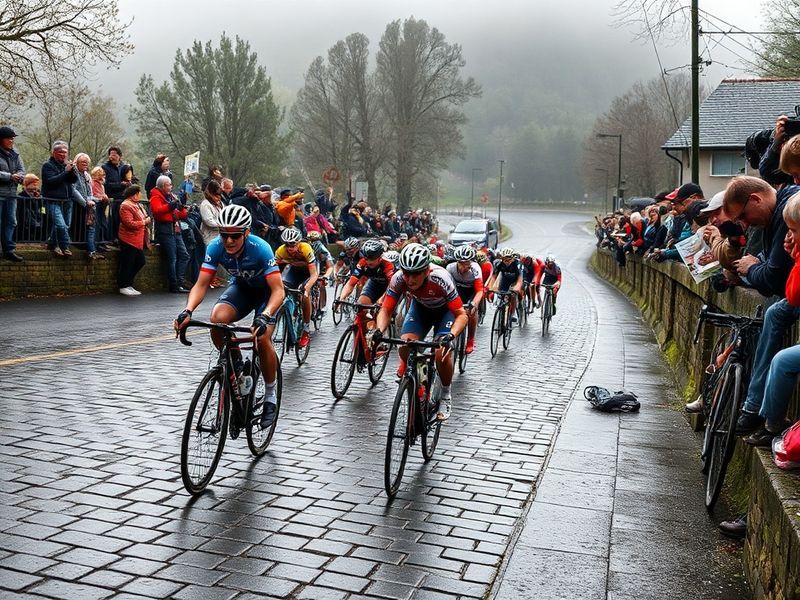
- Weather as a Factor: The Ardennes is notorious for its unpredictable weather. Rain, fog, and even snow can turn the race into a lottery, favoring riders who thrive in chaos.
- Sustainability Initiatives: The 2026 edition will test new measures to reduce the event’s environmental impact, from electric support vehicles to biodegradable packaging.
- Women’s Race Growth: The women’s Liège-Bastogne-Liège is rapidly gaining prestige, with a stronger field and increased media coverage expected in 2026.
- Fan Engagement: Organizers are introducing augmented reality features and interactive apps to enhance the spectator experience, blending tradition with digital innovation.
As April 26, 2026, approaches, the cycling world will turn its gaze to the Ardennes. Liège-Bastogne-Liège is more than a race; it’s a celebration of endurance, strategy, and the unbreakable spirit of competition. Whether you’re a lifelong fan or a casual observer, the 2026 edition offers a chance to witness history in the making—where the past and future of cycling collide on the slopes of Belgium’s most legendary climbs.
For those looking to dive deeper into the world of professional cycling, Dave’s Locker offers comprehensive coverage of the sport’s biggest events, from Grand Tours to Classics. Explore our archives for insights into the tactics, riders, and cultural impact of cycling’s most iconic races.