<!DOCTYPE html>
<html lang="en">
<head>
    <meta charset="UTF-8">
    <meta name="viewport" content="width=device-width, initial-scale=1.0">
    <title>Liege Bastogne Liege 2026: A Preview of Cycling’s Oldest Monument</title>
</head>
<body>
    <article>
        <h1>Liege Bastogne Liege 2026: What to Expect From Cycling’s Oldest Monument</h1>

        <p>Cycling’s spring classics season reaches its climax each April with the legendary Liege Bastogne Liege, a race that predates the Tour de France by over three decades. First held in 1892, the event—often called “La Doyenne” or “The Old Lady”—remains one of the most respected one-day races on the calendar. With the 2026 edition already generating anticipation, fans and pundits alike are speculating about the contenders, the route’s evolving challenges, and what broader trends in professional cycling might be on display.</p>

        <h2>The Route: Tradition Meets Modern Challenge</h2>

        <p>The 2026 race will follow the same 250–260 km trajectory from Liège to Bastogne and back, traversing the rugged terrain of the Ardennes. This year’s edition, however, is expected to introduce subtle but meaningful changes to the final 70 km, where the most decisive attacks typically occur. Organizers have hinted at reconfiguring the placement of legendary climbs like the Stockeu, La Redoute, and Roche-aux-Faucons—ascents that have decided races through sheer attrition and explosive power.</p>

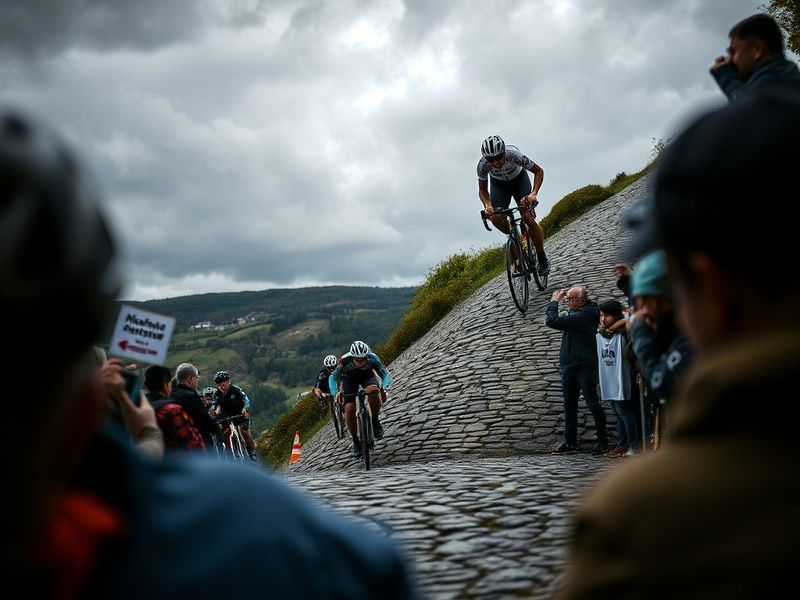
        <p>These climbs are more than just obstacles; they are characters in their own right. The Stockeu, with its steep ramps and sharp turns, favors punchy riders who can accelerate out of the saddle. La Redoute, a 2.5 km climb averaging 8.4%, demands sustained power over a longer gradient. Roche-aux-Faucons, meanwhile, rises from the valley like a brutal finale, often separating the true contenders from the pretenders. Any reordering of these climbs could shift the balance between climbers and puncheurs, altering the tactical landscape.</p>

        <h3>Key Climbs in Liege Bastogne Liege 2026</h3>
        <ul>
            <li><strong>Stockeu (Côte de Stockeu)</strong> – A short, steep climb with a punchy rhythm, ideal for riders like Tom Pidcock or Tadej Pogačar.</li>
            <li><strong>La Redoute</strong> – The longest sustained climb, favoring riders with high lactate threshold endurance.</li>
            <li><strong>Côte de la Roche-en-Ardenne</strong> – A mid-race test that can disrupt the peloton early.</li>
            <li><strong>Roche-aux-Faucons</strong> – The final climb, often decisive, with gradients exceeding 10% in sections.</li>
            <li><strong>Mont-Theux</strong> – A rolling climb that may be added to keep the race dynamic.</li>
        </ul>

        <h2>Contenders and Storylines for 2026</h2>

        <p>The absence of defending champion Remco Evenepoel in 2026 opens the door for a new generation of stars. Jonas Vingegaard, fresh off his Tour de France dominance, will likely target the Ardennes as part of a strategic spring campaign. Mathieu van der Poel, already a monument specialist, will return in search of another classic victory, while Tadej Pogačar remains a threat whenever he races one-day events.</p>

        <p>But the race also offers a platform for emerging talents. Belgian riders like Maxim Van Gils and Cian Uijtdebroeks have shown flashes of brilliance in the Ardennes, and a home victory would be a career-defining moment. Meanwhile, teams like Soudal-QuickStep and Visma-Lease a Bike will aim to control the race from the front, using domestiques to grind down rivals before the final climbs.</p>

        <p>Beyond individual glory, Liege Bastogne Liege 2026 will reflect broader shifts in cycling. The rise of data-driven training and aerodynamic optimization has made riders more versatile than ever. Climbers now attack earlier, puncheurs recover faster, and even sprinters like Jasper Philipsen have podiumed in the Ardennes. This evolution means the 2026 race could be won by someone outside the traditional archetype—perhaps a rider with a mix of climbing and sprinting ability, able to time their final move to perfection.</p>

        <h2>Broader Implications: Why Liege Bastogne Liege Still Matters</h2>

        <p>In an era dominated by grand tours and multi-stage races, one-day monuments retain a unique cultural significance. They are tests of purity: no second chances, no team time trials to hide behind, just 260 km of suffering and strategy. Liege Bastogne Liege, in particular, embodies the soul of cycling—relentless climbing, tactical nuance, and a relentless battle against fatigue.</p>

        <p>The race also serves as a proving ground for future Grand Tour contenders. Many winners of Liege Bastogne Liege—including Eddy Merckx, Bernard Hinault, and Andy Schleck—have gone on to win the Tour de France. The Ardennes’ punishing climbs demand the same physiological traits as the high mountains of the Alps and Pyrenees: high VO2 max, strong climbing efficiency, and the mental resilience to suffer in silence.</p>

        <p>Moreover, the race’s location in the French-speaking region of Belgium adds a layer of local pride and economic impact. The towns of Bastogne and Liège transform for race day, with fans lining the roads in yellow, red, and black jerseys, waving flags, and cheering for their heroes. The event is as much a cultural festival as it is a sporting contest, drawing over 500,000 spectators annually.</p>

        <h2>The Fan Experience: Why the Ardennes Captivates</h2>

        <p>For fans, Liege Bastogne Liege is not just a race—it’s an experience. The unpredictability of the Ardennes terrain means anything can happen. Rain, wind, and late attacks have all played decisive roles in past editions. The 2019 race, for example, saw Jakob Fuglsang solo to victory in freezing conditions, while in 2022, Remco Evenepoel won in style after dropping all rivals on Roche-aux-Faucons.</p>

        <p>The 2026 edition promises to deliver another unforgettable spectacle. With improved broadcast coverage and social media integration, fans worldwide will have front-row seats to the drama. Whether it’s a breakaway surviving against the odds or a late-race attack that shatters the peloton, the Old Lady of cycling will once again remind us why it endures.</p>

        <p>For those planning to attend, the best viewing spots are along the final 30 km, particularly near the Roche-aux-Faucons. Arrive early, bring warm layers, and prepare for a day of pure cycling theater.</p>

        <p>As the countdown to April 2026 begins, one thing is certain: Liege Bastogne Liege will once again cement its place as the ultimate test of a cyclist’s character. Whether you’re a seasoned fan or a casual observer, this race offers something rare in modern sport—a moment where tradition, drama, and human endurance collide in spectacular fashion.</p>
    </article>

    <aside>
        <p><a href="https://www.daveslocker.net/category/trending/">Trending on Dave’s Locker</a> | <a href="https://www.daveslocker.net/category/sports/">Sports Coverage</a></p>
    </aside>

    <!-- Metadata Section -->
    <div style="display: none;">