Long Island Ducks: A Global Culinary Legacy from Local Farms
“`html
The Global Journey of Long Island Ducks: From Local Farms to International Tables
The Long Island duck farming tradition stretches back to the mid-19th century, when German immigrants settled in the region’s fertile lands. These settlers brought with them waterfowl-rearing techniques that would eventually shape one of America’s most distinctive agricultural identities. Today, Long Island’s duck industry—centered largely in Suffolk County—produces millions of birds annually, supplying not just local markets but also restaurants and homes across the United States and beyond.
But the influence of Long Island ducks extends far beyond regional borders. From haute cuisine in Paris to street food stalls in Seoul, their rich, flavorful meat has earned a place in global culinary traditions. This journey from farm to table reflects a broader story of adaptation, innovation, and cultural exchange—one where a regional specialty becomes a global phenomenon through taste, technique, and trade.
The Roots of Long Island Duck Farming
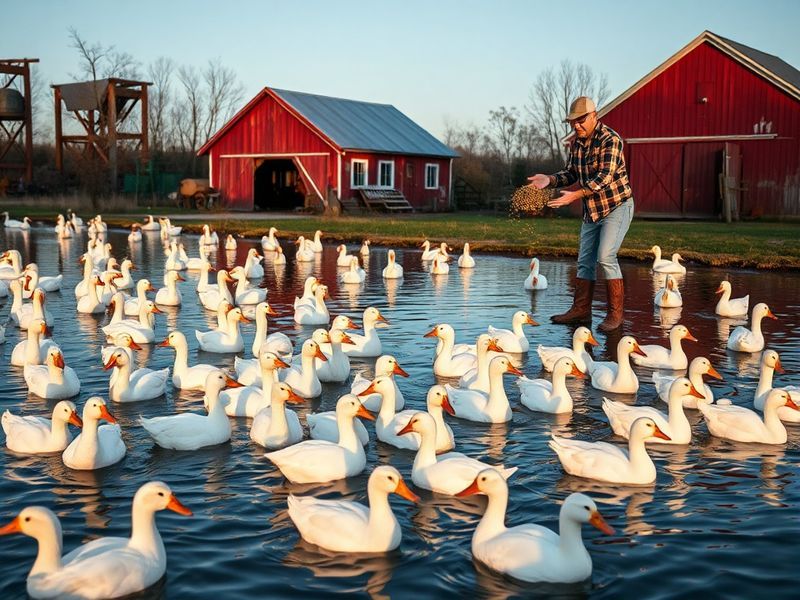
The story of Long Island ducks begins in the 1850s, when German immigrants arrived in what is now known as Suffolk County. They established small family farms in areas like Riverhead and Flanders, where the climate and abundant water supply were ideal for raising waterfowl. Unlike chicken farming, duck rearing required access to ponds or streams, and Long Island’s geography provided the perfect setting.
By the early 20th century, duck farming had evolved into a major industry. The arrival of the Long Island Rail Road in the late 1800s made it easier to transport live ducks and processed meat to New York City markets. This proximity to urban centers fueled growth, transforming duck farming from a backyard activity into a commercial enterprise. By the 1950s, Suffolk County was producing nearly 90% of the nation’s ducks, a title it still holds today.
What began as a niche agricultural practice rooted in immigrant tradition has grown into a $20 million annual industry. The farms that once operated as family businesses now employ modern techniques, including controlled feeding systems and biosecurity measures, to meet global demand without compromising quality.
A Taste of Tradition: Why Long Island Ducks Stand Out
Long Island ducks are prized for their distinctive flavor and texture. Unlike mass-produced poultry, these ducks are typically raised on open pastures, allowed to forage naturally, and fed a diet rich in corn and soy. This results in meat that is darker, juicier, and more flavorful than standard chicken or turkey—especially when roasted or braised.
The duck’s skin, too, plays a key role in its appeal. When properly rendered, it becomes crispy and golden, a hallmark of dishes like Peking duck and confit. In fact, many chefs argue that Long Island ducks come closest to the ideal standard for duck meat outside of traditional Asian or European sources.
Several factors contribute to their reputation:
- Breed selection: Long Island farms primarily raise Muscovy and Pekin ducks, both known for their size and flavor.
- Natural diet: Many farms avoid artificial growth hormones and antibiotics, emphasizing organic or locally sourced feed.
- Artisanal processing: Small-scale operations often process ducks by hand, ensuring careful handling and minimal waste.
This commitment to quality has earned Long Island ducks a reputation among food enthusiasts, from home cooks to Michelin-starred chefs. It’s a testament to how regional identity can shape global taste.
The Global Reach of Long Island Ducks
Long Island duck meat may originate in rural New York, but its journey doesn’t end at American dinner tables. Through trade, migration, and culinary innovation, these ducks have become part of food cultures around the world.
In France, duck confit—slow-cooked duck leg preserved in its own fat—is a staple of regional cuisine. While French producers use local breeds like the Mulard duck, many chefs source Long Island ducks for their superior fat content and rich flavor. Similarly, in China, where Peking duck is a national treasure, some high-end restaurants import Long Island Pekin ducks to achieve the perfect balance of tenderness and crispness.
Even in unexpected places, Long Island ducks have found a home. In Japan, specialty butchers import frozen duck meat to meet demand for yakitori and hot pot dishes. In the UK, food festivals celebrate Long Island duck burgers and duck sausage, introducing British palates to a new protein source. This global presence highlights how a regional product can transcend borders when its quality becomes widely recognized.
Exporting Long Island ducks, however, is not without challenges. Transportation logistics, import regulations, and cultural preferences all play a role in shaping where and how these ducks are sold. Yet, despite these hurdles, the industry has adapted by forming partnerships with international distributors and investing in frozen and processed product lines.
Challenges and the Future of the Industry
Despite its success, the Long Island duck industry faces ongoing challenges. Rising labor costs, competition from cheaper imports, and environmental concerns—such as water pollution from farm runoff—threaten the sustainability of traditional duck farming.
In response, many farms are adopting sustainable practices, such as using manure-to-energy systems and planting cover crops to reduce runoff. Others are diversifying their products, offering duck bacon, sausages, and even foie gras alongside whole birds. These innovations help secure the industry’s future while staying true to its heritage.
The COVID-19 pandemic also disrupted supply chains, forcing farms to pivot to direct-to-consumer sales and online orders. This shift not only kept businesses afloat but also introduced Long Island ducks to a new generation of home cooks who value locally sourced, high-quality meat.
Looking ahead, the Long Island duck industry appears poised for growth, especially as global interest in specialty poultry increases. With chefs, food bloggers, and consumers alike seeking unique flavors and ethical sourcing, Long Island’s ducks are well-positioned to remain a global favorite.
From Farm to Table: How to Enjoy Long Island Ducks
For those inspired to taste Long Island duck, there are several ways to bring it to the table. Many farms offer direct sales, either at farm stands or through online shops. Major grocery chains and specialty butchers also carry Long Island duck products, particularly during the holiday season.
When cooking with Long Island duck, consider these classic preparations:
- Roast duck with orange glaze: Score the skin, roast until crispy, and baste with a sweet-tart orange sauce.
- Duck confit: Slow-cook duck legs in their own fat until tender, then crisp the skin under a broiler.
- Duck breast salad: Sear sliced duck breast and serve over greens with pomegranate seeds and balsamic vinaigrette.
- Duck ramen: Simmer duck bones for a rich broth, then add noodles, vegetables, and pulled duck meat.
Whether you’re a seasoned chef or a curious home cook, Long Island ducks offer a versatile and flavorful protein that connects tradition with innovation.
The story of Long Island ducks is more than just an agricultural tale—it’s a story of cultural exchange, culinary evolution, and the enduring power of regional identity. From the fields of Suffolk County to dinner plates across the globe, these ducks carry a legacy of craftsmanship and flavor that continues to captivate food lovers everywhere.