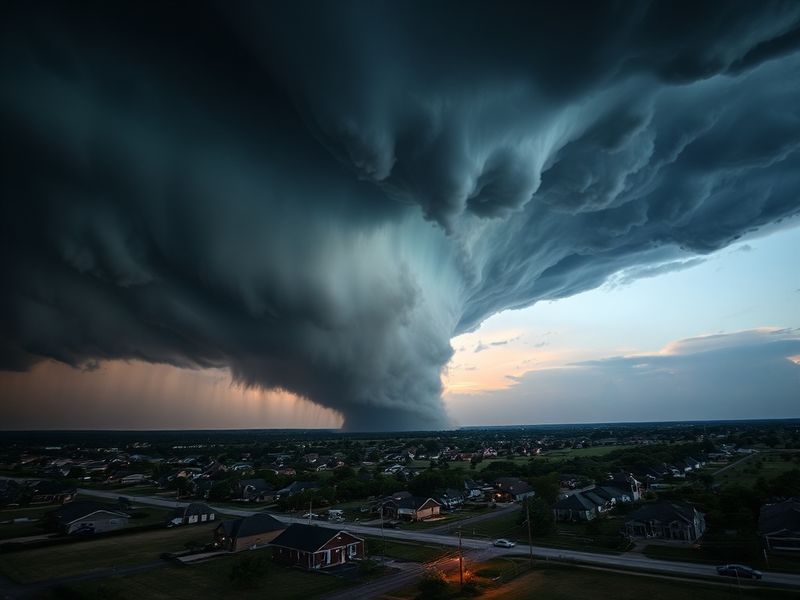
The National Weather Service has issued a tornado warning for parts of North Texas, prompting residents to take immediate precautions. The alert, which covers areas including Dallas, Tarrant, and Collin counties, comes as severe thunderstorms move through the region. Meteorologists warn that conditions are favorable for tornado formation, with potential for damaging winds and large hail.
Local emergency management officials urge residents to stay alert and follow safety protocols. Schools in affected districts have canceled outdoor activities, and some businesses have temporarily closed. The warning highlights the importance of preparedness in a state where severe weather is not uncommon but always unpredictable.
Understanding the Tornado Warning
A tornado warning means that a tornado has been sighted or indicated by weather radar. Unlike a tornado watch—which signals that conditions are favorable for tornadoes—this warning requires immediate action. The National Weather Service issued the alert after detecting rotation in thunderstorm cells moving through North Texas at speeds of 30-40 mph.
Residents in the warned areas should seek shelter immediately. The most dangerous part of a tornado is not just the wind, but the flying debris it can propel at high speeds. Basements and interior rooms on the lowest floor of a building are the safest options. If no basement is available, a closet or bathroom without windows is the next best choice.
Emergency alerts have been sent to mobile phones in the affected counties, and local news stations are broadcasting continuous updates. The warning is in effect until 9:00 PM, but meteorologists caution that the threat could extend longer if the storms persist.
Key Areas Affected
- Dallas County: Central and northern areas under the highest risk.
- Tarrant County: Fort Worth and surrounding suburbs included in the warning.
- Collin County: Cities like Plano and McKinney advised to take cover.
- Denton County: Some northern townships included in the alert.
Officials have also warned of possible flash flooding due to heavy rainfall accompanying the storms. Residents in low-lying areas should be prepared to move to higher ground if necessary.
How North Texas Responds to Severe Weather
North Texas is no stranger to severe weather, particularly during spring and early summer. The region sits in “Tornado Alley,” a stretch of the central U.S. known for frequent tornado activity. In 2019, a series of tornadoes tore through Dallas-Fort Worth, causing widespread damage and power outages. The memory of those storms has heightened awareness among residents, many of whom now keep emergency kits stocked with water, non-perishable food, and first-aid supplies.
Local meteorologists have been emphasizing the importance of having multiple ways to receive weather alerts. While sirens are still used in many cities, they are not always audible indoors or in vehicles. Weather apps, NOAA radios, and emergency alert systems on smartphones are critical tools for staying informed. The city of Dallas, for example, has invested in an emergency notification system that sends real-time updates to residents who sign up.
Community response teams, including the North Texas Emergency Alert Network, have been activated to coordinate relief efforts if needed. These teams work with local fire departments, law enforcement, and volunteer organizations to ensure a swift response in the event of damage or injuries.
Safety Measures and Long-Term Preparedness
While the immediate focus is on staying safe during the warning, experts also stress the importance of long-term preparedness. Homeowners are advised to secure outdoor furniture, reinforce garage doors, and trim trees that could become projectiles in high winds. Renters should familiarize themselves with their building’s shelter locations and emergency exits.
For those who live in mobile homes or manufactured housing, which are particularly vulnerable in tornadoes, authorities recommend identifying nearby sturdy buildings—such as community centers or schools—that can serve as shelters. Many counties in North Texas have designated storm shelters open to the public during severe weather events.
After the storms pass, residents should remain cautious. Downed power lines may still be live, and gas leaks could pose additional risks. It’s also important to document any damage for insurance purposes before beginning cleanup. The Federal Emergency Management Agency (FEMA) offers resources for those affected by natural disasters, including grants and low-interest loans.
What Comes Next?
The current tornado warning is part of a larger pattern of severe weather affecting the southern Plains. Meteorologists predict that the storms could intensify as they move eastward, potentially impacting Louisiana and Arkansas later in the week. For North Texas, the immediate concern is getting through the next few hours safely.
As the sun sets, emergency crews will remain on high alert, ready to respond to any incidents. Local news outlets will continue providing live coverage, and social media platforms will be filled with real-time updates from residents and officials alike. The tornado warning serves as a reminder of the power of nature—and the importance of being prepared.
For more information on severe weather preparedness, visit the Dave’s Locker News section for ongoing updates and safety tips.
Residents are encouraged to stay informed, stay safe, and look out for one another during this challenging weather event. The storms will pass, but the lessons learned in preparation and response will last long after.