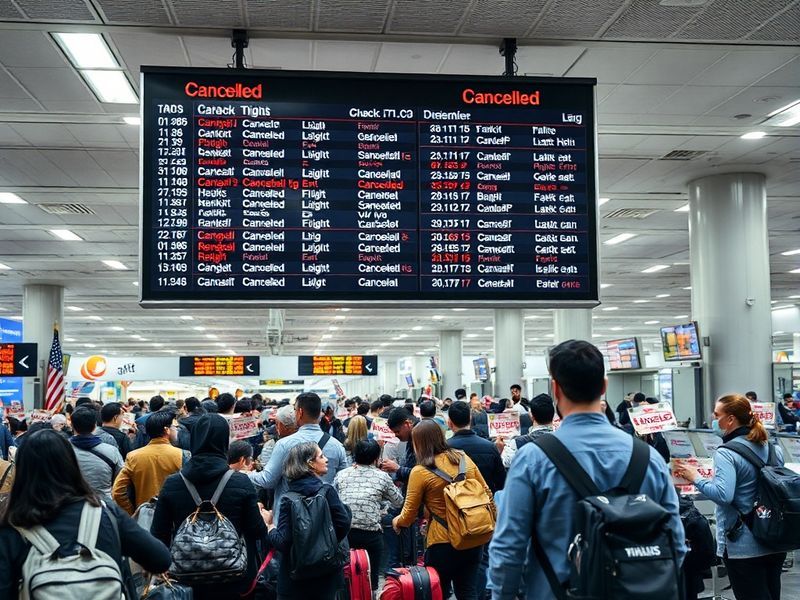
Turkish Airlines has recently faced significant disruptions due to a wave of flight cancellations, leaving thousands of passengers stranded and raising concerns about airline operations and customer service. The cancellations, which have affected domestic and international routes, stem from a combination of technical issues, staffing shortages, and operational challenges that have tested the airline’s resilience.
The situation has drawn widespread attention, not only because of the immediate inconvenience to travelers but also due to the broader implications for the aviation industry. As one of the world’s largest carriers, Turkish Airlines plays a critical role in connecting continents, and any disruption in its operations can have far-reaching consequences for global travel.
What Led to the Cancellations?
The cancellations began after a series of technical malfunctions in the airline’s booking and dispatch systems. These issues, which first surfaced in early July, disrupted flight schedules and forced the airline to ground multiple aircraft. While Turkish Airlines worked to restore normal operations, the process has been slower than anticipated, leaving many passengers frustrated.
Staffing shortages have also contributed to the problem. The airline has faced challenges in recruiting and retaining ground crew and pilots, a trend seen across the aviation sector post-pandemic. High turnover rates and training delays have exacerbated the operational strain, making it difficult to maintain regular flight schedules.
Additionally, external factors such as extreme weather conditions and air traffic control restrictions in key hubs like Istanbul have further complicated recovery efforts. Together, these issues have created a perfect storm of disruptions that have left both passengers and the airline scrambling for solutions.
Impact on Passengers and Industry
The cancellations have left passengers in difficult situations, with many stranded at airports or forced to rebook last-minute flights at significantly higher costs. Social media has been flooded with complaints from travelers who describe long waits, poor communication, and lack of compensation for the inconvenience. These frustrations highlight the vulnerabilities in airline customer service protocols when faced with widespread disruptions.
The broader aviation industry is also watching closely. Turkish Airlines is a major player in global air travel, with Istanbul Airport serving as a critical transit point between Europe, Asia, and Africa. Prolonged disruptions could lead to a domino effect, affecting connecting flights and cargo operations worldwide. Airlines and industry analysts are questioning whether Turkish Airlines’ operational resilience is sufficient to handle such challenges in an increasingly competitive market.
For business travelers and tourists alike, reliability is a key factor in choosing an airline. If Turkish Airlines fails to restore confidence quickly, it risks losing market share to competitors offering more consistent service. The cancellations have already prompted some corporate travel programs to reconsider their partnerships with the airline, signaling potential long-term consequences.
How Turkish Airlines is Responding
In response to the cancellations, Turkish Airlines has implemented several measures to mitigate the impact. The airline has increased staffing levels, accelerated training programs for new hires, and deployed backup aircraft to cover canceled flights. It has also enhanced communication with passengers through updated app notifications and dedicated customer service hotlines.
However, recovery has been uneven. While some routes have returned to normal, others remain affected by lingering technical issues or staffing gaps. The airline has apologized for the inconvenience and offered partial refunds or rebooking options to affected passengers, though many argue these measures fall short of addressing the scale of the problem.
Looking ahead, Turkish Airlines faces a critical period. Restoring operational stability will require not only addressing immediate technical and staffing issues but also rebuilding passenger trust. The airline must demonstrate that it can handle disruptions more effectively in the future, whether through improved contingency planning, investment in technology, or better workforce management.
Lessons for the Aviation Industry
The Turkish Airlines cancellations offer several key takeaways for the broader aviation sector. First, the incident underscores the fragility of airline operations in the face of technical failures and staffing shortages. Airlines must prioritize redundancy in systems and workforce planning to avoid similar crises.
Second, the situation highlights the importance of transparent communication during disruptions. Passengers today expect real-time updates and clear explanations for delays or cancellations. Airlines that fail to meet these expectations risk damaging their reputation and losing customer loyalty.
Lastly, the cancellations serve as a reminder of the interconnected nature of global air travel. A disruption in one part of the world can quickly ripple across continents, affecting airlines, airports, and travelers alike. This reality calls for greater collaboration among industry stakeholders to develop standardized protocols for handling disruptions.
For passengers, the lesson is clear: flexibility and patience are essential when booking flights with airlines operating in high-traffic or resource-constrained environments. Travel insurance and alternative booking options can provide valuable safeguards against unforeseen disruptions.
Key Takeaways from the Turkish Airlines Cancellations
- Technical failures in booking and dispatch systems triggered the initial cancellations.
- Staffing shortages have compounded operational challenges, particularly in ground crew and pilot roles.
- Passenger impact includes stranded travelers, financial losses, and frustration over poor communication.
- Industry-wide implications could affect global travel networks if disruptions persist.
- Recovery efforts involve staffing increases, backup aircraft, and improved customer service protocols.
A Call for Industry-Wide Improvements
The Turkish Airlines cancellations are more than just a temporary setback—they are a wake-up call for an industry still grappling with the aftermath of the pandemic. Airlines must invest in robust operational frameworks that can withstand technical glitches, workforce shortages, and external shocks like extreme weather.
For passengers, the incident reinforces the need to plan ahead and consider travel insurance. Airlines, in turn, must prioritize transparency and accountability to rebuild trust. As the aviation industry continues to evolve, the ability to adapt and innovate will determine which carriers emerge stronger from such challenges.
Turkish Airlines has the opportunity to turn this crisis into a turning point. By addressing its operational vulnerabilities and restoring passenger confidence, it can set a new standard for reliability in global air travel. The coming weeks will be critical in determining whether the airline can rise to the occasion.
For now, passengers are left hoping for smoother skies ahead—and airlines everywhere are taking notes.
For more on airline travel trends, visit our Travel and News sections.