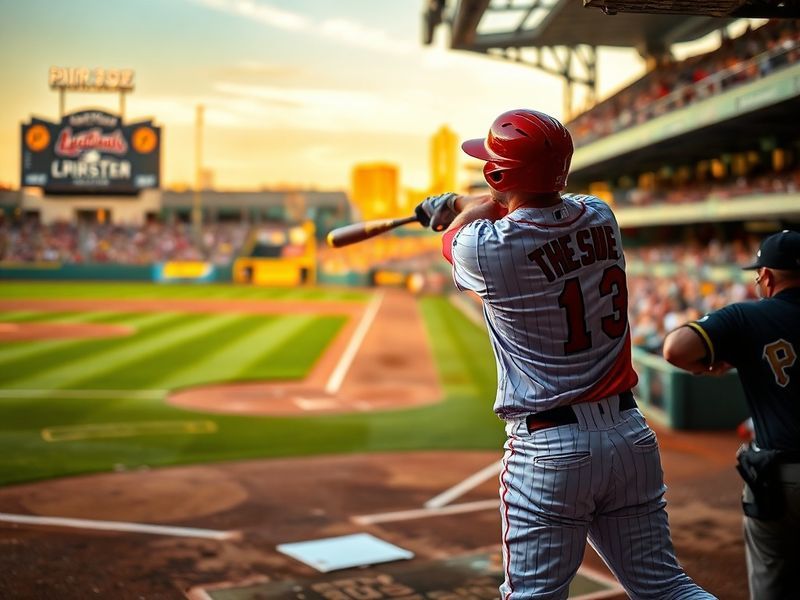
The Cardinals and Pirates have shared one of baseball’s most enduring rivalries since the late 19th century. What began as a regional clash in the industrial heartland of America evolved into a global spectacle watched by millions. This rivalry transcends wins and losses—it reflects cultural shifts, economic changes, and the global expansion of sports.
The St. Louis Cardinals, often called “the Redbirds,” have long been a powerhouse in Major League Baseball (MLB), while the Pittsburgh Pirates, once among the original National League teams, have experienced dramatic highs and lows. Their matchups are more than games; they are narratives of pride, resilience, and tradition.
The Origins of the Rivalry: More Than Just Baseball
The Cardinals-Pirates rivalry traces its roots to 1892, when both teams joined the National League. At a time when baseball was becoming America’s pastime, these two clubs from industrial cities—St. Louis as a gateway to the West and Pittsburgh as a steel titan—naturally developed a competitive edge.
In the early 20th century, the Pirates dominated the National League, winning their first World Series in 1909. The Cardinals, meanwhile, were building a reputation for resilience. Their 1926 World Series title marked the beginning of a new era, one that would see the Redbirds become a dynasty.
By the 1930s, the rivalry had grown fierce. Both teams featured Hall of Fame talent, including Pirates legend Pie Traynor and Cardinals icon Dizzy Dean. Their duels drew strong fan bases from working-class neighborhoods, where baseball was more than a sport—it was identity.
Cultural and Economic Reflections
This rivalry mirrors broader changes in American society. In the mid-20th century, both cities were industrial hubs. The Pirates represented Pittsburgh’s blue-collar spirit, while the Cardinals embodied St. Louis’ role as a commercial and transportation center. Their games were social events, drawing crowds from factories, mines, and docks.
As deindustrialization reshaped the Rust Belt in the 1980s and 1990s, the Pirates struggled with financial constraints and attendance drops. The Cardinals, under the guidance of the Busch family and later the MLB-owned Pohl family, invested in their brand. Busch Stadium became a modern cathedral of baseball, while the Pirates played in a near-empty Three Rivers Stadium.
Yet, the Pirates’ 1990 and 1991 seasons—back-to-back division titles—brought unexpected hope. Their underdog story resonated globally, symbolizing the resilience of Rust Belt communities. Meanwhile, the Cardinals’ dominance in the 2000s and 2010s reinforced their status as a global brand, with stars like Albert Pujols and Yadier Molina becoming international icons.
Global Expansion: How the Rivalry Went Beyond U.S. Borders
While the rivalry began in the U.S., its influence has spread worldwide. MLB’s push to globalize the game has turned Cardinals-Pirates matchups into international events. In 2018, the Cardinals played the Pirates in London as part of MLB’s London Series, bringing the rivalry to a new audience.
Baseball’s growth in Asia, Europe, and Latin America has introduced this historic clash to new fans. In Japan, where baseball is a cultural institution, the Pirates and Cardinals are seen as representatives of American grit and tradition. Spanish-language broadcasts across Latin America feature these games, often with passionate commentary that highlights the emotional weight of the rivalry.
The Pirates’ 2013 season, despite a losing record, drew global attention due to Andrew McCutchen’s MVP performance. His charisma and skill made him a global ambassador for the team. Meanwhile, the Cardinals’ consistent success, especially during the Joe Torre era, cemented their reputation as baseball’s most consistent franchise.
Today, the rivalry is broadcast in over 200 countries. Social media amplifies every highlight, from dramatic walk-offs to managerial meltdowns. Fans from Cologne to Caracas debate lineups, trades, and managerial decisions, proving that baseball’s oldest rivalries can thrive in a digital world.
Key Moments in Cardinals-Pirates History
The rivalry has produced countless memorable moments. Here are some that stand out:
- 1960 Game 7: Bill Mazeroski’s walk-off home run in the World Series remains one of baseball’s most iconic moments. Though it was Pirates vs Yankees, the Cardinals had faced Pittsburgh earlier that season in a fierce pennant race.
- 1985 NLCS: The Cardinals and Dodgers met in a dramatic playoff series, but the Pirates’ 1990 division title reminded the baseball world of their potential.
- 2013 Wild Card: The Pirates made the playoffs for the first time in 21 years, sparking celebrations in Pittsburgh and inspiring a generation of fans.
- 2015 Series: The Cardinals swept the Pirates in a four-game set that featured a bench-clearing brawl and renewed intensity in the rivalry.
- 2022 Walk-Offs: Three consecutive extra-inning wins by the Cardinals in Pittsburgh showcased the modern rivalry’s unpredictability.
These moments, whether played in front of 50,000 fans or broadcast to millions online, reinforce the rivalry’s place in baseball lore.
The Rivalry’s Future: Tradition Meets Innovation
As baseball evolves, so does the Cardinals-Pirates rivalry. Analytics, player development, and global marketing have reshaped how teams approach the game. Yet, the core of the rivalry remains unchanged: pride, competition, and the love of the sport.
The Pirates’ recent investments in player development—culminating in stars like Ke’Bryan Hayes and Bryan Reynolds—have renewed their competitiveness. Meanwhile, the Cardinals continue to blend tradition with innovation, drafting talents like Nolan Arenado and Paul Goldschmidt while maintaining their core identity.
With MLB expanding to 30 teams and global audiences growing, the Cardinals-Pirates rivalry is poised to reach new heights. From youth leagues in the Dominican Republic to stadiums in Tokyo, the games between these two historic franchises are watched by a diverse, passionate audience.
One thing is certain: as long as baseball is played, the Cardinals and Pirates will continue their historic dance—one game, one season, one era at a time.
For fans old and new, the rivalry remains a bridge between the past and the future. It’s a reminder that in sports, as in life, the most enduring stories are those that connect generations.