Everton FC’s Legacy: From Founding Members to Modern Football
Everton Football Club, founded in 1878, stands as one of England’s most storied institutions. Originally named St. Domingo Football Club before adopting its current identity, the Toffees have played a pivotal role in shaping the sport’s early development. As a founding member of the Football League in 1888, Everton helped establish professional football’s infrastructure, setting a template for clubs worldwide.
The club’s early dominance in the late 19th and early 20th centuries reflected its ambition. Everton secured their first league title in 1891, just three years after the league’s inception, and added another in 1915. Their tenure at Anfield in 1892—before a dispute over rent led to a split and the formation of Liverpool FC—marked a defining chapter. The relocation to Goodison Park in 1892 provided a new home, though the rivalry with Liverpool would later define Merseyside football.
Everton’s influence extended beyond domestic success. The club became a global ambassador for English football, particularly during the 1980s, when manager Howard Kendall led them to two league titles and an FA Cup. Their European Cup Winners’ Cup triumph in 1985 cemented their reputation as a club capable of competing on the continental stage.
Cultural Impact: How Everton Became a Global Brand
Everton’s cultural footprint stretches far beyond Liverpool’s borders. The club’s blue and white striped jerseys are instantly recognizable, a visual shorthand for tradition and resilience. This global recognition has been cultivated through decades of consistent participation in top-flight football, even during periods of financial instability.
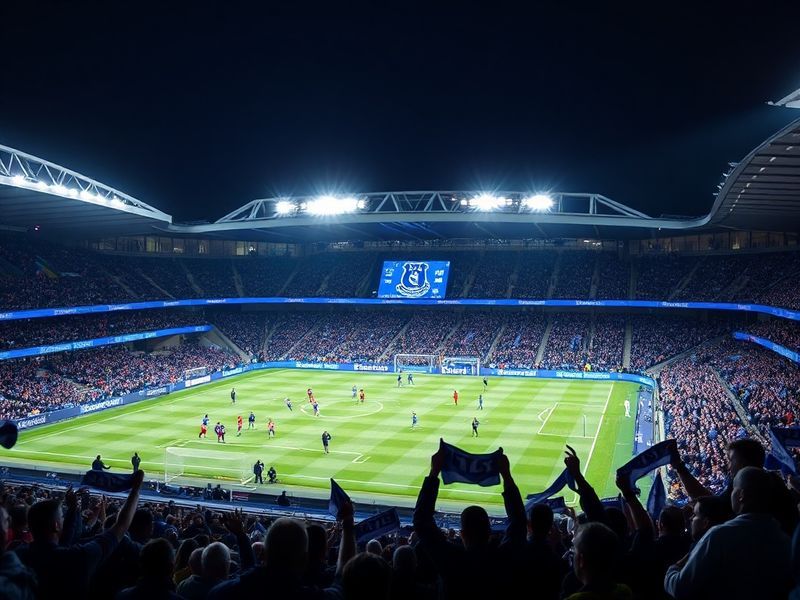
The club’s fanbase is a testament to its enduring appeal. Everton’s supporters, known for their passionate loyalty, hail from every corner of the globe. From Scandinavia to Southeast Asia, Everton’s international following has grown through strategic marketing and the club’s historic ties to the English-speaking world. The rise of digital media has further amplified this reach, with social media platforms allowing fans to engage directly with the club.
Everton’s cultural significance is also tied to its role in Liverpool’s identity. The city’s working-class roots and industrial heritage are mirrored in the club’s ethos. Unlike some of their more commercially driven rivals, Everton has maintained a connection to its local community, emphasizing youth development and accessibility. This approach has earned the club respect beyond trophies, fostering a sense of belonging among supporters.
Key Moments in Everton’s Global Influence
- 1985 European Cup Winners’ Cup: Kendall’s side defeated Rapid Vienna in Rotterdam, showcasing Everton’s ability to compete at the highest level.
- 1995 FA Cup: A dramatic 1-0 victory over Manchester United, with Paul Rideout’s header securing the trophy and cementing Everton’s place in Cup history.
- 2002 UEFA Champions League: Everton’s participation in Europe’s premier competition, though short-lived, highlighted their ambition and global ambition.
- 2017 Merseyside Derby: Romelu Lukaku’s brace in a 4-0 win over Liverpool underscored Everton’s capacity to disrupt rival ambitions.
Financial Challenges and the Push for Modernization
Despite its rich history, Everton has faced financial struggles in recent years. The club’s transition from Goodison Park to the new Everton Stadium at Bramley-Moore Dock represents more than a change of venue—it’s a bid to secure the club’s future. The stadium project, expected to cost over £500 million, aims to modernize Everton’s infrastructure and boost revenue streams.
Financial constraints have forced Everton to adopt a pragmatic approach to transfers. While big-money signings like Gylfi Sigurðsson and Richarlison have drawn criticism, the club’s focus on developing homegrown talent has remained a priority. The academy system, which produced Wayne Rooney and Ross Barkley, continues to be a cornerstone of Everton’s strategy.
Globalization has also influenced Everton’s business model. Sponsorship deals with companies like SportPesa and the club’s partnership with global brands have expanded its financial reach. However, navigating the complexities of modern football economics—where revenue disparities between clubs continue to grow—remains a challenge.
Everton’s Role in the Broader Football Landscape
Everton’s position in English football is unique. As one of only six clubs to have played every season in the top flight since 1956, they represent consistency in an era of financial volatility. This resilience has earned them a reputation as a “yo-yo club” among neutrals, though their recent struggles have sparked debates about their long-term competitiveness.
The club’s rivalry with Liverpool is one of football’s most intense, a clash of cultures and histories. While Liverpool’s recent successes under Jürgen Klopp have overshadowed Everton’s ambitions, the Merseyside derby remains a highlight of the Premier League calendar. These matches are more than just football—they’re cultural events, drawing global attention to the city of Liverpool.
Everton’s influence extends to the women’s game as well. Everton Women, competing in the Women’s Super League, have steadily improved under manager Chris Roberts. Their progress reflects the club’s commitment to gender equality in sport, a growing priority in global football.
Everton’s Global Fanbase: A Community United by Blue
Everton’s international fanbase is a diverse and vocal community. Supporters’ clubs exist in cities like New York, Dubai, and Tokyo, where local chapters organize watch parties and cultural events. The club’s official website and social media channels provide a platform for fans to engage, share opinions, and celebrate their shared identity.
This global network has also become a source of financial support. Crowdfunding campaigns, such as the one launched to help finance the new stadium, demonstrated the passion of Everton’s international fanbase. While such initiatives are not unique in modern football, Everton’s ability to mobilize its global community highlights the club’s unique appeal.
Everton’s story is one of tradition, resilience, and adaptation. In an era where football clubs are increasingly defined by commercial interests, Everton remains a club rooted in its community and history. As they embark on a new chapter at Bramley-Moore Dock, the Toffees carry with them the weight of their past and the hope of a brighter future.