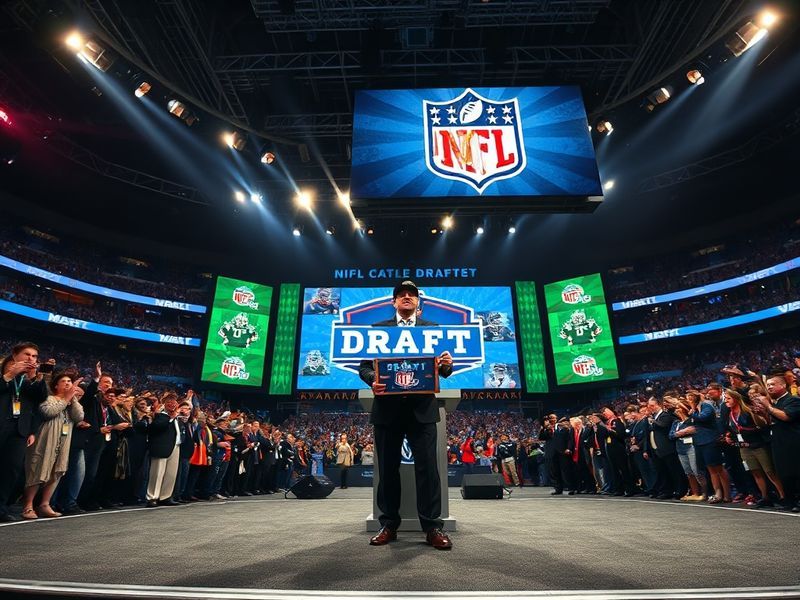
The NFL Draft is more than a three-day spectacle of trades, surprises, and celebratory phone calls. It’s the lifeblood of franchise rebuilding, a high-stakes negotiation where hope is traded for future performance. Every April, 32 teams place their bets on raw talent, projecting college stars into professional arenas where careers are made or broken in an instant.
For fans, the draft offers a rare moment of optimism. Even the worst teams enter the process with a clean slate, imagining a rookie class that will turn their fortunes around. For general managers and coaches, it’s a calculated risk—balancing need, value, and long-term vision. The draft isn’t just about filling positions; it’s about defining organizational identity and securing the foundation of success.
While the spotlight often falls on the first overall pick or the surprise late-round steal, the real story lies in how these selections ripple through the league. A well-executed draft can redefine a franchise for a decade. A misstep can set a team back years. Understanding the mechanics, trends, and consequences of draft picks reveals why this event remains the most consequential in professional sports.
The Role of Draft Picks in NFL Team Building
Draft picks are the currency of NFL strategy. Teams don’t just select players—they trade future picks, accumulate capital, and maneuver into positions of leverage. The draft is where franchises can reset, reload, or pivot entirely. A strong draft class can mask front-office missteps for years. Conversely, a string of poor selections can derail even the most storied organizations.
At its core, the draft is a talent distribution system designed to maintain competitive balance. The NFL’s structure—with its seven-round format and compensatory picks—ensures that even small-market teams have access to emerging stars. This system rewards smart drafting, not just spending. The New England Patriots under Bill Belichick became a dynasty not by spending lavishly in free agency, but by mastering the art of draft-day value.
Teams approach the draft with different philosophies. Some prioritize elite athletes with untapped potential. Others target position-specific needs, even if it means reaching for a player. The rise of analytics has shifted this balance, with front offices increasingly relying on data to identify undervalued prospects. Yet, the human element remains—gut instincts, character evaluations, and projection models all collide in the war room.
One of the most fascinating dynamics is the trade market. Teams move up, move back, or swap picks to position themselves for a player they covet. These transactions can shape draft narratives for years. A team that trades away next year’s first-rounder to secure a franchise quarterback may live with the consequences for decades.
Key Factors in Draft Pick Success
Not all draft picks are created equal. The difference between a franchise-changing selection and a wasted opportunity often comes down to preparation, context, and execution. Here are the critical elements that determine whether a pick becomes a star or a cautionary tale:
- Draft Position: Early picks carry higher expectations and greater scrutiny. The pressure on a first-rounder is immense—they’re expected to start immediately and deliver impact. Late-round picks, by contrast, often have more time to develop but less margin for error.
- Team Fit: A player’s success depends heavily on system alignment. A dominant edge rusher in a 4-3 scheme may struggle in a 3-4. Similarly, a zone-blocking offensive tackle might falter in a power-run scheme. Front offices must evaluate not just talent, but how it integrates into their existing structure.
- Character and Work Ethic: The NFL is as much about durability and attitude as it is about physical ability. Teams invest millions in players who can’t stay healthy or struggle with the demands of professional life. Character assessments—often conducted through private interviews and combine evaluations—are just as important as 40-yard dash times.
- Medical Evaluations: Injuries are the silent killer of draft dreams. A player with a history of knee or shoulder issues may see their draft stock plummet overnight. Teams conduct exhaustive medical exams to assess long-term risks, but surprises still occur.
- Developmental Timeline: Some players need time to refine their skills. A quarterback taken in the first round may sit for a year or two before earning the starting job. Teams must balance immediate needs with long-term potential, often making calculated bets on upside.
One of the most underrated factors is the organization’s culture. A player who thrives in a high-pressure, accountability-driven environment may falter in a more relaxed setting. The best front offices don’t just evaluate talent—they assess how a player will adapt to the locker room, coaching staff, and fan base.
Trends Shaping the Modern NFL Draft
The NFL Draft has evolved significantly over the past decade. The rise of data analytics, the proliferation of highlight reels, and the growing influence of social media have transformed how teams scout and select players. Here are the trends reshaping the process:
- Data-Driven Decision Making: Teams now rely on advanced metrics to identify undervalued players. Metrics like Pro Football Focus grades, college production ratios, and injury history models help front offices separate signal from noise. The Baltimore Ravens and Philadelphia Eagles are among the teams at the forefront of this movement.
- Positional Value Inflation: Certain positions—particularly quarterback, left tackle, and edge rusher—are valued at a premium. Teams are willing to trade up for these players, often sacrificing future draft capital. The 2023 draft saw multiple teams move up to secure their franchise QB, highlighting this trend.
- Combine and Pro Day Performance: The NFL Scouting Combine and college pro days have become must-watch events. While not perfect, these showcases provide measurable data that teams use to compare prospects. A strong combine performance can vault a player up draft boards overnight.
- The Rise of the “Day 3 Specialist”: Late-round picks are increasingly valued for specific roles—special teams ace, rotational pass rusher, or backup offensive lineman. Teams prioritize players who can contribute immediately in niche roles, even if they lack the flash of first-rounders.
- International Prospects: The NFL has expanded its scouting efforts globally, with players from Germany, Japan, and Mexico gaining attention. The 2023 draft saw the first Japanese-born player selected in the first round, signaling a shift toward a more global talent pool.
Another emerging trend is the use of technology in scouting. Teams employ virtual reality to simulate game scenarios, AI to analyze player tendencies, and biomechanical analysis to assess injury risks. The fusion of sports science and traditional scouting is creating a new frontier in player evaluation.
Yet, for all the innovation, the draft remains unpredictable. The NFL is a team sport, and individual talent doesn’t always translate to success. The best-laid plans can unravel in an instant—whether due to a player’s injury, a coaching change, or a system mismatch.
The Broader Impact of Draft Picks on the NFL
The consequences of draft picks extend far beyond individual careers. They shape the competitive landscape, influence free agency trends, and even affect league-wide parity. A team that drafts wisely can sustain success for years. A team that misses repeatedly may fall into a cycle of mediocrity, forcing costly overhauls in the future.
For smaller-market teams, the draft is a rare opportunity to compete. The Kansas City Chiefs’ dynasty under Patrick Mahomes began with a draft-day trade to move up and select him in 2017. The Tampa Bay Buccaneers’ Super Bowl victory in 2021 was built on a foundation of shrewd draft picks, including Tom Brady’s eventual successor, Kyle Trask.
On the flip side, poor draft capital can limit a franchise’s options. Teams that trade away future picks often find themselves painted into a corner, forced to overpay in free agency or gamble on unproven talent. The Cleveland Browns’ history of draft misfires—culminating in the infamous “Dre Kirkpatrick for Trent Richardson” trade—served as a cautionary tale for years.
The draft also influences player movement. High draft picks command lucrative contracts, creating a financial disparity between rookies and veterans. This dynamic has fueled debates about rookie wage scales and contract restructures. Meanwhile, undrafted free agents often become underrated contributors, proving that the draft isn’t the sole path to NFL success.
Beyond the field, the draft has cultural significance. It’s a moment where hope triumphs over hindsight. Fans tune in not to analyze losses, but to imagine the possibilities. For players, it’s the culmination of years of sacrifice—a chance to live out a childhood dream. For teams, it’s a high-stakes gamble with the potential to rewrite history.
The NFL Draft is more than a transactional event. It’s a narrative engine, a source of drama, and a testament to the league’s enduring appeal. In an era of salary caps and parity, the draft remains the great equalizer—a reminder that talent, preparation, and a little luck can change everything.
For those looking to dive deeper into the draft’s impact, explore our NFL coverage and in-depth analysis sections. Whether you’re tracking the next franchise quarterback or dissecting a blockbuster trade, the draft offers endless stories worth following.