How NFL Draft Picks Shape Team Futures and Draft Strategy
“`html
Draft Picks and the NFL Draft: How Teams Build for the Future
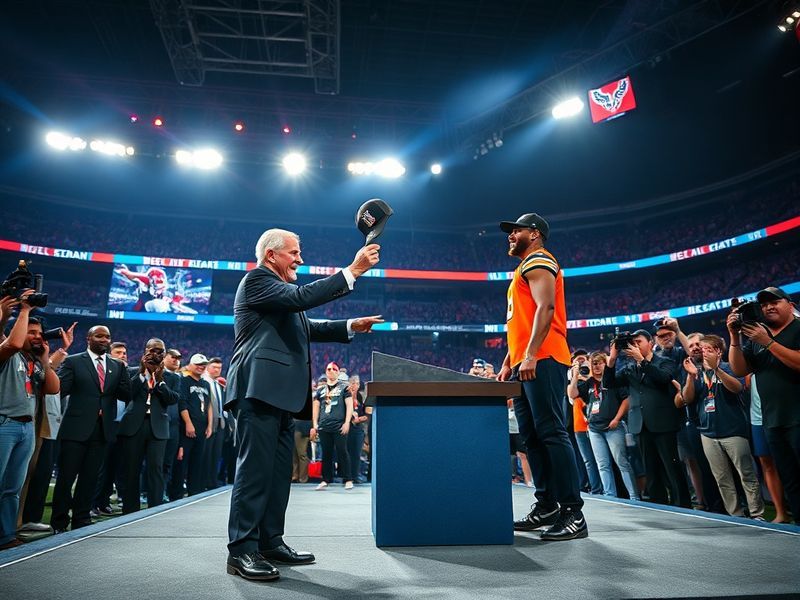
The NFL Draft is more than just an annual event—it’s a strategic chess match where teams invest in the future of their franchises. With millions of dollars and years of potential at stake, the decisions made during those three days in April can define careers, reshape organizations, and alter the competitive landscape of the league. The draft is where raw talent meets organizational vision, where rookies become instant stars or busts before they even step on the field.
The Structure of the NFL Draft: How Picks Are Determined
The NFL Draft consists of seven rounds, with each team receiving one pick per round based on their performance in the previous season. The worst teams pick first, while the Super Bowl champion picks last. This system is designed to promote competitive balance, though in recent years, teams have found ways to manipulate their draft position through trades and compensatory selections.
The draft order isn’t set in stone. Teams can trade up for higher picks, often surrendering future selections to secure a player they believe will have an immediate impact. The compensatory pick system also rewards teams that lose free agents by giving them extra draft picks in later rounds. These nuances make the draft a dynamic process where strategy extends far beyond the conference room.
For fans and analysts alike, the draft is a mix of data-driven decision-making and gut instinct. Scouts pore over game tape, medical reports, and combine performances to project a player’s potential. Meanwhile, front offices debate whether a player’s upside outweighs their risk. The result is a high-stakes negotiation where success is never guaranteed.
Key Factors in Draft Day Decisions
- Positional Need: Teams prioritize positions of greatest need, but sometimes reach for a player at a less critical spot due to perceived talent.
- Player Workouts and Interviews: The NFL Scouting Combine and individual visits provide teams with medical, psychological, and character evaluations.
- Trade Value: The league uses a “draft value chart” to assign numerical values to picks, allowing teams to exchange selections for optimal value.
- Organizational Philosophy: Some teams favor high-ceiling developmental players, while others prioritize “safe” prospects with proven track records.
- Marketability and Media Perception: Teams may consider a player’s marketability, especially when drafting quarterbacks who will face intense media scrutiny.
The Impact of Draft Picks on Team Success
Draft picks can make or break a franchise. The New England Patriots’ dynasty under Bill Belichick was built on shrewd drafting, particularly in the early rounds. Meanwhile, teams like the Jacksonville Jaguars have struggled despite high draft capital, proving that talent alone isn’t enough—development and coaching play crucial roles.
Quarterbacks, in particular, are the most scrutinized picks due to their high value. Teams invest heavily in franchise signal-callers, often trading multiple picks to move up for a perceived generational talent. The success rate of first-round quarterbacks is notoriously low, but the potential reward is so great that teams continue to chase the dream.
Beyond quarterbacks, offensive and defensive linemen are also premium positions. The NFL’s emphasis on pass protection and run-blocking means that elite linemen are often the difference between a good offense and a great one. On the defensive side, edge rushers and cornerbacks are highly sought after due to their ability to disrupt opposing offenses.
For teams in rebuild mode, the draft is an opportunity to accumulate assets. The Cleveland Browns, for example, leveraged multiple high picks to stockpile young talent, eventually translating that into playoff contention. The draft isn’t just about individual players—it’s about building a sustainable foundation.
Controversies and Challenges in the Draft Process
The NFL Draft isn’t without its controversies. One of the most persistent issues is the league’s handling of player injuries. Teams invest millions in prospects with injury histories, only to see those investments fail when the player can’t stay on the field. The combine’s medical evaluations are thorough, but they’re not foolproof.
Another challenge is the pressure on top picks to perform immediately. The “bust” label can haunt a player long after their college career ends. Some players thrive under the spotlight, while others crumble under expectations. The draft is as much about mental fortitude as it is about physical ability.
The league has also faced criticism for its handling of draft prospects from historically black colleges and universities (HBCUs). Scouts often overlook players from smaller programs in favor of those from Power Five conferences, despite evidence that talent can come from any background. This bias can lead to undervalued gems slipping through the cracks.
Notable Draft Day Controversies
- Ryan Leaf vs. Peyton Manning (1998): The San Diego Chargers famously chose Leaf over Manning, a decision that became one of the biggest busts in NFL history.
- JaMarcus Russell (2007): The Oakland Raiders selected Russell with the first overall pick, only for him to underperform and become a cautionary tale about overvaluing physical traits.
- Johnny Manziel’s Draft Decline (2014): Off-field concerns led to Manziel falling from a potential top-10 pick to the late first round, highlighting the league’s evolving priorities.
Looking Ahead: The Future of the NFL Draft
The NFL Draft is evolving. The league has experimented with virtual formats, expanded the draft to three days, and introduced new analytics tools to aid decision-making. The rise of player-tracking technology and advanced metrics has given teams unprecedented insights into prospects’ potential.
One trend that’s gaining traction is the emphasis on “athleticism over production.” Scouts are increasingly valuing measurables like speed, agility, and strength over traditional college production. This shift has led to debates about whether the NFL is becoming too focused on potential rather than proven results.
Another development is the growing influence of analytics in draft strategy. Teams are using data to identify undervalued positions and players who may outperform their draft slot. The Baltimore Ravens and Philadelphia Eagles have been pioneers in blending traditional scouting with advanced analytics.
The draft’s role in competitive balance is also being reexamined. The NFL’s recent emphasis on parity has led to rule changes and scheduling adjustments, but the draft remains a critical tool for weaker teams to rebuild. As the league continues to grow globally, the draft’s international appeal is also expanding, with more international players entering the pool.
How Teams Can Maximize Draft Value
To succeed in the draft, teams must balance short-term needs with long-term vision. Here are some strategies to maximize value:
- Prioritize Positional Value: Not all positions are created equal. Investing in a franchise quarterback or elite pass rusher can transform a team.
- Trade Down When Possible: Teams that trade down often gain additional picks, increasing the odds of finding hidden gems in later rounds.
- Focus on Character and Work Ethic: Talent is important, but players who are coachable and resilient often outperform their draft position.
- Leverage Analytics: Use data to identify undervalued players and trends that traditional scouting might overlook.
- Prepare for the Unexpected: Injuries and unexpected drops in the draft board can create opportunities for teams willing to adapt.
The NFL Draft is a blend of art and science, where instinct meets preparation. For the teams that get it right, the rewards can last for years. For those that don’t, the consequences can be felt for decades. As the league continues to evolve, the draft will remain a cornerstone of its competitive structure—and a source of endless debate for fans and analysts alike.
For more insights into NFL strategy and player evaluations, explore our Sports and Analysis sections on Dave’s Locker.