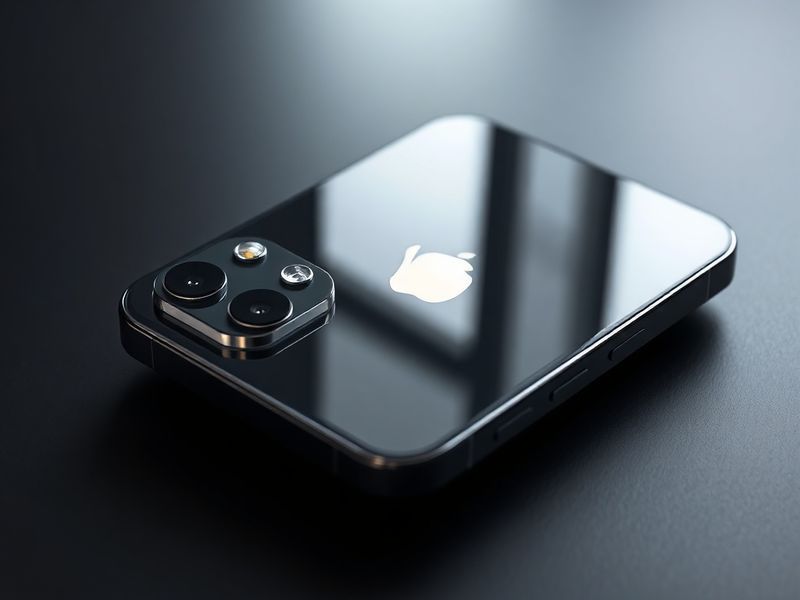
Speculation surrounding Apple’s next-generation iPhone continues to intensify as industry insiders and analysts piece together clues about the rumored Ultra model. While Apple has not officially confirmed any details, leaked schematics, supply chain reports, and regulatory filings suggest a device that could redefine smartphone engineering.
The Evolution of the iPhone Lineup: Why an Ultra Model Makes Sense
Apple’s iPhone lineup has traditionally followed a tiered structure: standard, Plus, Pro, and Pro Max. The introduction of an Ultra variant would represent a significant expansion, signaling Apple’s intent to compete more aggressively in the premium segment. This move aligns with trends in the smartphone industry, where brands like Samsung and Sony have successfully marketed “Ultra” editions with cutting-edge features such as advanced camera systems and larger displays.
The Ultra designation implies a device that pushes boundaries beyond the Pro Max, potentially incorporating materials and technologies not yet seen in consumer smartphones. Industry analysts suggest that Apple may leverage the Ultra model to experiment with new manufacturing processes, such as titanium frames or ceramic shielding, which could enhance durability and thermal performance.
Key Rumored Features of the iPhone Ultra
While details remain scarce, several credible leaks have painted a picture of what the iPhone Ultra might include:
- Advanced Camera System: Reports indicate a periscope zoom lens capable of 10x optical magnification, alongside a larger main sensor with improved low-light performance.
- Larger Display: Unverified claims point to a 6.9-inch OLED panel with ProMotion technology, offering smoother scrolling and enhanced brightness for outdoor visibility.
- Enhanced Durability: Leaked case designs suggest a more robust frame, possibly using aerospace-grade titanium, and reinforced corners for drop resistance.
- Exclusive Processor: Rumors suggest the Ultra may feature a custom A17X chip, optimized for AI-driven photography and real-time ray tracing in mobile gaming.
- Battery Innovation: Analyst Ming-Chi Kuo has hinted at a “significantly larger” battery capacity, potentially exceeding the Pro Max’s 4,352 mAh, enabling all-day usage even with intensive workloads.
The Broader Implications for Apple and the Smartphone Market
If Apple proceeds with the iPhone Ultra, it could have several strategic implications. First, it would create a clear separation between the Pro and Ultra tiers, allowing Apple to target different consumer segments. The Ultra could appeal to professionals, content creators, and tech enthusiasts willing to pay a premium for top-tier performance and exclusivity.
Second, the Ultra model might help Apple maintain its lead in the premium smartphone market, where competitors are rapidly advancing in areas like camera technology and display innovation. By introducing a device that sets new benchmarks, Apple could reinforce its reputation for engineering excellence.
Finally, the Ultra could serve as a testing ground for technologies that may eventually trickle down to the standard iPhone models. Apple has a history of debuting breakthrough features in its flagship devices before making them more accessible. For example, the ProMotion display and LiDAR sensor first appeared in the Pro models before becoming more widely adopted.
What Consumers Should Watch For
For potential buyers, the iPhone Ultra represents an opportunity to invest in a device that could remain relevant for years. However, several factors will determine whether it lives up to expectations:
- Price Point: Given its rumored specifications, the iPhone Ultra will likely be the most expensive iPhone to date, potentially exceeding $1,500. Consumers will need to weigh whether the premium features justify the cost.
- Real-World Performance: Leaked benchmarks and hands-on tests will be critical in assessing whether the A17X chip and other components deliver the promised advancements.
- Software and Ecosystem Integration: Apple’s strength lies in its seamless integration of hardware and software. The Ultra will need to demonstrate how its features enhance the iOS experience, particularly in areas like augmented reality and computational photography.
- Sustainability Considerations: With growing scrutiny over electronic waste, Apple may face pressure to ensure the Ultra is repairable and uses recycled materials. The company has made strides in sustainability, but the Ultra’s complexity could pose challenges.
Conclusion: A Bold Step Forward or an Unnecessary Gamble?
The iPhone Ultra represents Apple’s boldest attempt yet to redefine its flagship lineup. By introducing a model that pushes the limits of smartphone engineering, Apple is signaling its confidence in the premium market. However, the success of the Ultra will depend not just on its specifications, but on how well it meets the needs of consumers who demand more from their devices.
For now, the iPhone Ultra remains shrouded in mystery, with only fragments of information available. Yet, the anticipation surrounding its release underscores Apple’s enduring ability to captivate the tech world. Whether it becomes a must-have device or a niche product will depend on the execution of its rumored features and Apple’s ability to deliver a truly groundbreaking experience.
One thing is certain: the iPhone Ultra is poised to set a new standard for what a smartphone can achieve. As Apple continues to innovate, consumers and competitors alike will be watching closely to see if the Ultra lives up to the hype.
For more insights into Apple’s latest innovations, visit our Technology and News sections.