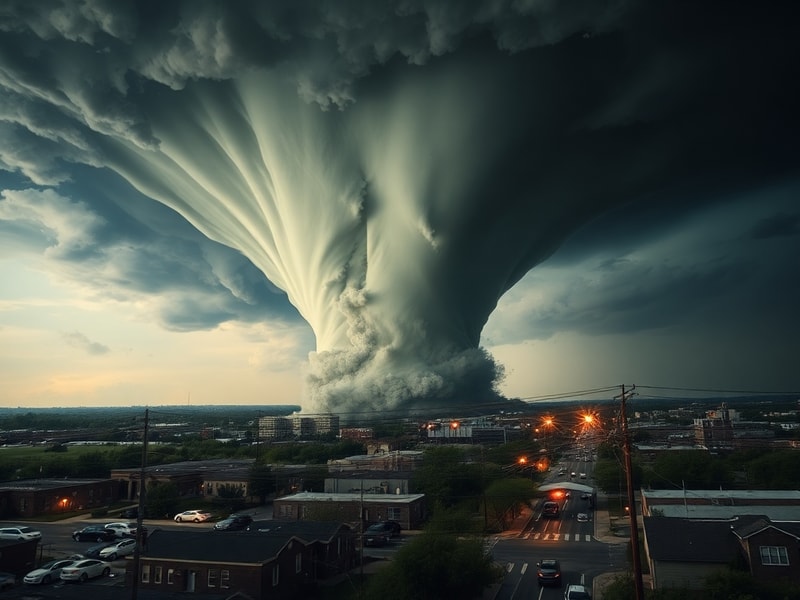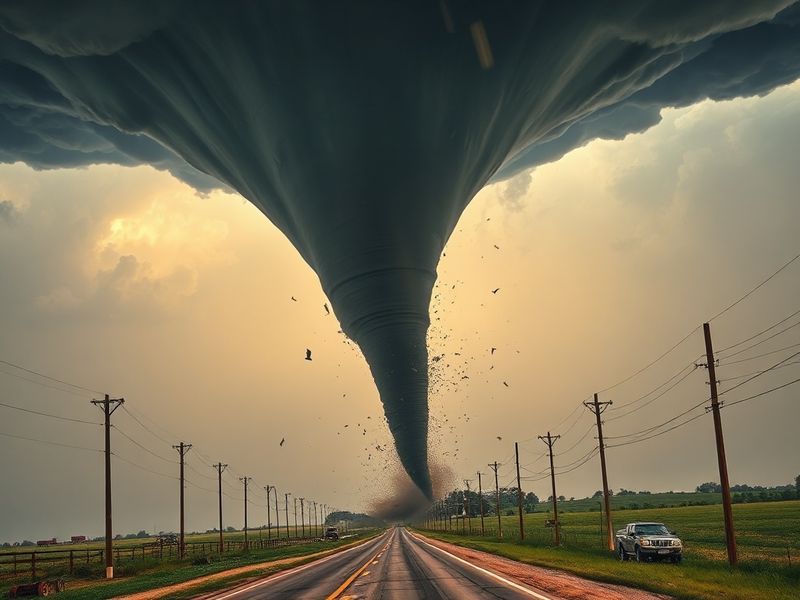
The National Weather Service (NWS) issues tornado warnings when a tornado has been sighted or indicated by radar. Among these warnings, a PDS Tornado Warning—short for Particularly Dangerous Situation—stands out as an extreme alert. This designation signals that a severe threat to life and property is imminent, requiring immediate action from those in the warned area.
PDS Tornado Warnings are rare but critical. They are reserved for the most dangerous tornado events, such as long-track, violent tornadoes capable of causing catastrophic damage. Understanding what a PDS Tornado Warning means and how to respond can make the difference between safety and serious harm during severe weather events.
What Is a PDS Tornado Warning?
A PDS Tornado Warning is an enhanced version of a standard tornado warning. While all tornado warnings aim to alert the public to immediate danger, PDS warnings are issued only when the threat reaches an exceptionally high level. The NWS uses this classification when radar data or visual confirmation indicates a tornado likely to produce severe to extreme damage, such as EF4 or EF5 tornadoes on the Enhanced Fujita Scale.
These warnings are not issued lightly. In fact, fewer than 1% of all tornado warnings become PDS warnings. They are typically reserved for tornadoes with a history of causing significant destruction or those with particularly strong radar signatures, such as debris balls or multiple-vortex formations.
The term “Particularly Dangerous Situation” was introduced in 2006 to help emergency managers, media, and the public recognize the highest level of tornado threat. The goal is to ensure that people in the path of such a storm understand the gravity of the situation and act quickly to protect themselves.
How PDS Tornado Warnings Differ from Regular Warnings
Not all tornado warnings are created equal. A standard tornado warning may indicate that a tornado is possible or occurring, but it does not carry the same level of urgency as a PDS warning. Here’s how they differ:
- Intensity: PDS warnings are issued when a tornado is likely to be violent (EF4/EF5), while regular warnings may involve weaker tornadoes (EF0-EF2).
- Duration: PDS tornadoes often have longer tracks, meaning they travel farther and affect more communities. This increases the potential for widespread devastation.
- Damage Potential: PDS warnings are associated with a higher likelihood of catastrophic damage to homes, businesses, and infrastructure.
- Communication: PDS warnings are emphasized in alerts from the NWS, local emergency management, and media to ensure maximum visibility and urgency.
For example, during the 2011 Super Outbreak, multiple PDS Tornado Warnings were issued for tornadoes like the one that devastated Hackleburg, Alabama. These warnings helped save lives by giving residents extra time to seek shelter before the storms arrived.
What to Do When a PDS Tornado Warning Is Issued
Receiving a PDS Tornado Warning is a moment to act immediately. Unlike a standard warning, this alert demands swift and decisive action. Here’s a step-by-step guide to staying safe:
- Seek Shelter Immediately: Move to a basement or an interior room on the lowest floor of a sturdy building. Avoid windows and stay away from exterior walls. If you’re in a mobile home, evacuate to a nearby shelter or designated tornado-safe structure.
- Cover Yourself: Use heavy furniture, a mattress, or blankets to shield yourself from flying debris. Helmets can protect your head, and sturdy shoes can help if you need to navigate debris afterward.
- Stay Informed: Keep a weather radio, smartphone alerts, or a battery-powered NOAA radio nearby to receive real-time updates. Do not rely solely on outdoor sirens, as they may not be audible indoors or in noisy environments.
- Wait for the All-Clear: Do not leave your shelter until the warning has expired or local officials confirm that the threat has passed. Even after the storm appears to have passed, dangerous conditions like downed power lines or unstable structures may still pose risks.
It’s also important to have a plan in place before severe weather strikes. Practice tornado drills with your family or household members so everyone knows where to go and what to do. Identify the safest room in your home or workplace—preferably a windowless interior room or basement—and keep emergency supplies, such as water, non-perishable food, a flashlight, and a first-aid kit, readily accessible.
Historical Examples of PDS Tornado Warnings
PDS Tornado Warnings have been issued during some of the most devastating tornado outbreaks in U.S. history. These events highlight the importance of the PDS designation in alerting the public to extreme danger. Here are a few notable examples:
- April 27, 2011 (Super Outbreak): The NWS issued multiple PDS Tornado Warnings during this historic outbreak, which produced 362 tornadoes across the Southeast. The warnings helped communities prepare for tornadoes like the EF5 that struck Smithville, Mississippi, and the long-track EF4 that tore through Tuscaloosa and Birmingham, Alabama.
- May 22, 2011 (Joplin Tornado): While the Joplin tornado was not preceded by a PDS warning, its catastrophic EF5 intensity led to a reassessment of warning practices. The NWS later implemented changes to improve lead times and clarity in warnings for similar events.
- April 3, 1974 (Super Outbreak): This outbreak produced 148 tornadoes, including 23 that were rated F4 or F5. PDS-like warnings were not yet in use, but the event underscored the need for more urgent and precise communication during extreme tornado events.
These examples demonstrate why PDS Tornado Warnings are so critical. They provide a clear, unambiguous signal that a tornado poses an exceptional threat, giving people the best possible chance to survive.
Why PDS Tornado Warnings Are Essential for Public Safety
The introduction of PDS Tornado Warnings has improved public safety by ensuring that the most severe threats are communicated with the highest level of urgency. In a world where severe weather events are becoming more frequent and intense, clear and decisive warnings are more important than ever.
For emergency managers and meteorologists, PDS warnings serve as a tool to prioritize resources and response efforts. They help focus attention on the areas most likely to experience catastrophic damage, allowing for more targeted evacuations, rescues, and damage assessments.
For the public, these warnings provide a critical opportunity to take action. While no warning system is perfect, the PDS designation has been shown to increase the likelihood that people will respond appropriately. Studies have found that when PDS warnings are issued, residents are more likely to seek shelter immediately rather than waiting to confirm the threat visually.
However, it’s important to remember that even with a PDS warning, individual circumstances can affect outcomes. Factors such as time of day, building construction, and access to shelter all play a role in survival rates. This is why ongoing education about tornado safety and preparedness remains essential.
For more information on tornado preparedness and severe weather safety, visit our Weather Safety and Emergency Preparedness sections. These resources offer practical advice on how to stay safe during tornadoes and other natural disasters.
Final Thoughts
A PDS Tornado Warning is one of the most serious alerts issued by the National Weather Service. It represents a moment when a violent, long-track tornado is likely to cause extreme damage, and immediate action is required to save lives. While these warnings are rare, their impact is profound, both in terms of the destruction they aim to prevent and the lives they help protect.
Understanding what a PDS Tornado Warning means—and knowing how to respond—can make a critical difference when every second counts. By staying informed, having a plan, and taking warnings seriously, individuals and communities can reduce the risks posed by these devastating storms.
As severe weather events continue to challenge communities across the country, the role of clear, urgent warnings like PDS Tornado Warnings will only grow in importance. Whether you live in Tornado Alley or an area less prone to tornadoes, preparing now can help ensure that you and your loved ones are ready when the next storm strikes.