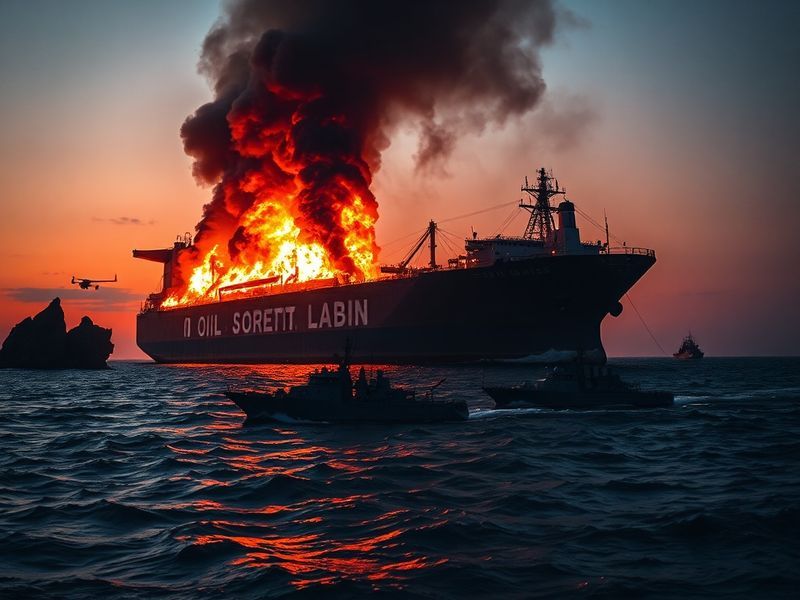
The Strait of Hormuz, a narrow waterway linking the Persian Gulf to the Gulf of Oman, handles roughly 20% of the world’s oil supply. When tensions rise in this critical chokepoint, energy markets react instantly—and often violently. The latest flare-up in regional hostilities has once again thrust this strategic waterway into the spotlight, raising concerns about supply disruptions, price volatility, and the fragility of global energy security.
The Recent Escalation and Its Immediate Impact
Over the past month, a series of maritime incidents and military posturing near the Strait of Hormuz has sent shockwaves through oil markets. Tankers have been seized, drones intercepted, and naval forces placed on high alert. The uncertainty has driven Brent crude prices above $95 per barrel for the first time since last year, with analysts warning that further escalation could push prices toward triple digits.
This isn’t just another geopolitical blip. The Strait of Hormuz isn’t merely a shipping route—it’s the artery through which much of the world’s energy lifeblood flows. A prolonged disruption here would ripple across industries, from transportation to manufacturing, and trigger economic slowdowns in energy-dependent nations.
Key Factors Behind the Current Crisis
- Geopolitical tensions: Regional rivalries between Iran and Gulf states, exacerbated by international sanctions, have created a volatile environment where miscalculation is always possible.
- Military posturing: Increased naval patrols by the U.S., U.K., and regional allies have raised the stakes, with each side signaling readiness to respond to perceived threats.
- Oil supply vulnerability: Despite global efforts to diversify energy sources, the world remains heavily dependent on Gulf oil, particularly from Saudi Arabia and Iraq.
- Market psychology: Traders are pricing in risk, and even rumors of a potential blockade can trigger panic buying and price spikes.
Broader Implications for Energy and Economies
The Strait of Hormuz isn’t just about oil—it’s about the stability of the global economy. When energy costs surge, inflation follows. Central banks, already grappling with stubborn price pressures, may be forced to tighten monetary policy further, risking slower growth. Emerging markets, which are often the most sensitive to oil price swings, could face currency crises and debt defaults.
For Western economies, the stakes are high but different. Europe, still reeling from last year’s energy crisis, is particularly vulnerable. A sustained disruption could force governments to reconsider their reliance on Gulf oil and accelerate investments in renewables—though such transitions take years, not months. Meanwhile, the U.S., now the world’s largest oil producer, could see its influence grow as it fills supply gaps, but only if domestic production scales up quickly.
In Asia, the picture is mixed. China and India, major importers of Gulf oil, are scrambling to secure alternative supplies. Beijing has been quietly negotiating with Russia and Venezuela to offset potential losses, while New Delhi has tapped its strategic petroleum reserves. Still, the logistical challenges of rerouting tankers around Africa or through the Strait of Malacca add costs and delays that could strain already fragile supply chains.
Historical Precedents and Lessons
The Strait of Hormuz has been a flashpoint before. In 2019, attacks on Saudi oil facilities temporarily halved the kingdom’s production. In 2012, Iran threatened to block the strait in retaliation for sanctions, sending prices skyward. Each time, the market adapted—but never without pain.
What’s different now is the broader context. The global economy is slowing. Inflation remains stubbornly high. And the energy transition, while accelerating, hasn’t yet delivered the scale of alternatives needed to replace Gulf oil overnight. The International Energy Agency has warned that a worst-case scenario—a full blockade of the strait—could remove 17 million barrels per day from global markets, roughly 17% of daily demand.
Yet history also shows that markets are resilient. After the 2019 attacks, prices stabilized within weeks as Saudi Arabia restored output and traders found new routes. The lesson? While the immediate shock is severe, the long-term damage depends on how quickly supply can be rerouted and how well governments and businesses manage the fallout.
What Happens Next?
The next few weeks will be critical. Diplomatic efforts are underway, but trust is in short supply. The U.S. has called for a multinational naval task force to protect shipping, while Iran has dismissed the idea as provocative. Meanwhile, oil traders are watching every move, ready to bet on the next escalation or de-escalation.
For now, the most likely scenario is a prolonged period of high prices and heightened risk. A full-blown blockade remains unlikely, but even partial disruptions could keep markets on edge. Businesses and policymakers should prepare for volatility—by diversifying supply chains, accelerating energy efficiency measures, and, where possible, locking in alternative energy sources.
The Strait of Hormuz is a reminder of how interconnected our world has become. In an era where energy security is as much about geopolitics as it is about technology, the lessons from this crisis will shape the global economy for years to come.
Actionable Takeaways for Businesses and Investors
- Diversify supply chains: Reduce reliance on any single source by exploring alternative suppliers and routes.
- Hedge against price volatility: Use futures contracts and other financial instruments to lock in prices where possible.
- Invest in energy efficiency: Reducing demand is the fastest way to mitigate the impact of supply shocks.
- Monitor geopolitical developments: Stay informed about regional tensions and be ready to pivot strategies quickly.
For those interested in further reading on energy markets and geopolitical risks, explore our News and Business sections for deeper analysis and expert commentary.
One thing is clear: the Strait of Hormuz will remain a pressure point for the foreseeable future. How the world responds to this latest shock will determine whether we see a temporary blip—or the beginning of a more profound energy crisis.