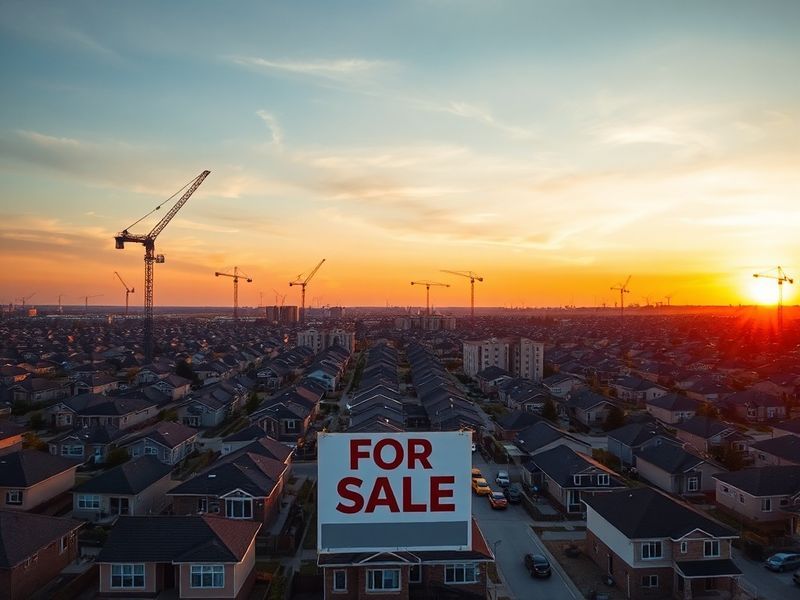
Why Housing Prices Are Rising Globally and What It Means for You
“`html
The Global Housing Crisis: Where Prices Are Rising—and Why
The cost of housing has become one of the defining economic challenges of the 21st century. From the skyscrapers of Hong Kong to the suburbs of Toronto, the dream of homeownership is slipping further out of reach for millions. While some cities remain relatively affordable, others have seen prices surge beyond local incomes, creating a ripple effect that touches nearly every aspect of life.
This isn’t just about supply and demand. Cultural shifts, government policies, and global investment trends all play a role in shaping today’s housing landscape. To understand why prices are rising—and what it means for the future—we need to look beyond the headlines and examine the forces at work.
The Cities Where Housing Prices Are Skyrocketing
A handful of urban centers have become notorious for their astronomical housing costs. These aren’t isolated incidents but part of a broader trend driven by limited space, high demand, and speculative investment.
- Hong Kong: The most expensive housing market in the world, where the average home costs over 20 times the median income. Tiny apartments and subdivided units have become the norm for many residents.
- Vancouver, Canada: Prices have doubled in the past decade, fueled by foreign investment and a lack of available land. The city’s skyline is dotted with luxury condos, while average families struggle to find affordable options.
- Sydney, Australia: Median home prices have surged past $1 million AUD, pushing younger generations toward long commutes or shared living arrangements.
- San Francisco, USA: The heart of Silicon Valley, where tech wealth has driven prices to record highs. Even modest homes can cost well over $1 million, pricing out many longtime residents.
These cities share common traits: strong job markets, strict zoning laws, and a cultural preference for urban living. But the consequences are stark—rising prices have led to increased homelessness, longer commutes, and a growing divide between the wealthy and everyone else.
The Cultural Shift: Why Owning a Home Still Matters
Homeownership has long been a cornerstone of financial stability and personal achievement. In many cultures, it represents security, status, and even generational wealth. Yet today, that dream is becoming harder to realize, particularly for younger generations.
In Japan, for example, the concept of ie—the traditional family home passed down through generations—has weakened as younger people move to cities for work. Meanwhile, in Germany, renting is a socially accepted norm, with over half the population choosing not to buy. These cultural differences shape housing markets in profound ways.
But the pressure to own isn’t fading. In countries like India and Brazil, where homeownership is still a key life milestone, prices are climbing as middle-class aspirations collide with limited supply. The result? A generation that works longer hours, takes on more debt, and delays major life decisions.
The Role of Government and Policy in Shaping Housing Markets
No discussion of housing prices is complete without examining the role of government. Policies on zoning, taxation, and foreign investment can either ease or exacerbate affordability crises.
Consider Singapore, where the government tightly controls land supply and offers subsidized housing through the Housing & Development Board (HDB). The result? One of the highest homeownership rates in the world—over 90%. Contrast that with the U.S., where restrictive zoning laws in cities like San Francisco have limited new construction, driving prices up.
Other countries have taken more controversial steps. In 2021, New Zealand introduced a ban on foreign buyers to cool its overheated market. Australia has considered similar measures, though enforcement remains a challenge. Meanwhile, cities like Berlin have experimented with rent control, though critics argue such policies can discourage investment and reduce housing quality.
The debate over housing policy is far from settled. Should governments prioritize homeownership through subsidies and incentives? Or is the private market the best arbiter of supply and demand? The answers vary by country—and the stakes couldn’t be higher.
Looking Ahead: Can the Housing Crisis Be Solved?
There’s no single solution to the global housing crisis, but a combination of strategies could help. Increasing housing supply through relaxed zoning laws and faster construction permits is one approach. Another is investing in alternative housing models, such as co-living spaces or modular homes, which can offer more flexibility.
Governments could also rethink tax policies. In many countries, mortgage interest deductions and capital gains exemptions benefit homeowners at the expense of renters. Reforming these policies could level the playing field.
But perhaps the biggest challenge is cultural. As long as homeownership remains a symbol of success, demand will keep pushing prices higher. Changing that mindset—encouraging more sustainable living arrangements or redefining financial success—could be just as important as policy changes.
One thing is clear: the housing crisis isn’t going away. For millions of people, the dream of a stable home is slipping further out of reach. The question is whether society can adapt before it’s too late.
For those interested in the intersection of economics and policy, our News section covers the latest developments in housing legislation and market trends. Meanwhile, if you’re curious about how global trends affect local markets, our Analysis articles break down complex issues into clear insights.