The recent fire in Brighton has left residents and officials grappling with its aftermath. As investigations unfold, the incident raises critical questions about safety protocols, emergency response, and urban resilience in coastal cities.
The Incident and Immediate Response
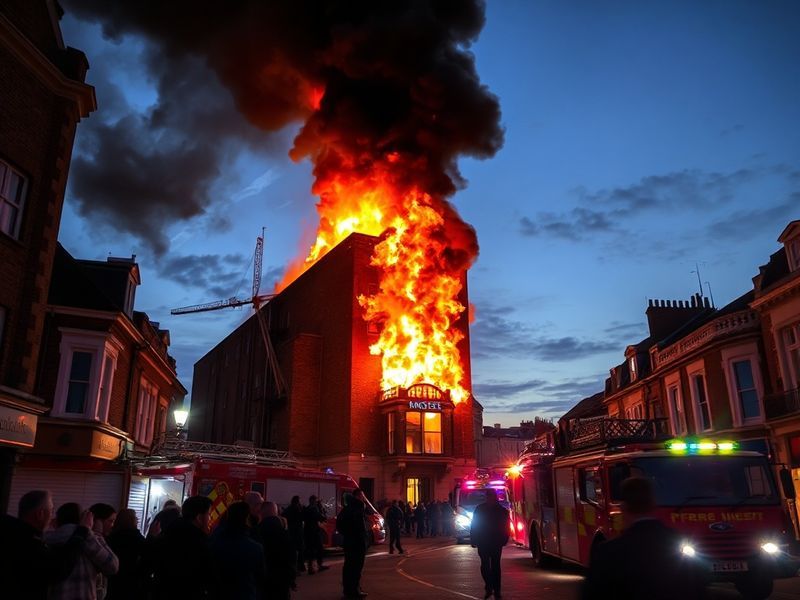
The fire broke out in a densely populated area of Brighton late last week, drawing emergency services from across the region. Firefighters worked for over 12 hours to contain the blaze, which damaged several buildings and displaced dozens of residents. The cause remains under investigation, though early reports suggest a potential electrical fault as a possible trigger.
Local authorities issued evacuation notices for nearby streets, and temporary shelters were set up to accommodate those affected. The response highlighted both the challenges and strengths of Brighton’s emergency services, with some praising the swift action while others questioned the preparedness for large-scale incidents.
Key Points from the Response Effort
- Over 50 firefighters and 10 fire engines deployed to the scene.
- No fatalities reported, but three individuals were treated for smoke inhalation.
- Power outages affected approximately 2,000 homes temporarily.
- Investigators are examining CCTV footage and witness statements.
- City officials have pledged to review safety measures in high-risk areas.
Broader Implications for Brighton
Beyond the immediate damage, the fire underscores longstanding concerns about aging infrastructure in Brighton. Many of the affected buildings date back to the early 20th century, raising questions about whether sufficient upgrades have been made to electrical and fire safety systems. The incident may accelerate calls for stricter building codes or retrofitting programs.
Economically, the fire could strain local businesses already recovering from pandemic disruptions. Insurance claims alone may total millions, and some storefronts may face prolonged closures. Meanwhile, residents are left to navigate temporary housing and insurance disputes, adding to the stress of an already difficult situation.
What Comes Next?
The investigation into the fire’s cause will likely take weeks, if not months, to conclude. Until then, local leaders face pressure to reassure the public while implementing preventative measures. Some proposals already circulating include more frequent safety inspections and public awareness campaigns about fire risks.
For Brighton, this event serves as a wake-up call. Coastal cities like Brighton must balance tourism-driven growth with the need for robust infrastructure. The fire’s aftermath may well shape policy decisions for years to come, determining whether the city emerges stronger or more vulnerable.
Lessons for Other Cities
Brighton’s experience offers broader lessons for urban areas nationwide. Aging infrastructure is a silent crisis in many cities, often overshadowed by more visible challenges. The fire highlights the need for proactive maintenance and investment in safety systems before disasters strike.
Emergency response protocols also warrant scrutiny. While Brighton’s firefighters performed admirably, the scale of the fire exposed gaps in coordination between agencies. Cities with similar demographics or infrastructure risks would do well to evaluate their own preparedness.
Finally, the fire underscores the human cost of such incidents. Displacement, financial loss, and emotional trauma ripple through communities long after the flames are extinguished. Addressing these ripple effects requires more than just rebuilding—it demands systemic change.
As Brighton moves forward, the lessons learned here could resonate far beyond its shores. The question now is whether other cities will heed those lessons before it’s too late.
For more on urban safety and emergency preparedness, visit our News and Analysis sections.