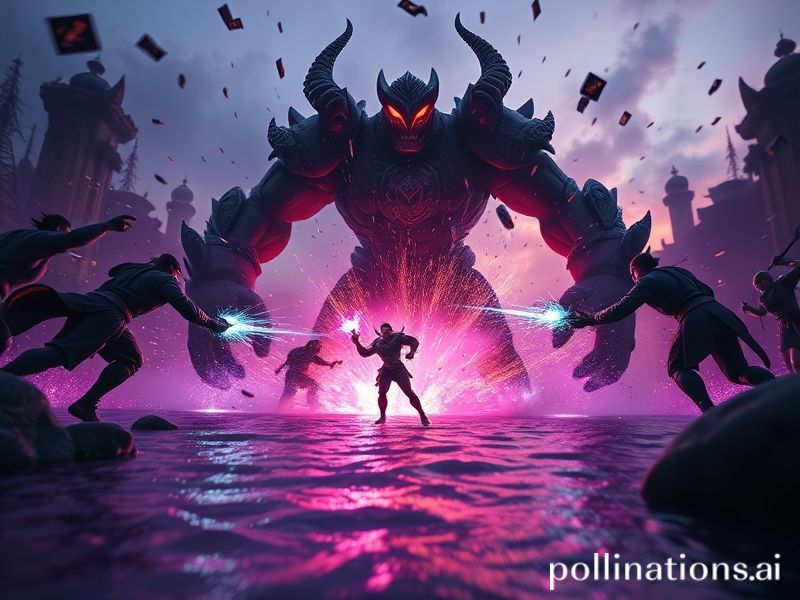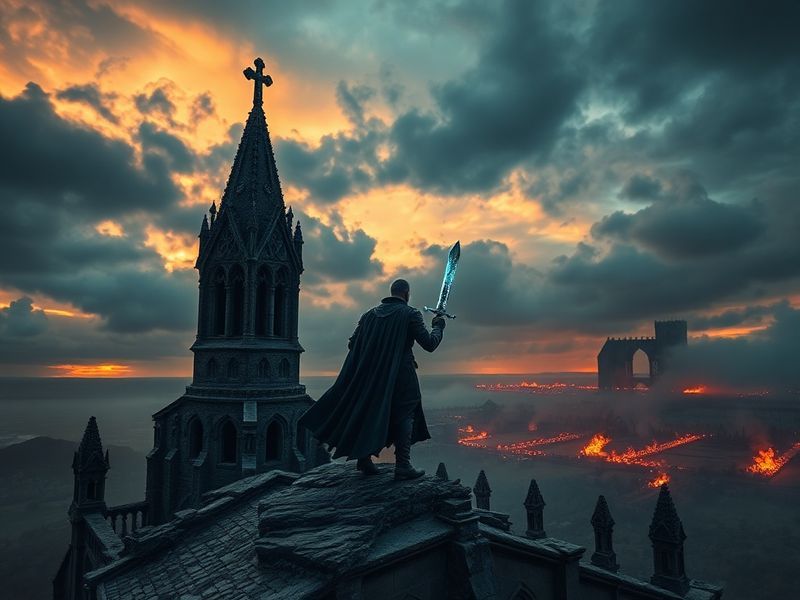
When Blizzard Entertainment announced Diablo 4 in 2019, fans around the world didn’t just anticipate another action RPG—they expected a return to the dark, gritty world that had defined a generation of gaming. Released in June 2023, the game didn’t merely meet expectations; it redefined what a modern action RPG could be, blending deep lore, immersive gameplay, and global accessibility in ways few titles have managed.
Unlike its predecessors, which often focused on solo playthroughs, Diablo 4 embraced a living, breathing world where community interaction and shared experiences took center stage. This shift wasn’t just technical—it reflected a broader trend in gaming, where players increasingly seek worlds that evolve beyond their own progress. The game’s success isn’t confined to any single region; it has resonated across continents, proving that great storytelling and tight gameplay transcend cultural boundaries.
The World of Sanctuary: A Dark Canvas for Global Players
At the heart of Diablo 4 is the world of Sanctuary, a realm plagued by demonic forces and moral ambiguity. Blizzard expanded this universe significantly, introducing new regions like Scosglen, Fractured Peaks, and Dry Steppes, each with distinct visual styles and environmental storytelling. The art direction drew inspiration from global cultures—Gothic European aesthetics blend seamlessly with Middle Eastern and Central Asian motifs, creating a world that feels both familiar and exotic.
This diversity in design wasn’t accidental. Blizzard consulted cultural historians and artists from multiple regions to ensure that environments like the Dry Steppes—inspired by North African and Middle Eastern landscapes—felt authentic rather than stereotypical. The result is a world that appeals to a global audience, allowing players from different backgrounds to see reflections of their own cultures within the game’s lore.
Accessibility and Inclusivity: Gaming for Everyone
One of Diablo 4’s most significant achievements is its commitment to accessibility. The game offers a range of features designed to accommodate players with disabilities, including colorblind modes, subtitles with customizable fonts, and controller support. These changes reflect a growing awareness in the gaming industry that inclusivity isn’t just a moral imperative—it’s a business necessity.
Blizzard also localized the game into 10 languages, ensuring that players in Japan, Brazil, Germany, and beyond could enjoy the experience in their native tongue. This attention to detail has helped Diablo 4 achieve over 12 million players within its first month, a testament to its global appeal. The game’s success in markets like China—where it was one of the most downloaded titles on Tencent’s platforms—demonstrates how deeply it has penetrated diverse gaming cultures.
Gameplay Evolution: What Sets Diablo 4 Apart
Diablo 4 isn’t just a sequel; it’s a reimagining. While it retains the core loop of loot-driven progression and dungeon crawling, Blizzard introduced mechanics that address criticisms of past entries. The Sanctuary Onslaught system, for example, allows players to tackle procedurally generated dungeons with friends or solo, reducing the grind of repetitive content. Meanwhile, the World Boss system encourages global cooperation, as players from different servers band together to take down massive foes.
The class system also received a major overhaul. Returning favorites like the Barbarian and Sorceress were joined by fresh archetypes such as the Druid and Rogue, each with unique playstyles. The Paragon Board, a skill tree alternative, introduced a new layer of customization, allowing players to tailor their builds in ways that were previously impossible. These changes have kept the game fresh, even for veterans of the series.
Monetization and the Ethics of Live Service
No discussion of Diablo 4 would be complete without addressing its monetization model. As a live-service game, it relies on microtransactions for cosmetics, battle passes, and expansions. While some players have criticized this approach, Blizzard has largely avoided the pitfalls of aggressive monetization seen in other titles. The game’s cosmetic-only store ensures that progression isn’t pay-to-win, a decision that has earned it praise from the community.
However, the game’s longevity will depend on how well Blizzard balances content updates. The first major expansion, Vessel of Hatred, is slated for late 2024 and promises to introduce a new class, the Necromancer, along with fresh zones and storylines. If Blizzard can maintain a steady cadence of updates without overwhelming players, Diablo 4 could set a new standard for the genre.
The Cultural Impact of Diablo 4
Diablo 4 isn’t just a game; it’s a cultural touchstone. Its success reflects broader trends in gaming, where community, storytelling, and accessibility are just as important as gameplay mechanics. The game’s esports scene, though still in its infancy, has already begun to take shape, with tournaments like the Diablo World Championship drawing international competitors.
Beyond competitive play, Diablo 4 has also influenced streaming culture. Platforms like Twitch and YouTube have seen a surge in content creators focusing on the game, from speedrunners to lore enthusiasts. This organic growth has helped sustain interest long after the initial launch, proving that Diablo 4 is more than just a passing trend—it’s a lasting fixture in the gaming landscape.
Looking Ahead: The Future of the Diablo Franchise
With Diablo 4 firmly established as a global phenomenon, the question on everyone’s mind is: What’s next? Blizzard has hinted at multiple expansions, each promising to expand the world of Sanctuary further. There’s also speculation about a potential Diablo 5, though no official announcement has been made.
What’s clear is that Diablo 4 has set a high bar for future entries in the genre. Its blend of deep storytelling, accessible design, and community-driven content has redefined what players expect from an action RPG. Whether you’re a veteran of the series or a newcomer, the world of Sanctuary offers something for everyone—and its legacy is only just beginning.
For those eager to dive deeper into the world of Diablo 4, check out our Gaming section for the latest updates and guides. And don’t forget to explore our Technology category for insights into the technical innovations powering modern RPGs.