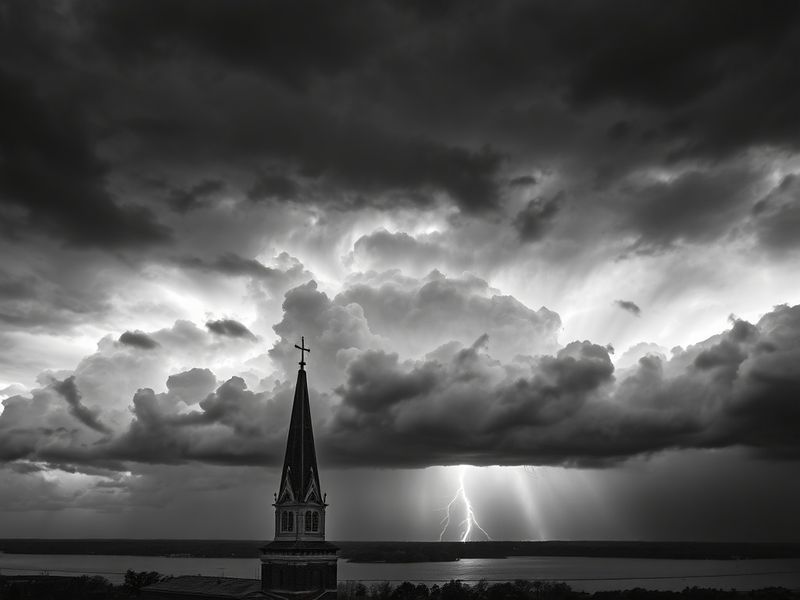
Evansville, Indiana, experiences a humid subtropical climate, marked by distinct seasons, frequent precipitation, and occasional severe weather. Located along the Ohio River, the city’s weather patterns are influenced by its inland position and proximity to large water bodies. Understanding these conditions helps residents prepare for everything from summer heatwaves to winter ice storms.
The Four Seasons in Evansville
Evansville’s climate is defined by four distinct seasons, each with its own challenges and characteristics. Winters are typically cold but manageable, with average lows in January dipping to around 23°F (-5°C). Snowfall averages about 14 inches annually, though heavy snow events are not uncommon. Spring brings rapid warming and increased rainfall, often leading to flooding in low-lying areas. Summers are hot and humid, with temperatures frequently climbing into the 90s (°F) and high humidity making it feel even hotter. Fall is generally mild and pleasant, with crisp air and lower humidity, though early frost is possible.
The transition between seasons can be abrupt. Residents often joke about experiencing all four seasons in a single week, a testament to the city’s unpredictable weather. This variability requires adaptability, whether it’s switching from winter coats to summer shorts or preparing for sudden thunderstorms.
Key Seasonal Highlights
- Winter: Cold temperatures, occasional ice storms, and snowfall. Ice storms are particularly disruptive, causing power outages and hazardous road conditions.
- Spring: Rapid warming, frequent rain, and the risk of severe thunderstorms, including tornadoes. Flash flooding is a concern in urban areas with poor drainage.
- Summer: Hot and humid conditions, with heat indices often exceeding 100°F (38°C). Heat advisories are common, and air quality can degrade due to ozone levels.
- Fall: Mild temperatures and lower humidity. Early frost and dense fog are typical, especially in rural areas.
Severe Weather: A Year-Round Concern
Evansville is no stranger to severe weather, which can occur at any time of the year. Thunderstorms are most common in spring and summer, often bringing heavy rain, lightning, and strong winds. Tornadoes, while less frequent than in other parts of the Midwest, are a real threat. The city lies within the “Dixie Alley,” a region particularly vulnerable to tornado outbreaks in late fall and early spring.
Winter brings its own set of challenges. Ice storms can cripple the city, as seen in the devastating 2009 ice storm that left thousands without power for days. Snowstorms, while less intense than in northern Indiana, still disrupt daily life, particularly when they coincide with rush hour. Flooding is also a recurring issue, especially along the Ohio River and its tributaries. The Great Flood of 1937 remains one of the most catastrophic events in Evansville’s history, but more recent floods in 2011 and 2015 caused significant damage to homes and infrastructure.
Residents must stay vigilant, monitoring weather alerts and having emergency plans in place. Local meteorologists and emergency management officials emphasize the importance of preparedness, from stocking emergency kits to knowing the safest routes to higher ground in flood-prone areas.
Climate Change and the Future of Evansville Weather
Like many cities, Evansville is experiencing the effects of climate change. Over the past few decades, average temperatures have risen, with nighttime lows increasing more than daytime highs. This has led to longer growing seasons but also more intense heatwaves. Precipitation patterns have shifted as well, with heavier rainfall events becoming more frequent. This trend has contributed to localized flooding, particularly in areas with aging infrastructure.
Climate projections suggest that Evansville will continue to warm, with more days above 90°F (32°C) and fewer days below freezing. While this may reduce winter heating costs, it could also exacerbate summer heat stress and air quality issues. Additionally, the frequency of extreme weather events—such as heavy rainfalls and heatwaves—is expected to rise, posing challenges for urban planning and public health.
Local officials and environmental groups are beginning to address these changes. Initiatives like the Evansville Climate Action Plan aim to reduce greenhouse gas emissions and improve resilience to extreme weather. These efforts include upgrading stormwater systems, expanding green spaces to mitigate urban heat, and promoting energy-efficient buildings. However, the pace of change remains a topic of debate, with some arguing that more aggressive action is needed.
How Evansville Compares to Other Midwest Cities
Evansville’s weather is distinct from other Midwestern cities in several ways. Unlike cities to the north, such as Chicago or Indianapolis, Evansville has a milder winter, with less snowfall and fewer subzero days. However, it also experiences more humidity and higher temperatures in the summer, making it feel more like cities in the Deep South. Compared to cities like St. Louis or Louisville, Evansville’s proximity to the Ohio River influences its weather patterns, particularly in terms of flooding and humidity.
Another key difference is the city’s vulnerability to severe weather. While tornadoes are less frequent in Evansville than in the heart of Tornado Alley, the city’s location in Dixie Alley means it is still at risk, particularly in the spring and fall. Additionally, Evansville’s urban heat island effect—where the city is several degrees warmer than surrounding rural areas—can intensify heatwaves, making it a growing concern for public health officials.
For residents, these differences highlight the need for tailored preparedness strategies. While snow removal may be less of a priority than in northern cities, flood insurance and heatwave preparedness are essential. Understanding these nuances helps residents better navigate the city’s unique climate challenges.
Preparing for Evansville’s Weather: Tips for Residents
Living in Evansville requires a proactive approach to weather preparedness. Here are some key steps residents can take to stay safe and comfortable:
- Stay Informed: Sign up for local weather alerts from the National Weather Service and follow trusted local meteorologists. Apps like Weather Underground or AccuWeather can provide real-time updates and radar images.
- Prepare an Emergency Kit: Include essentials like bottled water, non-perishable food, flashlights, batteries, a first-aid kit, and any necessary medications. Keep the kit updated and ensure all family members know where it is stored.
- Know Your Risks: Identify whether you live in a flood-prone area or near a potential tornado path. The Evansville-Vanderburgh County Emergency Management Agency provides maps and resources to help residents assess their risks.
- Weatherproof Your Home: Install storm shutters or reinforce windows to protect against severe storms. Ensure your sump pump is working, especially if you live in a low-lying area. Insulate pipes to prevent freezing in winter.
- Plan for Power Outages: Invest in a portable generator or alternative power sources, such as solar chargers. Keep a supply of candles, matches, and warm blankets on hand. If you rely on medical equipment that requires electricity, register with your local utility company for priority restoration during outages.
- Stay Cool in Summer: Use fans, stay hydrated, and limit outdoor activities during peak heat hours. Check on elderly neighbors or those with chronic health conditions, as they are more vulnerable to heat-related illnesses.
- Drive Safely: Keep an emergency kit in your vehicle, including a shovel, ice scraper, jumper cables, and a portable phone charger. Avoid driving through flooded roads, and always check weather conditions before heading out.
By taking these steps, residents can minimize the impact of Evansville’s unpredictable weather and ensure their safety during extreme events. Local organizations, such as the American Red Cross and the Evansville Urban Enterprise Association, offer additional resources and workshops on emergency preparedness.
Conclusion
Evansville’s weather is as dynamic as it is demanding. From the sweltering summers to the icy winters, residents must navigate a climate that offers little room for complacency. Severe weather events, while not constant, are a reality that requires vigilance and preparation. As climate change continues to reshape weather patterns, the city faces new challenges, from rising temperatures to more frequent heavy rainfall.
Yet, Evansville’s resilience is evident in the ways its residents adapt and prepare. Whether through community initiatives, technological advancements, or personal preparedness, the city is taking steps to mitigate the risks posed by its climate. For those living in or moving to Evansville, understanding the weather is not just about comfort—it’s about survival. By staying informed, taking proactive measures, and supporting local efforts to address climate change, residents can thrive in this ever-changing environment.
For more insights into living in the Midwest, explore our coverage of Travel and Health topics on Dave’s Locker. Whether you’re planning a visit or considering a move, understanding the local climate is a crucial first step.