How Cruise Lines Are Redefining Travel in 2024 and Beyond
“`html
Cruise Lines: The Floating Cities Shaping Modern Travel
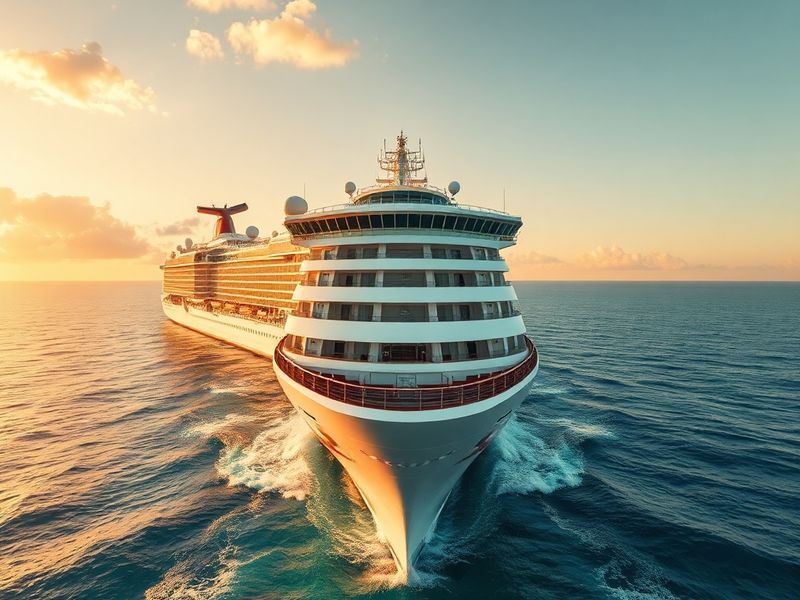
Cruise lines have evolved from simple passenger ferries into floating cities that redefine luxury, entertainment, and global tourism. These massive vessels, often larger than some skyscrapers, now offer everything from Broadway-style shows to Michelin-starred dining—all while sailing across oceans. The industry has grown into a $30 billion global powerhouse, reshaping how people experience travel.
The rise of modern cruise lines reflects broader shifts in consumer behavior, technology, and environmental awareness. As travelers seek more immersive and sustainable experiences, cruise operators are adapting with innovations like zero-emission ships and onboard farm-to-table dining. Yet challenges remain, from overcrowded destinations to the carbon footprint of these floating behemoths.
The Evolution of Cruise Lines: From Luxury to Mainstream
Cruising began in the 19th century as an exclusive mode of travel for the wealthy. The golden age of ocean liners like the Titanic and Queen Mary catered to elite passengers seeking transatlantic crossings in opulent surroundings. By the mid-20th century, however, commercial aviation made these voyages less practical, forcing cruise lines to pivot toward leisure travel.
The game changed in 1972 when Carnival Cruise Line launched the Mardi Gras, a ship designed purely for entertainment rather than transportation. This shift marked the beginning of modern cruising—a model built on all-inclusive pricing, vibrant nightlife, and family-friendly amenities. Today, the industry serves over 30 million passengers annually, with brands like Royal Caribbean and Norwegian Cruise Line leading the charge.
Key milestones in cruise line evolution include:
- 1980s: The introduction of mega-ships like Sovereign of the Seas, the first to exceed 100,000 gross tons.
- 2000s: The rise of “destination” cruises, such as Alaska and the Caribbean, tailored to specific traveler interests.
- 2010s: The launch of luxury brands like Virgin Voyages and Disney Cruise Line, targeting niche markets.
- 2020s: A focus on sustainability, with companies like Hurtigruten pioneering hybrid-powered ships.
Inside the Industry: How Cruise Lines Operate
Running a cruise line is a complex operation that blends hospitality, logistics, and engineering. A single vessel can house thousands of guests and crew, requiring meticulous planning to ensure smooth sailing. The backbone of this industry is the hub-and-spoke model, where ships depart from major ports (like Miami or Barcelona) and visit multiple destinations before returning.
Behind the scenes, cruise lines manage vast supply chains to stock ships with everything from food to fuel. A 7-day cruise for 4,000 passengers can consume:
- 10,000 eggs
- 5,000 pounds of beef
- 15,000 bottles of water
- 100,000 pounds of luggage
Technology plays a crucial role in operations, from advanced navigation systems to AI-driven customer service. Royal Caribbean’s Symphony of the Seas, for example, uses facial recognition for boarding and smart wristbands to track spending and activities. Meanwhile, sustainability efforts are pushing the industry toward cleaner energy sources, with some ships now powered by LNG (liquefied natural gas).
Yet challenges persist. The COVID-19 pandemic exposed vulnerabilities in the cruise industry, with prolonged shutdowns and outbreaks aboard ships making headlines. Regulatory scrutiny has increased, particularly around safety protocols and environmental impact. Despite these hurdles, the industry remains resilient, with new orders for ships valued at over $60 billion in the next decade.
The Broader Impact: Economic, Cultural, and Environmental
Cruise lines are more than just vacation providers—they are economic engines for coastal cities and remote islands. Ports like Nassau in the Bahamas or Santorini in Greece rely heavily on cruise tourism, which injects billions into local economies. However, this dependency can create tensions, as seen in Venice, where mass tourism has led to protests over overcrowding and environmental damage.
Culturally, cruising has democratized luxury travel. Once reserved for the elite, modern cruises offer accessible vacations with Broadway shows, celebrity chef restaurants, and even on-board surf simulators. Yet critics argue that cruising fosters a homogenization of travel experiences, where passengers consume pre-packaged versions of destinations rather than engaging with local cultures.
The environmental impact of cruising is perhaps the most contentious issue. A single cruise ship can emit as much sulfur oxide as 3.5 million cars, according to a 2019 report by Friends of the Earth. To combat this, some companies are adopting greener practices:
- Hybrid and electric ships: Hurtigruten’s Roald Amundsen uses battery power for part of its journey.
- Waste reduction: Disney Cruise Line has eliminated single-use plastics aboard its ships.
- Carbon offset programs: Carnival Corporation invests in renewable energy projects to balance emissions.
Despite these efforts, the industry’s progress remains uneven. The International Maritime Organization’s 2050 decarbonization goals loom large, pushing companies to innovate faster. For cruise enthusiasts, the future may lie in smaller, more sustainable vessels that prioritize quality over quantity.
What’s Next for Cruise Lines?
The next decade will likely see cruise lines doubling down on three key trends: personalization, sustainability, and technology. Companies are already experimenting with AI-driven itineraries that adapt to passenger preferences in real time. Meanwhile, the push for net-zero emissions is accelerating, with some experts predicting the first fully carbon-neutral cruise ship by 2030.
Another emerging trend is the rise of “expedition cruises,” which cater to adventure travelers seeking remote destinations like the Arctic or Galápagos Islands. These voyages often include guided excursions, wildlife encounters, and educational programs, offering a stark contrast to the party atmosphere of traditional cruises.
For travelers, the choices are expanding. Those seeking ultra-luxury can book a suite on Seabourn Odyssey, while budget-conscious explorers can opt for a no-frills adventure with MSC Cruises. The industry’s diversity ensures there’s something for every type of voyager—whether they’re chasing relaxation, adventure, or Instagram-worthy experiences.
As cruise lines navigate these changes, one thing is clear: they will continue to shape the future of travel. Whether through technological marvels or sustainable innovations, these floating cities are more than just a vacation—they’re a glimpse into the evolving world of global tourism.
Final Thoughts
Cruise lines stand at a crossroads, balancing growth with responsibility. The industry’s ability to adapt will determine whether it thrives in the coming decades or faces increasing backlash from travelers and regulators alike. For now, the allure of the open sea and the promise of endless entertainment remain as strong as ever.