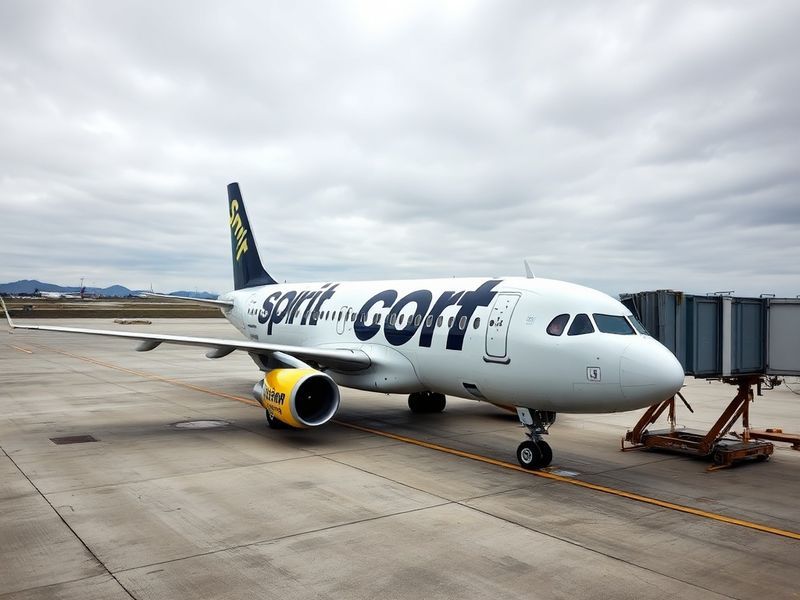
How Low-Cost Carriers Changed Air Travel Forever
“`html
Low-Cost Carrier Airlines: How They Changed Travel
Low-cost carriers have reshaped the airline industry over the past few decades. These airlines prioritize affordability by stripping away non-essential services and offering bare-bones ticket prices. Their rise has democratized air travel, making it accessible to millions who previously considered flying a luxury. The model has not only influenced how people travel but also forced legacy airlines to rethink their pricing and service structures.
The concept of low-cost carriers isn’t new, but their dominance in the market is a more recent phenomenon. Airlines like Southwest in the United States and Ryanair in Europe pioneered the model in the 1970s and 1980s, proving that passengers would accept fewer amenities in exchange for lower fares. Today, these carriers account for a significant portion of global air traffic, challenging traditional carriers at every turn.
The Business Model Behind Low-Cost Carriers
Low-cost carriers operate on a fundamentally different business model compared to legacy airlines. Their primary focus is on minimizing costs while maximizing efficiency. This is achieved through several key strategies:
- Single Aircraft Type: Most low-cost carriers operate a uniform fleet, typically consisting of one or two aircraft models. This simplifies maintenance, reduces training costs, and streamlines operations.
- Direct Sales: Tickets are sold primarily through the airline’s website or mobile app, cutting out travel agency commissions and third-party booking fees.
- Rapid Turnaround Times: Flights are scheduled with minimal layover times between arrivals and departures. This maximizes aircraft utilization, allowing airlines to fly more routes with fewer planes.
- Ancillary Revenue Streams: While base fares are low, low-cost carriers generate significant income from add-ons such as checked baggage, seat selection, and in-flight meals.
- Secondary Airports: Many low-cost carriers fly into smaller, less congested airports that charge lower landing fees. This also appeals to budget-conscious travelers willing to travel slightly farther from city centers.
These strategies allow low-cost carriers to offer fares that are often 30-50% lower than those of traditional airlines. However, they also come with trade-offs. Passengers typically receive fewer amenities, such as complimentary meals or spacious seating, and may face additional fees for services that were once included in the ticket price.
The Impact on Travelers and the Industry
The rise of low-cost carriers has had a profound impact on both travelers and the airline industry. For consumers, the most significant benefit is affordability. Air travel is no longer reserved for the wealthy or business travelers; families, students, and budget-conscious tourists can now fly to destinations they might have otherwise avoided due to high costs. This has led to a surge in short-haul and mid-haul travel, particularly in regions like Europe and Southeast Asia, where low-cost carriers dominate regional routes.
For the industry, the impact has been equally transformative. Legacy airlines have been forced to adapt by introducing their own low-cost subsidiaries or revising their pricing models. For example, major carriers like Delta, United, and American Airlines now offer basic economy fares that mimic the stripped-down approach of low-cost carriers. This shift has blurred the lines between traditional and low-cost airlines, creating a more competitive landscape.
The growth of low-cost carriers has also influenced other industries. The hospitality sector, for instance, has seen a rise in budget accommodations as travelers seek to balance lower airfare costs with affordable lodging. Even car rental companies and local transportation services have adapted to cater to the influx of budget travelers.
Case Study: Ryanair and the European Market
Ryanair is one of the most successful low-cost carriers in the world, particularly in Europe, where it has become synonymous with affordable air travel. Founded in 1984, Ryanair initially struggled to compete with legacy carriers like British Airways and Lufthansa. However, after a strategic pivot in the 1990s to adopt a low-cost model, the airline flourished. Today, Ryanair operates over 200 aircraft and serves more than 200 destinations across Europe and North Africa.
Ryanair’s success has forced other European airlines to rethink their strategies. Airlines like EasyJet and Wizz Air have adopted similar models, creating a highly competitive environment. This competition has driven down airfare prices across the continent, benefiting travelers but squeezing profit margins for airlines. Ryanair, in particular, has faced criticism for its aggressive cost-cutting measures, including charging for checked baggage and enforcing strict carry-on policies. However, its ability to consistently offer some of the lowest fares in Europe has cemented its dominance in the market.
Challenges and Criticisms of Low-Cost Carriers
Despite their popularity, low-cost carriers are not without their challenges and criticisms. One of the most common complaints from passengers is the prevalence of hidden fees. While base fares may appear low, additional charges for baggage, seat selection, and even printing a boarding pass at the airport can quickly inflate the total cost of a trip. This has led to accusations that low-cost carriers are misleading consumers with deceptive pricing practices.
Another criticism is the lack of comfort and convenience. Low-cost carriers often pack seats tightly, offer limited legroom, and charge extra for basic amenities like water or snacks. While these trade-offs are expected for the lower fares, they can make long-haul flights particularly uncomfortable. Additionally, the focus on rapid turnaround times can lead to delays and cancellations, as airlines prioritize efficiency over punctuality.
Environmental concerns are also a growing issue for low-cost carriers. While airlines like Ryanair and EasyJet have made efforts to reduce their carbon footprint by investing in newer, more fuel-efficient aircraft, the sheer volume of flights operated by these carriers contributes significantly to aviation emissions. This has led to calls for stricter regulations on the industry, particularly as governments and consumers become more conscious of climate change.
The Future of Low-Cost Carriers
The future of low-cost carriers looks promising, but not without challenges. As fuel prices fluctuate and environmental regulations tighten, these airlines will need to innovate to remain competitive. One area of growth is long-haul low-cost travel. While most low-cost carriers currently focus on short and mid-haul routes, airlines like Norwegian Air and AirAsia X have experimented with long-haul flights. However, the economics of long-haul low-cost travel are more complex, as fuel costs and passenger expectations make it difficult to maintain low fares.
Another trend is the consolidation of the industry. As low-cost carriers grow larger, smaller operators may struggle to compete, leading to mergers and acquisitions. This could reduce competition in some markets but also create more stable and financially robust airlines. Additionally, technological advancements such as artificial intelligence and automation could further streamline operations, reducing costs and improving efficiency.
For travelers, the future likely holds more options and lower fares, but also the potential for more hidden fees and reduced amenities. As the industry evolves, passengers will need to carefully weigh the trade-offs between cost and convenience when choosing an airline.
Conclusion
Low-cost carriers have undeniably transformed the airline industry, making air travel accessible to millions of people around the world. Their business models have forced legacy airlines to adapt, creating a more competitive and dynamic market. While they offer unparalleled affordability, passengers must be aware of the trade-offs, from hidden fees to reduced comfort. As the industry continues to evolve, low-cost carriers will need to balance innovation with sustainability to ensure their long-term success. For now, they remain a cornerstone of modern travel, offering a glimpse into the future of affordable and accessible air transportation.
For those interested in exploring more about the travel industry, check out our Travel category on Dave’s Locker, where we dive deeper into destinations, trends, and travel tips.