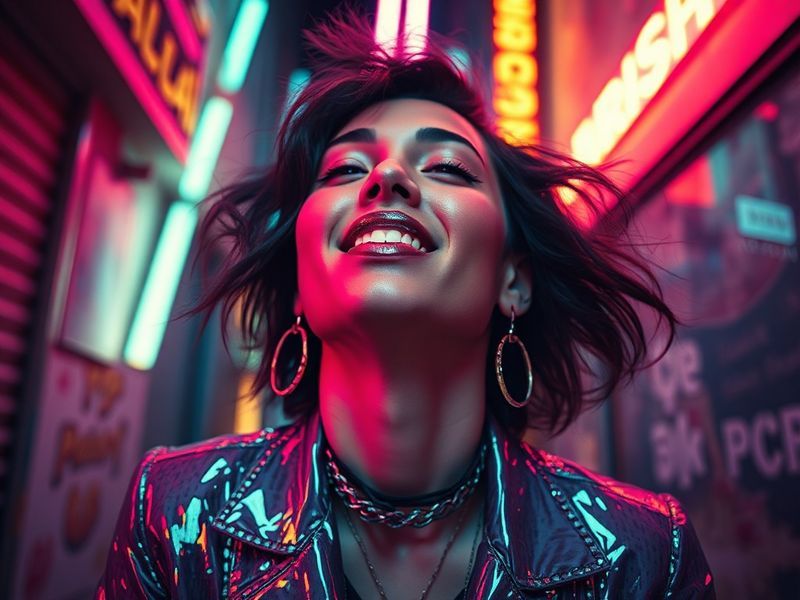
Jules Euphoria isn’t a brand or a traditional designer—it’s a movement quietly reshaping how we perceive contemporary fashion. Emerging from the underground scenes of New York and Berlin, Jules Euphoria blends raw aesthetic experimentation with an almost philosophical approach to clothing. The label’s identity thrives on contradiction: wearable art that feels both futuristic and nostalgic, luxurious yet deliberately imperfect.
What began as a niche project among a collective of artists and designers has grown into a cultural touchstone for those who reject mainstream fashion’s rigid conventions. Jules Euphoria’s influence extends beyond clothing; it’s a lifestyle philosophy that challenges the idea of what fashion can—or should—be. This is the story of how a small collective became a quiet revolution in an industry often obsessed with loud declarations.
The Origins: From Underground Scene to Global Phenomenon
Jules Euphoria’s roots trace back to the late 2010s, when a group of friends in New York’s Lower East Side began experimenting with fabric, dye, and unconventional construction techniques. The collective, initially unnamed, was united by a shared disdain for the homogeneity of contemporary fashion. Their early work was raw, unpolished, and deeply personal—pieces that looked like they’d been salvaged from another era and reimagined for today.
The name “Jules Euphoria” emerged almost by accident. One of the founders, Jules, had a habit of signing their early designs with a playful, looping signature. The “Euphoria” was added later, not as a marketing gimmick but as a nod to the emotional charge their clothing seemed to carry. It stuck. By 2020, the label had started to gain traction in niche fashion circles, particularly among those who frequented independent boutiques and underground fashion shows.
The collective’s breakthrough came when a viral TikTok video showcased one of their signature pieces—a deconstructed blazer with exposed foam padding and hand-painted details—being worn by a model in an abandoned subway tunnel. The video’s caption read simply, “Fashion doesn’t have to be perfect to be powerful.” Within weeks, Jules Euphoria’s website crashed under the weight of pre-orders. What followed was a slow but steady expansion, as the label began collaborating with like-minded artists and musicians who shared their vision.
The Aesthetic: Deconstruction, Nostalgia, and the Unfinished
At the heart of Jules Euphoria’s design philosophy is the idea of “controlled imperfection.” The label’s pieces often feature raw hems, visible stitching, and fabrics that appear deliberately aged or distressed. This isn’t the kind of distressing you see on fast-fashion jeans; it’s a meticulous, almost fetishistic approach to making clothing look like it’s in a constant state of becoming.
The aesthetic draws heavily from 1990s rave culture, post-punk DIY ethos, and the deconstructivist architecture movement. There’s a sense of nostalgia, but it’s not the warm, fuzzy kind—it’s the nostalgia for something you never lived through, a yearning for a past that feels both familiar and alien. The color palette is equally distinctive: muted earth tones punctuated by sudden bursts of neon, or all-black ensembles softened by a single, deliberately mismatched accessory.
One of the label’s most iconic pieces is the “Memory Jacket,” a patchwork garment made from vintage fabrics sourced from flea markets in Berlin and Tokyo. Each jacket is one-of-a-kind, with the patches arranged in a way that tells a fragmented story. The effect is both personal and universal—reminding the wearer that clothing can carry history, even if that history is entirely fabricated.
- Key Design Elements:
- Raw edges: Hemlines, seams, and collars are often left unfinished, creating a sense of movement and impermanence.
- Hybrid fabrics: The label frequently blends materials like neoprene, silk, and repurposed upholstery fabric, resulting in textures that feel both high-tech and tactile.
- Asymmetry: Whether it’s a dress with one shoulder or pants with uneven hems, Jules Euphoria’s designs reject the tyranny of symmetry.
- Hidden details: Pockets that don’t open, zippers that don’t zip, and seams that are purely decorative—these are the hallmarks of a Jules Euphoria piece.
The Philosophy: Fashion as a Form of Resistance
Jules Euphoria isn’t just a clothing brand; it’s a rejection of the fashion industry’s obsession with perfection, exclusivity, and disposability. The label’s manifesto, which appears in fragmented form on their website and in the packaging of their products, is a call to arms for those who see fashion as a medium for self-expression rather than a status symbol.
One of the most compelling aspects of Jules Euphoria’s philosophy is its emphasis on collaboration over competition. The label frequently works with artists, musicians, and even chefs to create limited-edition pieces that blur the line between fashion and other creative disciplines. For example, their 2022 collaboration with a Berlin-based sound artist resulted in a line of clothing embedded with conductive thread that could be “played” like an instrument. The pieces weren’t just wearable; they were interactive.
The label’s approach to sustainability is equally unconventional. Instead of relying on recycled materials or organic cotton—approaches that have become industry standards—Jules Euphoria focuses on longevity and adaptability. Their garments are designed to be altered, repurposed, or even destroyed by the wearer. The idea is to treat clothing as a living entity, something that evolves with the person who owns it.
This philosophy extends to their business model. Unlike traditional fashion houses that rely on seasonal collections and rapid production cycles, Jules Euphoria releases new pieces sporadically, often tied to specific events or collaborations. Their “drop culture” is less about hype and more about creating a sense of anticipation and exclusivity without resorting to the artificial scarcity that plagues so much of modern fashion.
The Cultural Impact: Beyond the Runway
Jules Euphoria’s influence can be seen in everything from high-street fashion to avant-garde art installations. The label’s aesthetic has been adopted by a generation of designers who see fashion as a form of cultural commentary rather than mere adornment. In 2023, the Metropolitan Museum of Art in New York acquired three Jules Euphoria pieces for their permanent collection, describing them as “embodiments of the post-internet, post-punk zeitgeist.”
The label’s impact isn’t limited to the art world. Musicians like FKA twigs and Arca have worn Jules Euphoria in their music videos and performances, while underground DJs in Berlin and Tokyo have incorporated the label’s visual language into their stage designs. Even corporate brands have taken notice, with companies like Nike and Levi’s releasing “inspired by” collections that mimic Jules Euphoria’s deconstructed aesthetic—though often with a more commercial, less radical approach.
One of the most telling signs of the label’s cultural penetration is the way its fans interact with the brand. On social media, Jules Euphoria’s hashtag isn’t filled with posed photoshoots or influencer endorsements. Instead, you’ll find images of people wearing the pieces in their daily lives—riding the subway, working in studios, or sitting in cafés. The clothing isn’t just a status symbol; it’s a companion.
This grassroots connection to the brand is no accident. Jules Euphoria has always prioritized direct-to-consumer sales, avoiding the wholesale model that forces designers into the whims of retailers. Their website features a “Meet the Makers” section that introduces the people behind the label, and their packaging is designed to be repurposed—printed instructions suggest ways to turn the box into a tote bag or a storage container. It’s a level of transparency that feels radical in an industry built on opacity.
The Challenges of Staying Underground
Despite its growing prominence, Jules Euphoria has remained fiercely independent. The label’s refusal to play by the fashion industry’s rules has come with challenges. In 2023, they turned down a six-figure deal with a major retailer, opting instead to expand their production in-house. “We’re not interested in being co-opted,” said one of the founders in an interview with Dazed. “Fashion should be a conversation, not a product.”
This commitment to independence has led to some creative solutions. When supply chain issues threatened to derail a major collection in 2022, the label partnered with a network of local seamstresses and textile artists to hand-produce the garments. The result was a collection that was not only more sustainable but also more personal—each piece bearing the mark of its maker.
Yet, the label’s underground roots also pose risks. As Jules Euphoria’s profile rises, so does the temptation to compromise. The fashion industry is notoriously unforgiving, and even the most radical labels often find themselves diluted by commercial pressures. Whether Jules Euphoria can maintain its integrity while scaling up remains an open question.
What’s Next for Jules Euphoria?
As of 2024, Jules Euphoria shows no signs of slowing down. The label has announced plans to open a permanent “experience space” in Berlin, a hybrid retail store, art gallery, and workshop where visitors can not only buy clothing but also participate in the creation process. There are also rumors of a documentary series chronicling the label’s journey, as well as collaborations with filmmakers and game developers.
For a movement that began in the margins, Jules Euphoria’s future looks increasingly central. But the label’s greatest strength may lie in its refusal to conform. Whether it’s through their designs, their business practices, or their philosophical approach, Jules Euphoria continues to challenge the very idea of what fashion can be. In an industry that often prioritizes profit over people, the label’s quiet revolution feels more necessary than ever.
The question isn’t whether Jules Euphoria will succeed—it’s whether the fashion world is ready to learn from them.