<!DOCTYPE html>
<html lang="en">
<head>
    <meta charset="UTF-8">
    <meta name="viewport" content="width=device-width, initial-scale=1.0">
    <title>Understanding Low-Cost Carriers: How Budget Airlines Keep Fares Low</title>
</head>
<body>
    <article>
        <h1>Understanding Low-Cost Carriers: How Budget Airlines Keep Fares Low</h1>

        <p>The airline industry has undergone a dramatic transformation over the past few decades, largely driven by the rise of low-cost carriers (LCCs). These airlines have redefined air travel by offering significantly cheaper fares compared to traditional full-service carriers. But how do they manage to keep costs so low while still operating profitably? The answer lies in a combination of operational efficiencies, strategic business models, and innovative approaches to customer service.</p>

        <p>Low-cost carriers have become a cornerstone of modern aviation, particularly in regions like Southeast Asia, Europe, and North America. They have democratized air travel, making it accessible to a broader segment of the population. This shift has not only changed how people travel but has also forced legacy airlines to rethink their own business strategies.</p>

        <h2>What Defines a Low-Cost Carrier?</h2>

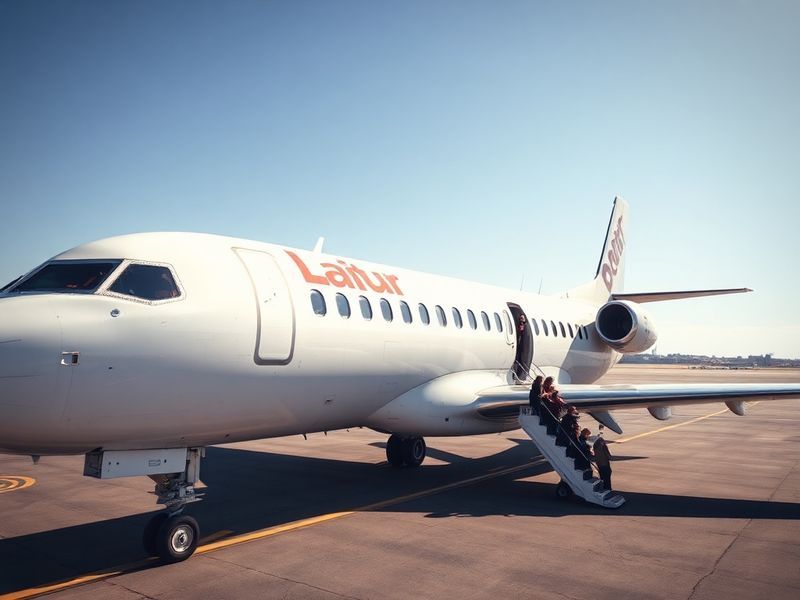
        <p>Low-cost carriers, often referred to as budget or no-frills airlines, operate on a business model that prioritizes cost efficiency above all else. Unlike traditional airlines, LCCs strip away many of the amenities that come standard with full-service carriers. This includes complimentary meals, checked baggage allowances, and premium seating options. Instead, they focus on providing a basic transportation service at a fraction of the cost.</p>

        <p>One of the most defining characteristics of LCCs is their point-to-point route structure. Unlike legacy airlines that often operate through hub-and-spoke systems, budget airlines typically fly directly between smaller airports, avoiding the high costs associated with major hubs. This allows them to reduce airport fees and streamline operations.</p>

        <p>Another key feature is the use of a single aircraft type. Many low-cost carriers, such as Southwest Airlines in the U.S. and Ryanair in Europe, operate fleets consisting entirely of one model, such as the Boeing 737 or Airbus A320. This simplifies maintenance, training, and inventory management, leading to significant cost savings.</p>

        <ul>
            <li><strong>No-frills service:</strong> Passengers pay only for the services they use, such as seat selection or checked baggage.</li>
            <li><strong>Point-to-point routes:</strong> Direct flights between secondary airports reduce overhead costs.</li>
            <li><strong>Single aircraft fleet:</strong> Uniformity in aircraft type lowers maintenance and operational expenses.</li>
            <li><strong>Rapid turnaround times:</strong> Quick boarding and disembarking processes maximize aircraft utilization.</li>
        </ul>

        <h2>The Economic Impact of Low-Cost Carriers</h2>

        <p>The proliferation of low-cost carriers has had a profound impact on the global economy. By making air travel more affordable, LCCs have stimulated tourism in regions that were previously underserved by traditional airlines. This has led to job creation in sectors such as hospitality, transportation, and retail, particularly in secondary cities and rural areas.</p>

        <p>In Europe, for example, budget airlines like Ryanair and easyJet have played a crucial role in boosting tourism to destinations such as Portugal, Italy, and Eastern Europe. These regions, which might not have been major travel hubs otherwise, now benefit from increased visitor numbers, driving economic growth. Similarly, in the U.S., carriers like Spirit Airlines and Frontier Airlines have made domestic travel more accessible to middle- and lower-income families.</p>

        <p>The economic benefits extend beyond tourism. Low-cost carriers have also facilitated business travel, enabling small and medium-sized enterprises to expand their operations without the prohibitive costs of traditional airlines. This has leveled the playing field, allowing smaller businesses to compete more effectively in regional and international markets.</p>

        <h2>Challenges and Criticisms Facing Low-Cost Carriers</h2>

        <p>Despite their many advantages, low-cost carriers are not without their challenges and criticisms. One of the most common complaints from passengers is the prevalence of hidden fees. While base fares may appear low, additional charges for baggage, seat selection, and even printing a boarding pass can quickly add up, sometimes rivaling the cost of a ticket on a full-service airline.</p>

        <p>Another significant issue is the perception of poor customer service. Budget airlines are often criticized for their strict policies regarding cancellations, delays, and customer support. Unlike legacy airlines, which may offer more flexibility and compensation for disruptions, LCCs typically adhere to rigid terms and conditions, leaving passengers with little recourse in the event of a problem.</p>

        <p>Operational challenges also pose risks to low-cost carriers. Their reliance on secondary airports can sometimes lead to issues with accessibility, particularly for passengers with mobility concerns or those traveling with young children. Additionally, the high turnover of flights and tight scheduling can result in delays and cancellations, which can be particularly frustrating for travelers.</p>

        <p>Environmental concerns have also been raised about the sustainability of low-cost carriers. While they have made air travel more accessible, the sheer volume of flights operated by LCCs has contributed to increased carbon emissions. Some critics argue that the industry needs to adopt more sustainable practices, such as investing in newer, more fuel-efficient aircraft or exploring carbon offset programs.</p>

        <h2>The Future of Low-Cost Carriers</h2>

        <p>The future of low-cost carriers looks promising, but it is not without its uncertainties. As fuel prices fluctuate and environmental regulations tighten, LCCs will need to adapt to remain competitive. One potential solution is the adoption of sustainable aviation fuels (SAFs) and more efficient aircraft designs, which could help reduce their carbon footprint while maintaining affordability.</p>

        <p>Technological advancements are also playing a role in shaping the future of budget airlines. The rise of digital platforms and mobile apps has made it easier for passengers to book flights, manage their bookings, and access customer support. This has streamlined operations for LCCs and improved the overall travel experience for customers.</p>

        <p>However, the industry faces challenges from rising operational costs, including airport fees, labor expenses, and regulatory compliance. To counteract these pressures, some low-cost carriers are exploring new revenue streams, such as partnerships with hotels, car rental companies, and travel insurance providers. This diversification could help offset the decline in base fares and provide additional value to passengers.</p>

        <p>Another trend to watch is the increasing competition between low-cost carriers and traditional airlines. Many legacy carriers have launched their own budget subsidiaries or introduced no-frills services to compete with LCCs. This has blurred the lines between full-service and budget airlines, forcing both sides to innovate and adapt to changing consumer preferences.</p>

        <p>For travelers, the future of low-cost carriers means more options and potentially even lower fares. However, it also means navigating a more complex landscape of fees, policies, and service offerings. As the industry evolves, passengers will need to stay informed and make choices that align with their travel priorities and budgets.</p>

        <h2>Conclusion: Weighing the Pros and Cons</h2>

        <p>Low-cost carriers have undeniably transformed the airline industry, making air travel more accessible and affordable for millions of people around the world. Their business models have forced traditional airlines to innovate and adapt, ultimately benefiting consumers. However, the trade-offs—such as hidden fees, strict policies, and environmental concerns—cannot be ignored.</p>

        <p>For budget-conscious travelers, LCCs offer an attractive option, provided they are willing to forgo some of the conveniences associated with full-service airlines. By carefully planning their trips and understanding the fine print, passengers can take advantage of the savings offered by budget airlines while minimizing potential headaches.</p>

        <p>As the industry continues to evolve, low-cost carriers will play an increasingly important role in shaping the future of air travel. Whether they can overcome the challenges ahead remains to be seen, but one thing is certain: their impact on the way we fly will be felt for years to come.</p>

        <p>For more insights into the travel industry and airline trends, visit our <a href="https://www.daveslocker.net/category/travel">Travel section</a>.</p>
    </article>