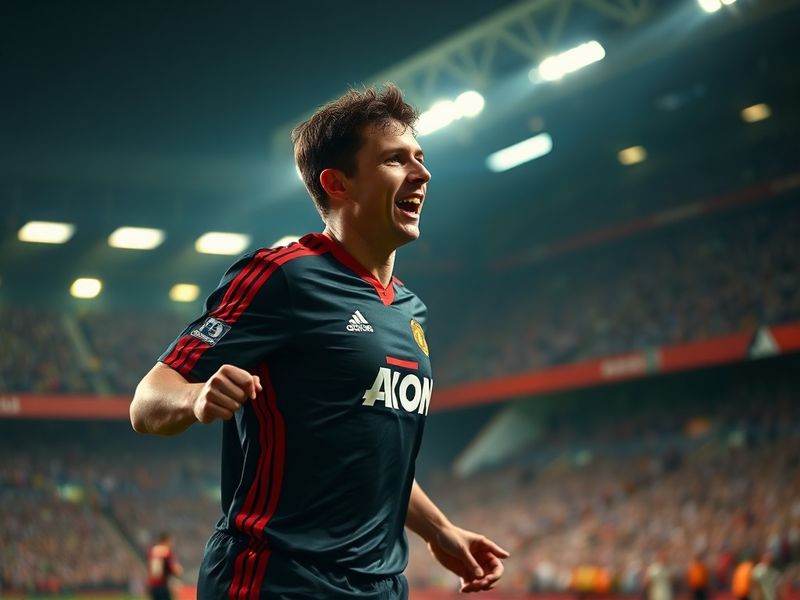
Few football clubs command the global recognition of Manchester United, and even fewer can claim such a rich history of iconic kits. The Red Devils’ shirts are more than just sporting attire; they are symbols of triumph, tradition, and transformation. From the humble beginnings of Newton Heath to the modern era of sleek, performance-driven designs, United’s football shirts have evolved alongside the club’s storied journey.
The significance of these shirts extends beyond the pitch. They represent a legacy of success, a connection to generations of fans, and a canvas for innovation. Whether it’s the classic 1990s strip worn by the likes of Cantona and Giggs or the contemporary designs featuring advanced fabric technology, each iteration tells a story. This article explores the evolution of Manchester United’s football shirts, their cultural impact, and what the future holds for the club’s iconic kits.
The Early Years: Humble Beginnings and the Birth of a Tradition
When Newton Heath Football Club—Manchester United’s predecessor—played their first recorded match in 1880, their kit was a far cry from the sleek designs we recognize today. The original strip featured a kit of green and gold hoops, a far cry from the red that would later become synonymous with the club. It wasn’t until 1902, when the club was renamed Manchester United, that the familiar red and white colors began to take shape.
The early 20th century saw United adopt a predominantly red shirt, though the exact shade and design varied. By the 1920s, the club had settled on a red shirt with white shorts and black socks, a combination that would become a staple. However, it wasn’t until the 1950s, under the management of Matt Busby, that the kit began to take on a more defined identity. The Busby Babes era introduced a cleaner, more modern look, setting the stage for the club’s future successes.
These early designs may lack the technical sophistication of modern kits, but they carry a charm that resonates with long-time supporters. They represent an era when football was simpler, and the connection between club and community was unbreakable. The evolution from Newton Heath’s green and gold to Manchester United’s red is a testament to the club’s resilience and adaptability.
The Golden Era: Iconic Kits and Unforgettable Moments
The late 1990s and early 2000s marked Manchester United’s golden era, both on and off the pitch. During this time, the club’s football shirts became cultural icons, worn by legends like Eric Cantona, David Beckham, and Ryan Giggs. The 1996-97 home kit, featuring a simple red shirt with a white collar and black Adidas stripes, is one of the most recognizable in football history. It was worn during the Treble-winning season, a campaign that cemented United’s place in footballing folklore.
The away kits of this era also left a lasting impression. The 1995-96 away strip, with its black shirt and gold trim, was particularly striking. It was worn during the FA Cup final victory over Liverpool, a match that saw Eric Cantona score the winning goal. These kits weren’t just clothing; they were symbols of triumph and unity.
The 2000s saw the introduction of the iconic white away kit, often referred to as the “champions kit” due to its association with United’s dominance in the Premier League and Champions League. This kit was worn during some of the club’s most memorable victories, including the 2008 Champions League final against Chelsea. The simplicity of the design, combined with the club’s success, made it a fan favorite.
These kits transcended football. They became fashion statements, worn by celebrities and fans alike. The red shirt, in particular, became a global symbol of excellence and ambition. It wasn’t just a uniform; it was a badge of honor.
Key Features of the Golden Era Kits
- 1996-97 Home Kit: Red shirt with white collar, black Adidas stripes, and white shorts. Worn during the Treble-winning season.
- 1995-96 Away Kit: Black shirt with gold trim, black shorts, and black socks. Featured in the FA Cup final victory over Liverpool.
- 2000s Away Kits: White shirts with black trim, often paired with black shorts. Associated with United’s dominance in the Premier League and Champions League.
Modern Innovations: Technology Meets Tradition
The past two decades have seen Manchester United’s football shirts evolve in ways that reflect the club’s global ambitions and the demands of modern football. Advances in fabric technology, sustainability, and design have transformed the kits from simple uniforms into high-performance athletic wear. Yet, despite these changes, the club has managed to retain the essence of its traditional identity.
In 2015, United signed a record-breaking deal with Adidas, worth £750 million over 10 years. This partnership allowed for a new wave of innovation, including the introduction of moisture-wicking fabrics, ergonomic fits, and sustainable materials. The 2016-17 home kit, for example, featured a lightweight, breathable fabric that enhanced player performance while maintaining the classic red design.
Sustainability has also become a key focus. In recent years, United has introduced kits made from recycled materials, reducing the environmental impact of production. The 2020-21 home kit, for instance, was made from 100% recycled polyester, a move that aligns with the club’s commitment to sustainability. This shift reflects a broader trend in football, where clubs are increasingly aware of their environmental footprint.
Another notable innovation is the introduction of smart fabrics. Modern United shirts are designed to regulate body temperature, reduce sweat, and even monitor player performance. These advancements may not be visible to fans, but they represent a significant evolution in football kit design. They demonstrate how tradition and technology can coexist, ensuring that United’s shirts remain at the cutting edge of innovation.
The Cultural Impact: More Than Just a Shirt
Manchester United’s football shirts are more than just sporting attire; they are cultural artifacts. They have been worn by legends, celebrated in music and film, and collected by fans around the world. The red shirt, in particular, has become a symbol of excellence, ambition, and resilience.
For generations of fans, wearing a United shirt is a rite of passage. It represents a connection to the club’s history, its values, and its global community. Whether it’s a vintage 1970s shirt or a modern replica, each piece tells a story. It’s a way for fans to express their identity, their loyalty, and their passion for the club.
The shirts have also made their mark in popular culture. From the iconic red shirt worn by David Beckham in the 1999 Treble-winning season to the modern designs featured in music videos and films, United’s kits have transcended football. They are symbols of success, ambition, and global appeal.
Moreover, the shirts have become a lucrative commodity. The global merchandise market for football shirts is worth billions, with United consistently ranking among the top-selling clubs. This commercial success is a testament to the club’s global reach and the enduring appeal of its kits. For many fans, owning a United shirt is not just a fashion statement; it’s an investment in the club’s legacy.
The Global Appeal of Manchester United’s Shirts
- Fan Identity: Wearing a United shirt is a way for fans to express their identity and connection to the club.
- Cultural Symbol: The red shirt has become a symbol of excellence, ambition, and resilience, transcending football.
- Commercial Success: United’s shirts are among the best-selling in the world, reflecting the club’s global appeal.
- Innovation: Modern kits incorporate advanced fabric technology, sustainability, and smart fabrics, ensuring they remain at the cutting edge.
Looking Ahead: The Future of Manchester United’s Football Shirts
The future of Manchester United’s football shirts promises to be as dynamic as the club’s history. With advancements in technology and sustainability, the kits of tomorrow will likely be even more innovative and eco-friendly. The club’s global ambitions will also shape the design and distribution of its shirts, ensuring they remain relevant to fans around the world.
One area to watch is the continued integration of smart fabrics and performance-enhancing technologies. As football becomes more data-driven, the kits of the future may incorporate sensors to monitor player performance, hydration levels, and even injury risks. This could revolutionize the way players train and compete, while also providing fans with new insights into the game.
Sustainability will also remain a key focus. As climate change becomes an increasingly urgent issue, clubs like United have a responsibility to lead by example. Expect to see more kits made from recycled materials, as well as innovations in dyeing and manufacturing processes to reduce water usage and waste.
Finally, the cultural significance of United’s shirts will continue to evolve. As the club navigates a new era under different ownership and management, the kits will serve as a bridge between the past and the future. They will represent the club’s enduring legacy, its global ambitions, and its commitment to innovation.
For fans, the shirts will remain a symbol of pride, passion, and identity. Whether it’s a classic vintage design or a cutting-edge modern kit, each piece will tell a story. And as long as Manchester United exists, its shirts will continue to capture the imagination of fans around the world.
What to Expect in the Coming Years
- Smart Fabrics: Kits may incorporate sensors to monitor player performance and health.
- Sustainability: Increased use of recycled materials and eco-friendly manufacturing processes.
- Global Appeal: Continued focus on designing kits that resonate with fans worldwide.
- Innovation: Advances in fabric technology to enhance performance and comfort.
Manchester United’s football shirts are more than just a uniform; they are a legacy. From the humble beginnings of Newton Heath to the global phenomenon the club