Manchester United Football Shirt History, Design and Global Impact
“`html
The Manchester United Football Shirt: More Than Just a Kit
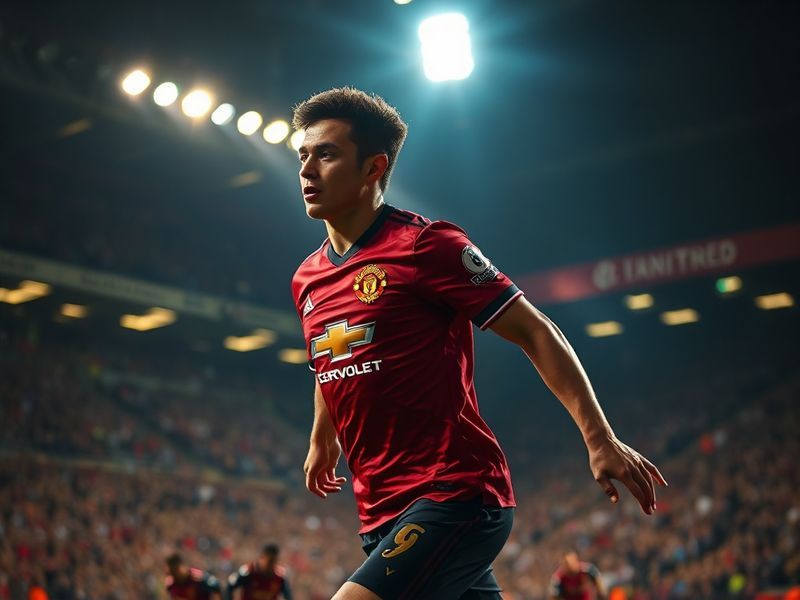
The Manchester United football shirt is one of the most recognizable sports uniforms in the world. Worn by legends like George Best, Eric Cantona, and Cristiano Ronaldo, the jersey transcends its function as mere sportswear. It represents a club with a history stretching back to 1878, a global fanbase that spans continents, and a cultural footprint that extends far beyond Old Trafford.
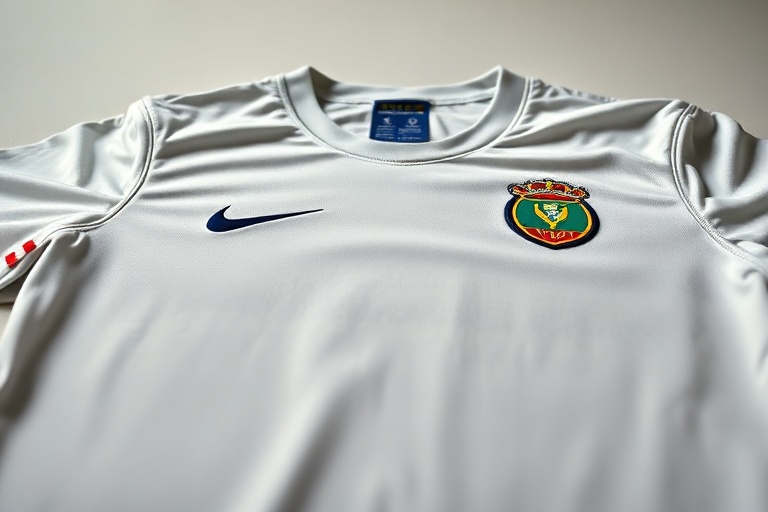
Design evolution has played a key role in the shirt’s iconic status. The classic red home kit, with its white detailing and club crest, has undergone subtle transformations over decades. Yet, it has always retained the essence that makes it instantly identifiable. Away kits and third strips have introduced bold patterns and vibrant colors, reflecting both fashion trends and commercial ambitions. These variations have allowed fans worldwide to express their allegiance in diverse ways, whether through the traditional red or the bold black and gold of recent seasons.
The Cultural Significance of the Shirt
The Manchester United shirt is more than a piece of clothing—it is a symbol of identity. For supporters, wearing the jersey is an act of pride, a connection to a global community that stretches from Manchester to Manila, from São Paulo to Sydney. The shirt has become a cultural artifact, worn not only at matches but also in everyday life, on street corners and in high-fashion boutiques alike.
This cultural reach is no accident. Manchester United has cultivated a brand that thrives on visibility and storytelling. The club’s global marketing strategy, particularly under the ownership of the Glazer family, has prioritized commercial growth. The football shirt serves as the primary vehicle for this expansion. Each season, new designs are released with fanfare, often accompanied by promotional campaigns featuring players from around the world. This approach has turned the shirt into a year-round product, not just a seasonal one.
In countries like China, India, and the United States, where football is growing rapidly, the Manchester United shirt acts as a gateway to the sport. It introduces new fans to the club’s history and values. The shirt’s presence in these markets is often tied to broader initiatives, such as youth academies and digital engagement programs, which help embed the brand in local cultures.
Design and Innovation Behind the Kit
Modern football shirts are engineered for performance as much as they are designed for style. The Manchester United home shirt, for instance, utilizes Nike’s Dri-FIT technology, which wicks moisture away from the body to keep players cool and dry. The lightweight fabric is also designed to reduce air resistance, giving players a competitive edge. These technical features are often mirrored in the consumer versions, appealing to fans who want authenticity both on and off the pitch.
Design cycles now follow a predictable rhythm. Pre-season launches generate significant buzz, with teasers released through social media platforms like Instagram and TikTok. Limited-edition collaborations, such as those with streetwear brands or artists, have become increasingly common. These partnerships blend football culture with broader fashion trends, attracting new audiences who may not traditionally follow the sport.
- 2023/24 Home Kit: A return to the classic red with a tonal stripe design, reflecting a nod to tradition while incorporating modern fabric technology.
- 2023/24 Away Kit: A deep blue with black accents, inspired by the club’s 1968 European Cup victory, blending nostalgia with contemporary style.
- 2023/24 Third Kit: A striking black and gold design, paying homage to the club’s heritage while appealing to a fashion-forward audience.
These kits are not just sold—they are experienced. Manchester United’s official store and global retail partners offer immersive shopping experiences, from augmented reality previews to exclusive in-store events. The digital integration ensures that fans can engage with the product long before it hits the shelves.
The Economic Impact of the Football Shirt
The football shirt is a major revenue driver for Manchester United. According to the club’s 2023 financial report, merchandise sales contributed over £100 million to annual revenue. This figure reflects not only kit sales but also associated products like training wear, scarves, and accessories. The shirt’s design and branding are central to this economic engine, making it a critical asset in the club’s commercial strategy.
The global appeal of the shirt also creates opportunities for licensing deals. Partner brands produce everything from children’s pajamas to high-end watches, all emblazoned with the club crest. These collaborations extend the shirt’s reach into non-sporting markets, reinforcing its status as a lifestyle product.
However, this commercial success is not without controversy. Critics argue that the increasing focus on merchandise and branding has diluted the club’s connection to its working-class roots. The rising cost of authentic kits—often priced between £80 and £120—has also sparked debates about accessibility. Some fans feel priced out of supporting their team authentically, turning instead to cheaper replicas or second-hand alternatives.
The Fan Experience: Wearing the Shirt
For supporters, the act of wearing the Manchester United shirt is deeply personal. It is a statement of loyalty, a badge of honor, and sometimes even a form of protest. During the club’s recent struggles on the pitch, some fans have worn their shirts as a defiant show of support, reclaiming the jersey as a symbol of identity rather than just a commercial product.
This emotional connection is evident in the secondary market, where vintage shirts from the 1990s and early 2000s can fetch hundreds of pounds. Items worn by legends like Ryan Giggs or Paul Scholes carry immense sentimental value, turning the shirt into a collector’s item. Online platforms like eBay and specialist retailers cater to this demand, offering everything from match-worn memorabilia to retro reproductions.
The shirt also plays a role in community building. Fan clubs worldwide organize viewing parties, pub gatherings, and even charity events centered around kit launches. The shirt becomes a conversation starter, a way to connect with fellow supporters across cultures and languages. In cities like Tokyo or Lagos, fans can spot each other in the streets, instantly forming a bond through shared allegiance.
Looking Ahead: The Future of the Manchester United Shirt
The next chapter for the Manchester United football shirt will likely be shaped by technology and sustainability. The club has already begun experimenting with eco-friendly materials, such as recycled polyester, in response to growing environmental concerns. Future kits may incorporate biodegradable fabrics or even smart textiles that monitor player performance in real time.
Digital innovation will also play a key role. Non-fungible tokens (NFTs) and blockchain-based collectibles are emerging as new ways to authenticate and trade shirts. While still in their infancy, these technologies could revolutionize how fans engage with the product, offering digital ownership alongside physical items.
As Manchester United navigates its next era—on and off the pitch—the football shirt will remain at the heart of its identity. Whether worn by a player on the field or a fan in a café halfway across the world, the jersey will continue to carry the weight of history, the thrill of competition, and the promise of a shared future.
For those looking to explore more about Manchester United and its global influence, the Sports section on Dave’s Locker offers deeper insights into the club’s evolving story. From tactical analysis to fan culture, the platform provides a comprehensive view of how one club’s identity is shaped—and shared—around the world.