March Madness: How a U.S. College Basketball Tournament Became a Global Sensation
“`html
March Madness: How a U.S. College Basketball Tournament Became a Global Sensation
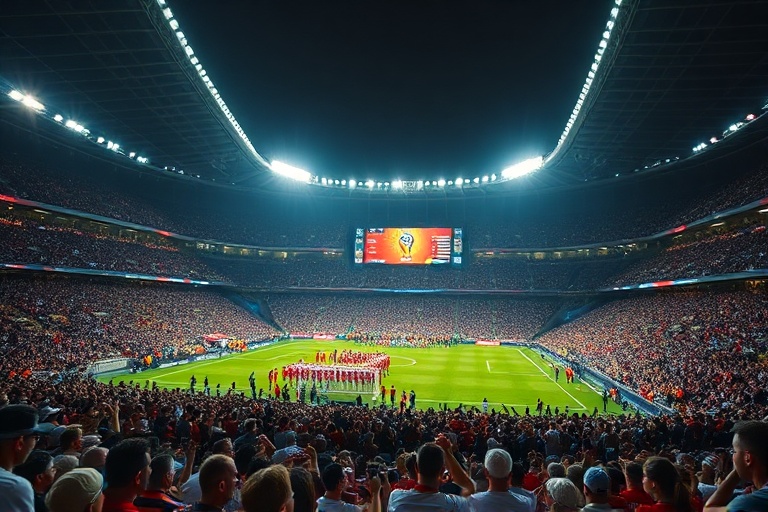
Every spring, a phenomenon sweeps across the United States, captivating millions of fans and drawing global attention. It’s not the NBA playoffs or the Super Bowl, but something uniquely American: March Madness. The NCAA Division I Men’s Basketball Tournament has evolved from a modest regional competition into a cultural juggernaut, blending sports, entertainment, and tradition in ways few sporting events can match.
What began in 1939 as an eight-team invitational has grown into a 68-team spectacle watched by over 10 million people in person and hundreds of millions more on television and streaming platforms. The tournament’s appeal transcends basketball. It’s a social event, an office tradition, and a global export that has reshaped how fans engage with college sports.
The Origins and Evolution of March Madness
The term “March Madness” was first used in 1939 by Illinois high school official H.V. Porter in a poem describing the state’s basketball tournament. The phrase later became synonymous with the NCAA tournament, officially adopted in 1982 after decades of informal use. The tournament’s early years were modest, with small venues and limited media coverage. Yet, its format—single-elimination, high stakes, and unpredictable outcomes—created an electric atmosphere that fans couldn’t resist.
By the 1980s, television broadcasts brought March Madness into living rooms across America. CBS’s partnership with the NCAA transformed the tournament into a prime-time spectacle. The introduction of the “Final Four” branding in 1978 and later the expansion to 64 teams in 1985 fueled its growth. Today, the tournament spans three weeks, with “Selection Sunday” marking the official unveiling of the bracket—a moment now celebrated with parties and live broadcasts watched by millions.
A Global Phenomenon with Local Roots
While March Madness is deeply rooted in American college sports culture, its influence has spread internationally. The NCAA has actively promoted the tournament abroad, hosting games in neutral sites like London, Paris, and Mexico City. International players, such as Nigeria’s Victor Oladipo or Canada’s Andrew Wiggins, have become stars in the tournament, drawing global audiences.
In countries like Canada, the Philippines, and parts of Europe, fans have embraced March Madness as part of their sports calendar. The rise of streaming services has made it easier for international viewers to follow every game. Social media amplifies the excitement, with fans worldwide creating brackets, sharing highlights, and debating upsets in real time.
- United States: The epicenter of March Madness, where office pools, school spirit, and alumni pride drive engagement.
- Canada: A growing fanbase, with Canadian players making deep tournament runs and local broadcasts gaining traction.
- Philippines: One of the most passionate international markets, thanks to a strong basketball culture and historic ties to U.S. sports.
- Europe: Emerging interest, particularly in countries with NCAA broadcasts and digital platforms like DAZN and ESPN.
The Cultural Impact of March Madness
March Madness is more than a tournament—it’s a cultural institution. The phrase has entered the American lexicon, describing any chaotic or unpredictable situation. The tournament’s influence extends beyond sports into business, media, and even politics. Companies launch marketing campaigns around the event, while politicians often reference it in speeches to connect with voters.
The “office pool” tradition is a prime example of how March Madness bridges sports and social life. Millions of Americans fill out brackets, competing for bragging rights or cash prizes. The NCAA estimates that over 60 million brackets are filled out each year, making it one of the largest informal competitions in the world. The rise of online platforms like ESPN and Yahoo has made it easier than ever to participate, turning bracketology into a year-round obsession for some.
From Cinderellas to Champions: The Magic of Upsets
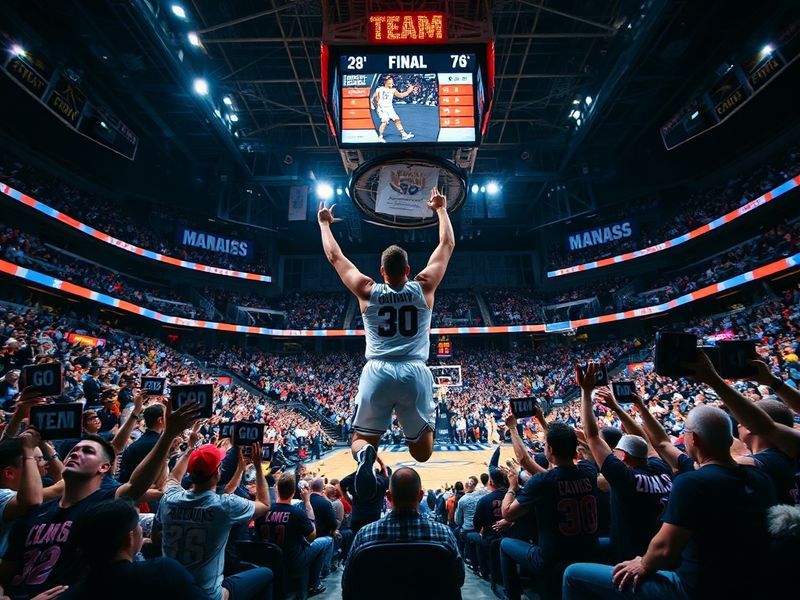
Few sporting events thrive on unpredictability like March Madness. The tournament’s single-elimination format ensures that every game could be the last for a team, creating drama that keeps fans on the edge of their seats. Underdog stories—like Lehigh’s 2012 upset of Duke or Norfolk State’s 2012 win over Missouri—become legends, fueling the tournament’s reputation as a breeding ground for miracles.
These upsets are more than just wins; they’re cultural moments. They inspire communities, unite fans, and sometimes even change the trajectory of college basketball programs. For smaller schools, a deep tournament run can mean increased visibility, recruiting advantages, and financial boosts. Programs like George Mason in 2006 and Loyola-Chicago in 2018 became household names overnight, thanks to their tournament runs.
The Business of March Madness
March Madness is a multi-billion-dollar industry. The NCAA generates over $1 billion annually from the tournament, primarily through television rights, sponsorships, and ticket sales. CBS and Turner Sports pay $8.8 billion for the broadcast rights through 2032, making it one of the most valuable sports properties in the world.
Sponsorships play a huge role in the tournament’s economics. Brands like Coca-Cola, AT&T, and Capital One invest heavily in March Madness campaigns, associating themselves with excitement and unpredictability. The NCAA’s revenue-sharing model with conferences and schools has transformed college athletics, funding scholarships, facilities, and other programs.
For advertisers, the tournament is a goldmine. The “Big Dance” attracts a diverse audience, including younger viewers who are harder to reach through traditional TV. Social media engagement spikes during the tournament, with brands leveraging hashtags, memes, and interactive content to connect with fans.
Controversies and Challenges
Despite its success, March Madness faces ongoing debates. The NCAA’s amateurism model has come under scrutiny, with critics arguing that student-athletes should be compensated for their contributions. Lawsuits, such as the O’Bannon case, have forced the organization to reconsider its policies, leading to changes like the NIL (Name, Image, Likeness) rules that allow athletes to profit from their fame.
Another challenge is the tournament’s expansion. Critics argue that adding more teams dilutes the quality of play and stretches the schedule too thin. Others worry about the commercialization of college sports, with increasing pressure to prioritize entertainment over education. The NCAA has attempted to address these concerns by adjusting formats, such as introducing the “First Four” play-in games to include lower-seeded teams.
Why March Madness Endures
At its core, March Madness endures because it captures the essence of competition: hope, heartbreak, and everything in between. It’s a celebration of amateur athleticism, where players—many of whom will never play professionally—compete with passion and pride. The tournament’s traditions, from the buzzer-beaters to the post-game interviews, create a shared experience that transcends generations.
For fans, March Madness is a ritual. It’s the chance to support their alma maters, discover new teams, and revel in the chaos of the bracket. For players, it’s the pinnacle of their college careers, a stage where legends are made. And for the NCAA, it’s a cornerstone of its brand, a revenue engine, and a global ambassador for college sports.
As the tournament continues to evolve, one thing remains certain: March Madness is more than a sporting event. It’s a cultural touchstone, a business powerhouse, and a testament to the enduring appeal of competition. Whether you’re a die-hard fan or a casual observer, the madness of March is something worth experiencing.
For those looking to dive deeper into college sports and the broader sports landscape, explore our Sports category for more insights and analysis.