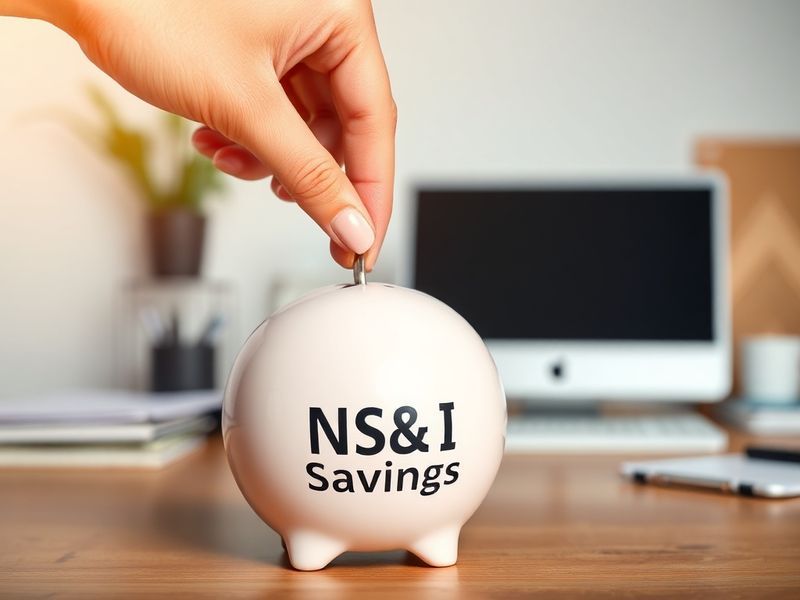
National Savings and Investments (NS&I) recently announced a significant increase to its savings rates, marking one of the most notable adjustments in the UK’s savings landscape this year. The move arrives amid shifting economic expectations and persistent inflation concerns, prompting savers to reassess their financial strategies. For many, this rate adjustment could mean tangible improvements in returns, but the broader implications extend beyond individual accounts.
The decision reflects the broader trend of financial institutions recalibrating deposit rates in response to Bank of England policy shifts and market conditions. With inflation remaining stubbornly above target, savers face a dual challenge: preserving the real value of their money while seeking competitive returns. NS&I’s latest adjustment signals a proactive stance in addressing these concerns, though its impact will depend on individual circumstances and alternative savings options.
Why NS&I Raised Its Savings Rates
NS&I’s rate increase isn’t happening in isolation. The organization, backed by the UK government, operates under a unique mandate to attract savers while managing the cost of financing public debt. This dual objective often leads to strategic rate adjustments that balance consumer appeal with fiscal responsibility. Recent economic signals, including cooling inflation and expectations of Bank of England rate cuts, likely influenced the timing of this move.
Analysts suggest several key factors behind the decision:
- Inflationary pressures: Even as headline inflation eases, savers remain wary of eroding purchasing power. Higher rates offer a partial hedge against rising living costs.
- Competitive landscape: Traditional banks and building societies have been slow to pass on base rate cuts to savers. NS&I’s adjustment forces the industry to reconsider its own pricing strategies.
- Government objectives: As a state-backed institution, NS&I plays a role in supporting household savings behavior, particularly among risk-averse depositors.
While the rate hike may seem modest in percentage terms, its psychological impact could be substantial. For risk-averse savers, NS&I’s products often represent a safe harbor. The improved rates may encourage some to consolidate savings within NS&I’s guaranteed framework rather than exploring riskier investment avenues.
The Practical Impact on Savers
The immediate beneficiaries of NS&I’s decision are those with accounts directly affected by the rate change. Products such as the Premium Bonds, Direct Saver, and Income Bonds now offer more attractive returns, though the full extent of the increase varies by account type. For example, Premium Bonds’ prize rate has seen a slight adjustment, while fixed-rate savings bonds have experienced more pronounced increases.
To illustrate the potential gains, consider an individual with £20,000 in a Direct Saver account. Assuming a 0.5% rate increase, annual interest could rise by £100 before tax. While this may seem modest, it represents a meaningful boost for savers relying on steady, low-risk income streams. For retirees or those on fixed incomes, such increments can provide valuable breathing room in stretched household budgets.
However, the benefits aren’t universal. Savers must also consider:
- The tax implications of higher interest income, particularly for those with significant balances.
- Whether the improved rate surpasses inflation over the long term, ensuring real-term growth.
- The opportunity cost of locking funds into NS&I’s products versus alternative savings or investment vehicles.
For those considering a switch, it’s worth comparing NS&I’s offerings with high street alternatives. While NS&I provides security through its 100% government guarantee, some challenger banks now offer rates that rival or exceed NS&I’s improved terms. The key is balancing security with yield, a decision that depends on individual risk tolerance and financial goals.
Broader Implications for the Savings Market
NS&I’s rate adjustment has sent ripples through the savings market, prompting a reassessment of industry standards. Historically, NS&I’s moves have acted as a benchmark, forcing other providers to respond. This time, the response has been mixed. While some banks have followed suit with marginal increases, others have held firm, betting on customer inertia to retain deposits.
This divergence highlights a critical tension in the savings sector: the struggle between profitability and competitiveness. Banks, particularly those with weaker deposit bases, may resist rate hikes to protect margins. Conversely, institutions with surplus liquidity may see an opportunity to attract new customers through more generous terms. The net result is a fragmented landscape where savers must shop around to secure the best deals.
The implications extend beyond individual accounts. Higher savings rates could influence broader economic behavior. As savers earn more from deposits, consumer spending may see modest restraint, particularly among those relying on interest income. This dynamic could temper inflationary pressures if sustained over time, though the effect is likely to be modest compared to wage growth or energy prices.
For financial advisors, NS&I’s move underscores the importance of regular portfolio reviews. In an environment where rates can shift rapidly, passive savers risk leaving money on the table. The current adjustment serves as a reminder that even small rate changes, when applied to substantial balances, can yield significant cumulative benefits.
What Savers Should Do Next
In the wake of NS&I’s rate increase, savers face a strategic choice: stay put or seek better terms elsewhere. The decision hinges on several factors, starting with the size of the balance in question. For larger sums, even a 0.25% rate differential can translate to hundreds of pounds annually. Here’s a step-by-step approach to navigating the new landscape:
- Review your current holdings: Check which NS&I products are affected and by how much. Not all accounts will see the same increase.
- Compare alternatives: Use comparison sites to identify top-paying easy-access and fixed-rate accounts from other providers. Pay attention to introductory bonuses and withdrawal restrictions.
- Consider your tax position: Higher interest may push you into a new tax bracket. Use your Personal Savings Allowance (£1,000 for basic-rate taxpayers) efficiently.
- Evaluate your goals: Are you prioritizing liquidity, safety, or yield? Your objectives will dictate whether a quick switch is justified or if patience is warranted.
- Automate the process: Set calendar reminders to review rates annually. Financial providers rarely reward loyalty with the best rates.
For those hesitant to move funds, NS&I’s improved rates provide a compelling reason to consolidate savings. The convenience of a single provider, combined with the security of a government guarantee, can outweigh the marginal gains offered by niche accounts. However, this approach should be balanced against the potential benefits of diversification across multiple institutions.
Ultimately, NS&I’s rate adjustment is a reminder that savers must remain vigilant. In a market where inertia often trumps optimization, proactive steps can yield meaningful rewards. Whether you choose to stay with NS&I or explore other options, the key is to make an informed decision based on your unique financial circumstances.
The savings landscape is evolving, and NS&I’s latest move is just one chapter in a broader story of economic adjustment. By staying informed and adaptable, savers can navigate these changes to their advantage, ensuring their money works as hard as possible in an uncertain world.
For more insights into financial trends and savings strategies, explore our Finance and News sections on Dave’s Locker.