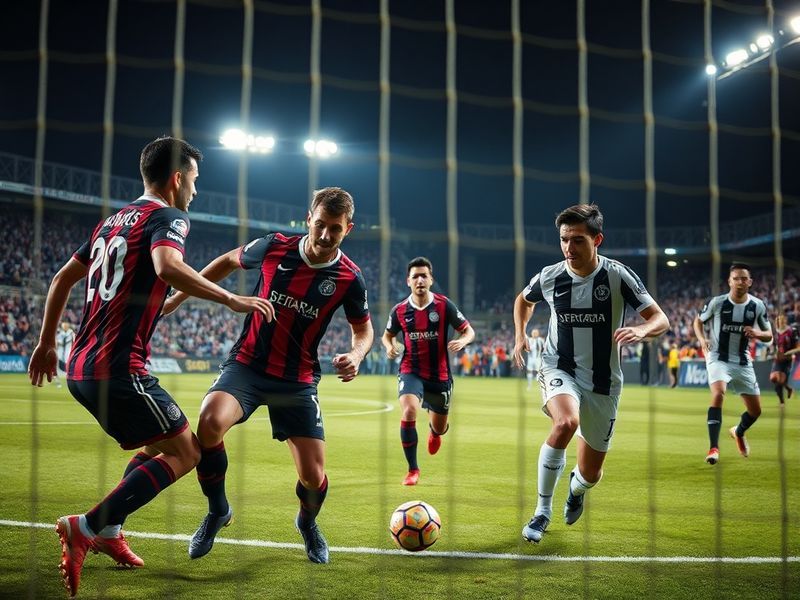
The matchup between Argentina’s San Lorenzo de Almagro and Brazil’s Santos FC represents more than just a South American football rivalry. It’s a collision of contrasting football philosophies, cultural identities, and historical narratives that have shaped the sport across borders. San Lorenzo, born in the working-class neighborhoods of Buenos Aires, embodies the raw passion and resilience of Argentine football. Santos, with its storied history and global appeal, reflects Brazil’s flair, creativity, and emphasis on technical excellence.
These two clubs have met sporadically over the decades, but when they do, the games often transcend sport. They become cultural exchanges—where Argentine intensity clashes with Brazilian artistry, and tactical discipline meets improvisation. The rivalry isn’t defined by geographical proximity but by a shared reverence for the game’s soul. Both clubs have produced legends who have left indelible marks on football history, further deepening the significance of their encounters.
The Historical Context: Two Clubs, Two Continents
San Lorenzo de Almagro was founded in 1908 in the Boedo district of Buenos Aires, a neighborhood known for its working-class roots and vibrant cultural scene. The club quickly became a symbol of Argentine football’s emotional connection to its people. Its most famous supporter, Pope Francis, has often spoken about his lifelong affiliation with San Lorenzo, highlighting the club’s deep cultural resonance in Argentina.
Santos FC, on the other hand, was established in 1912 in the coastal city of Santos, Brazil. It rose to prominence in the 1950s and 1960s, thanks in large part to the genius of Pelé, who led the club to two Copa Libertadores titles and two Intercontinental Cups. Santos became synonymous with Brazilian football’s creativity and attacking prowess, a reputation that endures to this day.
While San Lorenzo’s identity is tied to Argentina’s football soul, Santos represents Brazil’s global footballing influence. Their encounters, though infrequent, carry the weight of this legacy. Each match is a reminder of how football can bridge—or highlight—the differences between two of South America’s most passionate football cultures.
Key Moments in Their Rivalry
The history between San Lorenzo and Santos is sparse but memorable. Their most notable meetings came in the 1960s and 2000s, during periods when both clubs were competing at the highest level of South American football. Below are some of the most significant moments in their rivalry:
- 1963 Copa Libertadores: Santos defeated San Lorenzo 3-2 on aggregate in the semifinals, en route to winning the tournament. Pelé scored twice in the second leg, showcasing the Brazilian maestro’s dominance.
- 2004 Copa Sudamericana: San Lorenzo eliminated Santos in the early rounds, a result that surprised many given Santos’ pedigree. San Lorenzo’s defensive discipline and counterattacking style frustrated Santos’ creative players.
- 2010s Friendly Matches: In a series of exhibition games, both clubs displayed their contrasting styles—San Lorenzo’s physicality against Santos’ technical passing game. These matches often served as cultural exchanges for fans from both countries.
- 2019 Copa Libertadores: The clubs met again in the group stage, with Santos emerging victorious. The match was a tactical battle, with Santos’ midfield control overshadowing San Lorenzo’s attempts to impose their style.
These encounters highlight the tactical and cultural differences between the two clubs. San Lorenzo’s approach often relies on physicality, pressing, and direct play, while Santos favors possession, fluid movement, and individual brilliance. When these styles collide, the result is a fascinating tactical chess match.
Tactical Analysis: Contrasting Philosophies
The tactical battle between San Lorenzo and Santos is a study in contrasts. San Lorenzo, under managers like Edgardo Bauza and Jorge Almirón, has often employed a 4-3-3 or 4-4-2 formation that prioritizes defensive solidity and quick transitions. The team’s strength lies in its ability to absorb pressure and exploit counterattacking opportunities, a hallmark of Argentine football.
Santos, meanwhile, has traditionally favored a more fluid and technical style. Under managers like Dorival Júnior and Cuca, Santos has experimented with a 4-2-3-1 formation that allows its attacking midfielders—such as Carlos Sánchez and Marinho—to dictate play. The Brazilian club’s emphasis on possession and creativity reflects the influence of players like Neymar and Robinho, who honed their skills in Santos’ youth academy.
When these two philosophies clash, the match often becomes a battle of wills. San Lorenzo’s physicality can disrupt Santos’ rhythm, while Santos’ technical superiority can expose gaps in San Lorenzo’s defense. The key to victory often lies in which team can impose its style on the game.
In recent years, both clubs have evolved. San Lorenzo has incorporated more possession-based elements into its game, while Santos has adopted a more direct approach in certain matches. This tactical flexibility adds another layer of intrigue to their encounters.
Cultural Significance: Beyond the Pitch
The San Lorenzo vs. Santos rivalry is more than a football match—it’s a cultural exchange. For Argentine fans, San Lorenzo represents the heart and soul of their football culture. The club’s working-class origins and its connection to neighborhoods like Boedo resonate deeply with fans who see themselves in the club’s struggles and triumphs.
For Brazilian fans, Santos is a symbol of footballing excellence and creativity. The club’s association with Pelé and its role in shaping Brazil’s footballing identity give it a global appeal. When Santos plays, it’s not just a club taking the field; it’s a legacy walking onto the pitch.
The cultural exchange extends beyond the players. Fans from both countries travel to support their teams, creating a vibrant atmosphere in stadiums. The chants, the colors, and the passion reflect the rich footballing traditions of Argentina and Brazil. In a continent where football is more than just a sport, these matches are celebrations of identity and heritage.
Looking Ahead: The Future of the Rivalry
As football continues to evolve, the San Lorenzo vs. Santos rivalry remains a reminder of the sport’s ability to transcend borders. With both clubs competing in continental tournaments like the Copa Libertadores, their paths could cross more frequently in the future. This would give fans more opportunities to witness the clash of these two footballing cultures.
For San Lorenzo, the challenge will be to maintain its identity while adapting to modern football’s demands. The club’s recent performances in the Copa Libertadores and domestic league have shown promise, but consistency remains a hurdle.
Santos, meanwhile, is rebuilding after a period of financial instability. The club’s focus on developing young talent through its renowned academy could lead to a resurgence in its fortunes. If Santos regains its status as a continental powerhouse, another chapter in this rivalry could unfold.
The next time San Lorenzo and Santos meet, it won’t just be a football match. It will be a cultural event—a celebration of two footballing worlds colliding. Whether it’s in Buenos Aires, Santos, or a neutral venue, the clash will once again remind us why football is more than a game.
For fans of both clubs, these matches are not just about winning or losing. They’re about pride, identity, and the enduring beauty of the sport.
Explore more sports stories on Dave’s Locker.
Discover cultural insights from around the world.