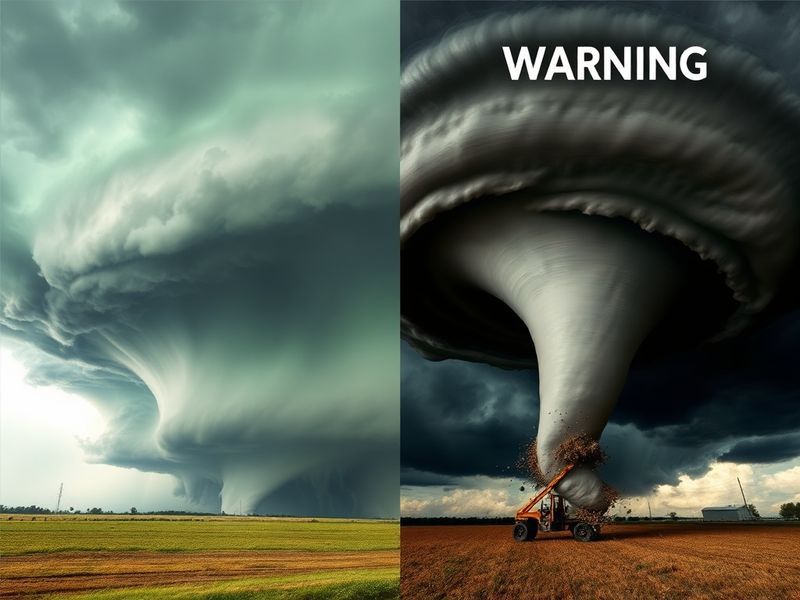
tornado watch vs warning
“`html
Tornado Watch vs Warning: What’s the Difference and Why It Matters
Severe weather can escalate quickly, leaving little time to react. Understanding the difference between a Tornado Watch and a Tornado Warning isn’t just about terminology—it’s about survival. These alerts are issued by the National Weather Service (NWS) to communicate risk levels, but their meanings and urgency levels are often misunderstood.
The distinction between the two is critical for anyone in tornado-prone regions, from the Great Plains to the Southeast. Misinterpreting them could lead to unnecessary panic or, worse, delayed action when seconds count. Here’s a breakdown of what each means, how they’re issued, and why they matter beyond just the weather report.
What Is a Tornado Watch?
A Tornado Watch is not a call to take immediate action. Instead, it signals that conditions are favorable for tornadoes to form. The NWS issues these watches when atmospheric conditions—such as instability, wind shear, and moisture—align in a way that could produce severe thunderstorms and, potentially, tornadoes. These watches typically cover large areas and can last for several hours.
Think of a Tornado Watch as a heads-up for residents to stay alert and prepare. It’s the NWS’s way of saying, “Pay attention. The ingredients for tornadoes are in place, and severe weather could develop.” The watch area might span multiple states, covering hundreds of miles. For example, a watch issued for Oklahoma might include parts of Texas, Kansas, and Arkansas.
During a Tornado Watch, experts recommend reviewing emergency plans, ensuring you have multiple ways to receive alerts (such as a weather radio or smartphone notifications), and identifying the safest place in your home or workplace to take shelter. It’s also a good time to check on neighbors, especially the elderly or those with disabilities who may need extra assistance.
Key Characteristics of a Tornado Watch
- Duration: Typically lasts 4 to 8 hours, sometimes longer.
- Geographic Scope: Covers large regions, often multiple counties or states.
- Purpose: Alerts the public to prepare for possible tornadoes.
- Action Required: Stay informed and ready to act if a warning is issued.
What Is a Tornado Warning?
A Tornado Warning is far more urgent. It means a tornado has been sighted or detected by radar, and immediate action is required. The NWS issues these warnings when a tornado is imminent or already occurring. Unlike a watch, a warning is localized, covering a specific county or even parts of a county. Warnings are typically issued for 30 minutes or less, giving residents a short window to seek shelter.
The shift from watch to warning is where preparation becomes critical. A warning means danger is imminent, and delays could be fatal. For instance, if a warning is issued for your neighborhood, you might have only minutes to reach a basement, interior room, or storm shelter. The NWS’s goal is to provide as much lead time as possible, but tornadoes can form and strike with terrifying speed.
Warnings are issued based on visual confirmation from trained spotters or advanced radar technology like Doppler, which can detect rotation in thunderstorms. When a warning is active, it’s essential to act immediately. Do not wait to see the tornado—if you’re in the warned area, assume it’s coming.
Key Characteristics of a Tornado Warning
- Duration: Usually lasts less than an hour, often 15 to 30 minutes.
- Geographic Scope: Targets a specific county or small region.
- Purpose: Warns of an immediate tornado threat.
- Action Required: Take shelter immediately and stay there until the warning expires or authorities confirm the threat has passed.
How to Respond When Alerts Are Issued
Knowing the difference between a watch and a warning is only half the battle—acting on that knowledge is what saves lives. When a Tornado Watch is issued, use the time to prepare. Gather essentials like a flashlight, first-aid kit, water, and a battery-powered weather radio. If you live in a mobile home or a structure without a basement, identify a nearby sturdy building where you can take shelter.
When a Tornado Warning is issued, time is of the essence. Move to the lowest level of your home, away from windows, and put as many walls as possible between you and the outside. If you’re outdoors, seek shelter in a sturdy building immediately. Vehicles and mobile homes are not safe during tornadoes—if you’re in one, abandon it and find a ditch or low-lying area to lie flat in, covering your head.
The NWS also recommends having multiple ways to receive alerts, as power outages or damaged infrastructure can disrupt traditional communication channels. Smartphone apps, NOAA weather radios, and community alert systems can provide critical updates when traditional methods fail.
Emergency Preparedness Checklist
- Before Storm Season: Create a family emergency plan and practice it regularly. Know where to go and how to communicate if separated.
- During a Watch: Review your plan, charge devices, and gather supplies. Stay near a safe shelter location.
- During a Warning: Act immediately. Do not wait for visual confirmation. Get to shelter and stay there until the warning expires.
- After the Storm: Be cautious of downed power lines, gas leaks, and unstable structures. Check on neighbors and avoid flooded roads.
The Broader Implications of Tornado Alerts
Beyond the immediate threat to life and property, tornado watches and warnings have significant societal and economic impacts. False alarms, while frustrating, are a necessary evil in severe weather forecasting. The NWS prioritizes saving lives over avoiding panic, which means warnings are often issued with a lower threshold for confidence. This can lead to “warning fatigue,” where residents become desensitized to alerts over time.
Communities with robust emergency management systems fare better during tornado outbreaks. Well-publicized drills, clear communication channels, and accessible storm shelters reduce casualties. For example, cities like Moore, Oklahoma, have invested in underground storm shelters and early warning systems after devastating tornadoes in 2013. These efforts have saved countless lives in subsequent storms.
The economic cost of tornadoes is staggering. In 2021 alone, tornadoes caused over $3 billion in damages in the U.S., according to NOAA. Insurance claims surge after major outbreaks, and rebuilding efforts can take years. Tornado watches and warnings help mitigate these losses by giving businesses and homeowners time to secure property and evacuate if necessary.
Technology is also changing how we respond to tornado alerts. Advances in radar and artificial intelligence are improving lead times, while social media platforms like Twitter and Facebook provide real-time updates from eyewitnesses and emergency services. However, misinformation can spread just as quickly, underscoring the importance of relying on official sources like the NWS.
How Technology Is Improving Tornado Alerts
- Dual-Polarization Radar: Provides more detailed information about storm structure, improving tornado detection.
- Phased-Array Radar: Scans storms faster than traditional radar, offering earlier warnings.
- AI and Machine Learning: Analyze atmospheric data to predict tornado formation with greater accuracy.
- Mobile Alerts: Geo-targeted warnings ensure only those in the path receive critical updates.
For those living in tornado alley or other high-risk areas, staying informed is a year-round responsibility. The off-season is the best time to prepare—review insurance policies, reinforce safe rooms, and ensure your family knows the drill. When a Tornado Watch or Warning is issued, every second counts.
Understanding the difference between these alerts isn’t just about weather literacy; it’s about survival. The next time the sky darkens and the alerts blare, you’ll know exactly what to do—and why it matters.
Further Reading
For more insights on severe weather preparedness, explore these resources:
- Dave’s Locker News for the latest updates on weather events and emergency response.
- Dave’s Locker Science for in-depth analysis of climate patterns and natural disasters.
—
METADATA
{
“title”: “Tornado Watch vs Warning: Key Differences and Why They Matter”,
“metaDescription”: “Learn the critical differences between a Tornado Watch and Warning, how to respond, and why these alerts are vital for survival.”,
“categories”: [“Science”, “News”],
“tags”: [“tornado safety”, “severe weather alerts”, “National Weather Service”, “emergency preparedness”, “tornado watch vs warning”],
“imageDescription”: “A split-image visual showing two contrasting scenes: the left side depicts a dark, stormy sky with a radar map indicating a Tornado Watch over a large region, while the right side shows a close-up of a tornado touching down with a Tornado Warning issued for a specific county. The mood is urgent and informative, with bold text overlaying each side to highlight the differences.”
}
—END METADATA—
“`