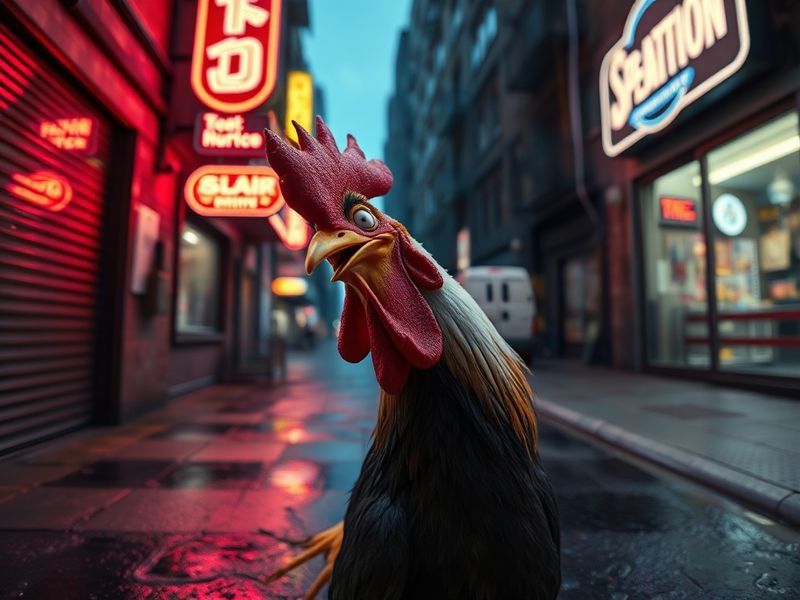
Rooster episodes have quietly become one of the most pervasive trends in digital entertainment. These ultra-short video segments—typically under 60 seconds—deliver self-contained stories with high emotional impact, often ending on a cliffhanger to encourage repeat viewing. While the format originated in Asia, it has since spread across platforms like TikTok, YouTube Shorts, and regional apps, reshaping how audiences consume narrative content.
The name “rooster episodes” comes from the idea of a “cock-a-doodle-doo” alarm clock: short, sharp, and impossible to ignore. Unlike traditional episodic storytelling, which builds over hours or days, these videos are designed for instant gratification. They thrive on repetition, meme culture, and shareability, turning viewers into an active, looping audience.
The Origins: From Asian Platforms to Global Virality
The rooster episode format first gained traction on Chinese platforms like Douyin (the domestic version of TikTok) and Kuaishou in the early 2020s. Creators began crafting 15-30 second cliffhangers—often romantic, dramatic, or darkly comedic—to hook users scrolling through endless content feeds. The format was ideal for mobile consumption: no prior context needed, no long-term commitment required.
By 2022, the trend had jumped to Southeast Asia, particularly on platforms like Moj and Josh in India, where creators adapted the format to local tastes—melodrama, folklore, and social satire proved especially popular. The Philippines and Indonesia became hotbeds for rooster-style storytelling, with creators weaving traditional narratives into bite-sized formats.
Western platforms initially dismissed the format as “too niche,” but by 2023, YouTube Shorts began promoting “Short Stories” channels, many of which mimicked the rooster episode structure. TikTok followed suit with its “Series” feature, allowing creators to monetize serialized micro-content. Today, rooster episodes are a global phenomenon, appearing in languages from Spanish to Hindi to Swahili.
Key Characteristics of Rooster Episodes
Rooster episodes share several defining traits that set them apart from traditional short-form or episodic content:
- Self-contained arcs: Each video tells a mini-story with a clear beginning, middle, and end—often within 30 seconds.
- Cliffhanger endings: The final frame typically ends on a moment of suspense, anger, or revelation to drive the next view.
- Repetition-driven engagement: Viewers rewatch to catch missed details or predict outcomes, boosting watch time.
- Low barrier to entry: No prior knowledge is needed; the story unfolds in real time.
- Meme and remix culture: Scenes are often clipped, re-edited, and shared as standalone memes outside the original context.
Cultural Variations: How Different Regions Adapt the Format
While the core concept remains consistent, local adaptations reflect cultural storytelling traditions and platform behaviors.
In South Korea, rooster episodes often take on a “webtoon-style” aesthetic, with vertical scrolling visuals and exaggerated expressions reminiscent of digital comics. Creators frequently use K-drama tropes—rich heiresses, secret affairs, and sudden betrayals—packed into 20-second bursts.
In Nigeria, the format has merged with Nollywood aesthetics. Many creators use dramatic lighting, fast cuts, and local dialects to tell stories of love, betrayal, and witchcraft. The result is a hybrid of African oral storytelling and TikTok virality.
In Brazil and Mexico, rooster episodes have become intertwined with music culture. Creators pair dramatic scenes with trending sertanejo or reggaeton tracks, creating a new form of visual mixtape. The cliffhangers often revolve around romantic tension or revenge, tapping into telenovela traditions.
In the Middle East, particularly in Egypt and Saudi Arabia, creators focus on family drama and social commentary. Rooster episodes tackle issues like arranged marriages, generational conflict, and economic hardship—all compressed into 45-second morality tales that resonate with young urban audiences.
Why Creators and Platforms Love Rooster Episodes
The rooster episode model is a win-win for creators and platforms alike. For creators, the format offers:
- Low production costs: Many videos are shot on phones with minimal editing, reducing overhead.
- High virality potential: Cliffhangers are inherently shareable, especially when users debate outcomes in comment sections.
- Monetization flexibility: Creators can monetize through ads, sponsorships, or platform bonuses tied to watch time.
- Algorithm-friendly: Platforms prioritize content with high replay rates and completion loops—exactly what rooster episodes deliver.
For platforms, rooster episodes solve a critical challenge: keeping users engaged in an attention economy where every second counts. Unlike long-form content, which risks losing viewers to distractions, rooster episodes are designed to be consumed in loops. This behavior increases watch time, ad impressions, and user retention—key metrics for social media companies.
Some platforms have even built features around the format. TikTok’s “Series” function allows creators to string rooster episodes into longer narratives, while YouTube Shorts has introduced “Episodic Shorts” playlists that group related clips together. This blurs the line between short-form and traditional TV, creating a new hybrid category.
The Future: Will Rooster Episodes Replace Traditional Storytelling?
While rooster episodes won’t replace novels or feature films, they represent a fundamental shift in how stories are told and consumed in the digital age. Their rise reflects broader changes in media habits: audiences now expect instant gratification, modular content, and participatory experiences.
One potential evolution is the integration of AI. Some creators are already experimenting with AI-generated rooster episodes—short, algorithmically tailored stories that adapt to viewer preferences in real time. Imagine a 30-second romance that changes its ending based on whether you’ve watched it before.
Another trend is the merging of rooster episodes with interactive formats. Platforms like Instagram’s “Reels” and Snapchat’s “Spotlight” are testing features that let viewers vote on story outcomes, turning passive viewers into co-creators. This could redefine fan engagement, especially in genres like mystery or thriller.
Critics argue that the format sacrifices depth for speed, reducing complex emotions to quick bursts of drama. But proponents counter that rooster episodes democratize storytelling, giving marginalized voices a platform to share stories in a format that resonates with younger, global audiences.
As platforms continue to prioritize short-form content, rooster episodes are likely here to stay. They may evolve into even shorter or more interactive forms, but their core appeal—immediate, repeatable, and shareable storytelling—will endure.
Conclusion: A New Chapter in Digital Storytelling
Rooster episodes are more than a passing trend; they are a symptom of how digital culture is reshaping narrative art. From alleyways in Lagos to high-rise apartments in Seoul, creators are using the format to tell stories that are intimate, urgent, and designed for the scroll.
They prove that great storytelling doesn’t require hours of runtime—sometimes, all it needs is a sharp ending, a memorable face, and a platform that rewards repetition. As algorithms grow smarter and attention spans grow shorter, rooster episodes may well become the dominant language of online drama.
For creators, the message is clear: if you want to be seen, make it short. Make it sharp. And most importantly—make it end with a question.