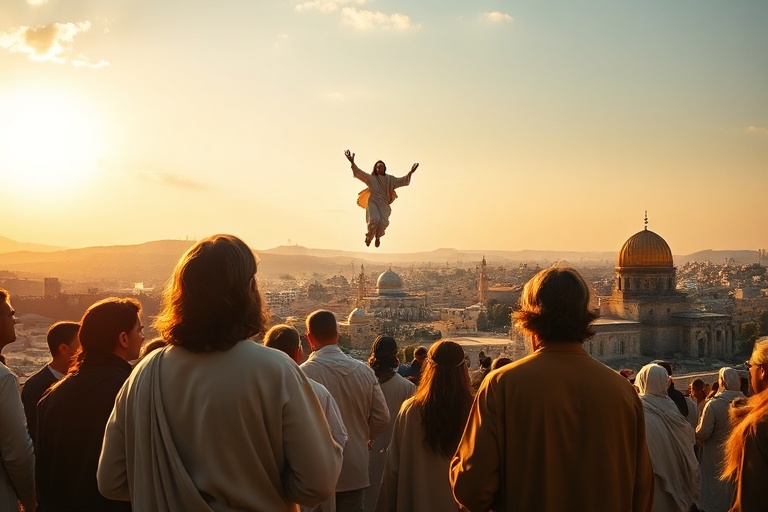
ahmadi religion of peace and light
“`html
Ahmadi Religion of Peace and Light: Origins and Global Presence
The Ahmadiyya Muslim Community represents a distinctive interpretation of Islam that emphasizes peace, education, and interfaith dialogue. Founded in the late 19th century by Mirza Ghulam Ahmad in Qadian, India, this movement has grown into a global religious organization with followers in over 200 countries. Its core teachings revolve around the belief in Mirza Ghulam Ahmad as the promised Messiah and Mahdi, a figure foretold in Islamic eschatology who would restore true Islam and bring spiritual revival.
Unlike mainstream Islamic denominations, the Ahmadiyya Community holds that religious figures like Jesus Christ did not die on the cross but migrated to India, where he lived until an old age. This belief, along with the Ahmadi emphasis on non-violence and active engagement with modern society, has set it apart within the Muslim world. The community’s motto, “Love for All, Hatred for None,” encapsulates its commitment to peaceful coexistence and humanitarian service.
Historical Origins and Foundational Teachings
Mirza Ghulam Ahmad was born in 1835 in Qadian, a small town in British-ruled India. His early life was marked by spiritual introspection and a search for religious truth. In 1889, he publicly declared himself as the promised Messiah and Mahdi, a claim that drew both followers and opposition. Ahmad argued that Islam had deviated from its original principles of peace and compassion, and that his mission was to revive its true spirit through divine revelation.
The Ahmadiyya movement was formally established in 1889 with Ahmad’s initiation of a pledge system, allowing individuals to formally join the community. His writings, including Barahin-i-Ahmadiyya and Tabligh al-Quran, laid the theological foundation for the movement. Ahmad emphasized the Quran as the ultimate source of guidance and rejected the idea that prophethood had ended with Muhammad, instead proposing that God continues to send reformers and divine messengers in every era.
One of the most controversial aspects of Ahmadi teachings is the belief that Jesus survived the crucifixion and traveled to Kashmir, where he lived until his natural death. This perspective is based on local traditions and texts like the Roza Bal shrine in Srinagar, which some Ahmadis consider Jesus’ final resting place. While this belief is not universally accepted within the Muslim world, it has contributed to the Ahmadiyya Community’s unique identity and spiritual narrative.
Core Beliefs and Distinct Doctrines
The Ahmadiyya Muslim Community’s theology is built on several key principles that distinguish it from other Islamic groups. Central to their belief is the concept of jihad as a spiritual struggle rather than a physical one. Ahmadis interpret Islamic teachings to prioritize moral and intellectual development over military conflict, advocating for non-violence and dialogue as means of spreading religious truth.
Another distinguishing feature is the Ahmadi belief in the continuity of divine revelation. While mainstream Islam holds that prophethood ended with Muhammad, Ahmadis argue that God continues to send reformers (mujaddids) and messianic figures to guide humanity. Mirza Ghulam Ahmad is seen as the first of these modern reformers, with subsequent leaders continuing his mission after his death in 1908.
The community places strong emphasis on the unity of God (tawhid) and the finality of Muhammad’s prophethood, but interprets these concepts in a way that allows for divine communication in later eras. This has led to both internal cohesion among Ahmadis and external criticism from other Muslim groups, who often accuse the movement of deviating from orthodox Islamic theology.
Ahmadis also prioritize education and self-improvement as acts of worship. The community established schools, hospitals, and humanitarian organizations worldwide, reflecting its commitment to serving humanity. Their emphasis on moral excellence and social responsibility aligns with broader humanitarian values, making the Ahmadiyya movement appealing to non-Muslims as well as Muslims.
Global Expansion and Community Structure
Following Mirza Ghulam Ahmad’s death, leadership of the Ahmadiyya Muslim Community passed to his successors, known as Khalifatul Masih (Successors of the Messiah). The current caliph, Mirza Masroor Ahmad, is the fifth in this lineage and has led the community since 2003. Under his guidance, the Ahmadiyya Community has expanded significantly, particularly in Africa, Europe, and Southeast Asia.
The community operates through a structured organizational system that includes local chapters, national assemblies, and an international headquarters in London. Each national community is governed by a council of elders, while local chapters focus on community outreach, education, and interfaith initiatives. This hierarchical structure has enabled the Ahmadiyya movement to maintain unity and coherence across diverse cultural contexts.
Ahmadis are known for their active participation in humanitarian efforts. The community’s charity arm, Humanity First, provides disaster relief, medical aid, and development projects in over 50 countries. Their approach to humanitarian work is rooted in Islamic principles of compassion and service, but it is delivered in a way that transcends religious boundaries, earning respect from international organizations and governments alike.
The Ahmadiyya Community also engages in extensive interfaith dialogue. Their annual Jalsa Salana (Annual Gathering) in the UK attracts thousands of attendees from different faiths, showcasing their commitment to peaceful coexistence. Leaders within the community frequently participate in global forums, advocating for religious tolerance and mutual understanding.
Challenges and Persecution
Despite its emphasis on peace, the Ahmadiyya Muslim Community has faced significant persecution, particularly in Muslim-majority countries. In Pakistan, Ahmadis are legally declared non-Muslims under the Second Amendment to the Constitution (1974), and their religious practices are heavily restricted. Ahmadis in Pakistan are barred from identifying as Muslims, proselytizing, or even using Islamic terminology in their prayers, leading to widespread discrimination and violence.
The persecution extends beyond legal restrictions. Ahmadis in Pakistan and other countries have been targeted in attacks by extremist groups, with hundreds killed in targeted assassinations and mosque bombings. The 2010 attacks on two Ahmadi mosques in Lahore, which killed over 80 worshippers, remain one of the deadliest incidents of sectarian violence in recent history. These attacks have forced many Ahmadis to flee their homes and seek asylum in other countries.
In response to persecution, the Ahmadiyya Community has emphasized resilience and non-retaliation. Their motto, “Love for All, Hatred for None,” is not just a slogan but a guiding principle in their response to adversity. Leaders like Mirza Masroor Ahmad have consistently called for dialogue and peaceful coexistence, even in the face of violent opposition.
International human rights organizations, including Amnesty International and the United Nations, have condemned the persecution of Ahmadis. However, progress has been slow, as governments in some Muslim-majority countries continue to uphold discriminatory laws. The Ahmadiyya Community’s experience highlights the broader challenges faced by religious minorities in regions where sectarian tensions run high.
Contributions to Modern Islamic Thought
Despite its challenges, the Ahmadiyya Muslim Community has made significant contributions to Islamic thought and global interfaith relations. Their emphasis on rational interpretation of scripture and openness to scientific inquiry has resonated with many modern Muslims seeking a dynamic and progressive understanding of their faith.
The community’s publications, including the Review of Religions and The Muslim Sunrise, have provided platforms for intellectual discourse on topics such as science, philosophy, and comparative religion. Ahmadis have also been active in academic circles, with many contributing to fields like Islamic studies, comparative theology, and peacebuilding.
One of the most notable contributions of the Ahmadiyya Community is its engagement with the concept of jihad. While mainstream Islamic discourse often associates jihad with military struggle, Ahmadis redefine it as a personal and collective effort to improve oneself and society. This interpretation aligns with modern human rights values and has influenced interfaith dialogues on the peaceful dimensions of Islamic teachings.
The Ahmadiyya Community’s approach to women’s rights is another area where they have made strides. Unlike many traditional Islamic interpretations, Ahmadis advocate for women’s education, leadership, and active participation in religious and social life. Their mosques, known as baitul Ahmads, are open to women, and female members of the community often hold leadership roles in educational and humanitarian initiatives.
While their interpretations remain controversial within mainstream Islam, the Ahmadiyya Community’s contributions to modern religious thought have earned them recognition as a progressive and forward-thinking movement. Their emphasis on peace, education, and interfaith dialogue offers an alternative vision of Islam that resonates with many seeking to reconcile faith with modernity.
Conclusion
The Ahmadiyya Muslim Community stands as a unique and often misunderstood movement within the broader Islamic landscape. Its emphasis on peace, education, and interfaith dialogue sets it apart, while its historical origins and distinct theological interpretations have sparked both admiration and controversy. Despite facing persecution in many parts of the world, the community has remained steadfast in its commitment to its principles, demonstrating resilience in the face of adversity.
As the Ahmadiyya Muslim Community continues to grow globally, its message of peace and unity offers a counterpoint to the sectarian divisions that plague many regions. Whether through humanitarian aid, interfaith dialogue, or intellectual contributions, the community’s impact extends far beyond its numbers. For those seeking an alternative vision of Islam—one that prioritizes compassion, reason, and service—the Ahmadiyya movement provides a compelling example of faith in action.
As the world becomes increasingly interconnected, the Ahmadiyya Community’s emphasis on dialogue and cooperation may offer valuable lessons for religious and secular communities alike. Their story is not just one of survival but of active engagement with the challenges of modernity, proving that even in the face of persecution, a commitment to peace and understanding can leave a lasting legacy.
—
METADATA
{
“title”: “Ahmadiyya Muslim Community: Peace, History, and Global Impact”,
“metaDescription”: “Discover the origins, beliefs, and global presence of the Ahmadiyya Muslim Community, a movement emphasizing peace and modern Islamic thought.”,
“categories”: [“Trending”, “Analysis”],
“