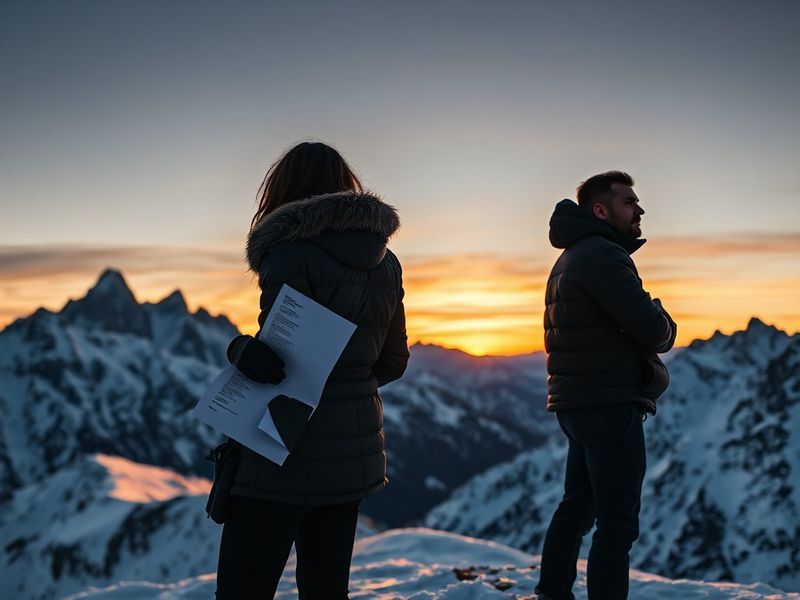
Alpine Divorce: The Hidden Crisis in Mountain Towns
“`html
Alpine Divorce: The Quiet Crisis in Mountain Towns
In the pristine mountain communities that dot the American West, a less visible trend has been unfolding. Often overshadowed by the allure of ski resorts, cozy lodges, and outdoor adventure, a growing number of couples in these high-altitude locales are quietly ending their marriages. Termed “alpine divorce,” this phenomenon reflects the unique pressures and lifestyle shifts that come with living in some of the most desirable—and demanding—places in the country.
These towns, which include Park City, Utah; Jackson Hole, Wyoming; and Telluride, Colorado, attract residents with promises of natural beauty, outdoor recreation, and a slower pace of life. Yet behind the scenic vistas and high-end real estate, many couples face challenges that strain even the strongest relationships. Financial strain, long-distance commutes, and social isolation often converge in ways that make marriage harder to sustain. Unlike more urbanized areas where divorce is openly discussed, the topic remains largely taboo in mountain enclaves, where image and community perception carry significant weight.
The Hidden Pressures Behind Alpine Divorce
One of the most pressing factors contributing to alpine divorce is the cost of living. Home prices in these mountain towns have skyrocketed, pricing out long-time residents and pushing couples into financial stress. Mortgages, property taxes, and the daily expenses tied to remote living add up quickly. When one or both partners commute long distances to jobs in distant cities, the strain on the relationship becomes even more pronounced.
For many, the dream of a mountain lifestyle comes with a harsh reality: long hours spent apart. A spouse may commute to Denver or Salt Lake City during the week, returning only on weekends. The resulting emotional distance can erode intimacy and shared purpose. Children, if present, often feel the ripple effects, with split custody arrangements complicating already fragile family structures.
The influx of remote workers and second-home owners has further complicated social dynamics. While these newcomers bring economic benefits, they also shift the cultural fabric of tight-knit communities. Longtime residents may feel sidelined, leading to resentment and marital tension. The pressure to maintain appearances—of success, stability, and belonging—can make couples less likely to seek help or admit struggles.
Who Is Most Affected?
The demographic most impacted by alpine divorce tends to be middle-aged couples in their 40s and 50s. Many moved to these areas in the 1990s and early 2000s, drawn by the promise of a balanced, outdoor-oriented life. Over time, however, the realities of seasonal work, tourism-dependent economies, and limited social services have taken their toll. Women in these communities often report feeling isolated, with fewer support networks than in urban areas. Men, too, face unique pressures tied to traditional gender roles and the expectation to be the primary breadwinner in an increasingly expensive environment.
Social Stigma and the Silence of Mountain Life
Divorce remains a sensitive topic in mountain towns, where community reputation is closely tied to family stability. The phrase “keeping up appearances” carries real weight. Many couples avoid public acknowledgment of marital problems, fearing judgment or gossip. Local churches, social clubs, and even schools often reinforce conservative values, making it difficult for individuals to seek support without fear of ostracization.
Therapists and counselors in these areas report that clients frequently downplay their struggles, framing marital issues as “just part of the lifestyle” or “something we’ll work through.” Yet, the lack of accessible mental health resources—especially outside resort towns—means many couples go without professional help until the situation becomes untenable.
This silence extends to legal proceedings as well. While divorce filings are public records, they are rarely discussed openly. Some residents choose to file in neighboring counties to avoid local scrutiny. The stigma is particularly acute for women, who may fear losing social standing or custody rights in a community where traditional family structures are idealized.
The Economic Ripple Effect on Mountain Communities
The rise in alpine divorce isn’t just a personal issue—it has broader economic implications for these towns. Real estate markets, already volatile, see increased inventory as homes are sold during separations. This can drive prices down in certain segments, affecting both buyers and sellers. Local businesses, from family-owned restaurants to boutique shops, often feel the impact when disposable income shifts from dual-income households to single-parent or split households.
Tourism-driven economies also face challenges. Divorce can lead to a decline in long-term residents, which in turn affects the labor pool for seasonal jobs. Some businesses report difficulty retaining staff as workers relocate in search of more affordable living arrangements. The loss of community cohesion can deter new businesses from opening, further constraining economic growth.
Yet, there are signs of change. A growing number of nonprofits and support groups are emerging to address the unique needs of mountain residents. Organizations like the Trending initiative on Dave’s Locker provide resources and community connections for those navigating divorce in remote areas. These efforts aim to break the silence and offer practical support, from financial planning to emotional counseling.
The Path Forward: Can Mountain Marriages Be Saved?
While alpine divorce reflects systemic challenges, it also highlights resilience within these communities. Some couples choose to stay, finding ways to rebuild their relationships through shared outdoor activities, therapy, or financial restructuring. The key often lies in redefining priorities—shifting from material success to quality of life, from isolation to connection.
For others, separation becomes a necessary step toward personal well-being. The decision to leave a mountain town is fraught with emotion, but for some, it offers a chance to start anew in a more affordable or supportive environment. Children, too, may benefit from a more stable living situation, even if it means leaving behind the scenic backdrop they once cherished.
Ultimately, alpine divorce underscores a broader truth: the places we love don’t always love us back in the ways we expect. The dream of mountain living can become a pressure cooker for relationships already under strain. Recognizing this reality is the first step toward building stronger communities—ones that support all residents, whether they’re married, divorced, or simply seeking a better life.
Resources for Those Affected
If you or someone you know is navigating divorce in a mountain community, consider reaching out to local support networks or counseling services. Financial advisors familiar with high-cost rural living can also provide guidance. For broader perspectives on relationship challenges in unique environments, explore resources on Dave’s Locker Analysis section.
Mountain towns will continue to attract dreamers and adventurers, but their sustainability depends on addressing the hidden crises beneath the surface. By acknowledging the realities of alpine divorce, these communities can foster environments where all residents—whether single, married, or separated—can thrive.