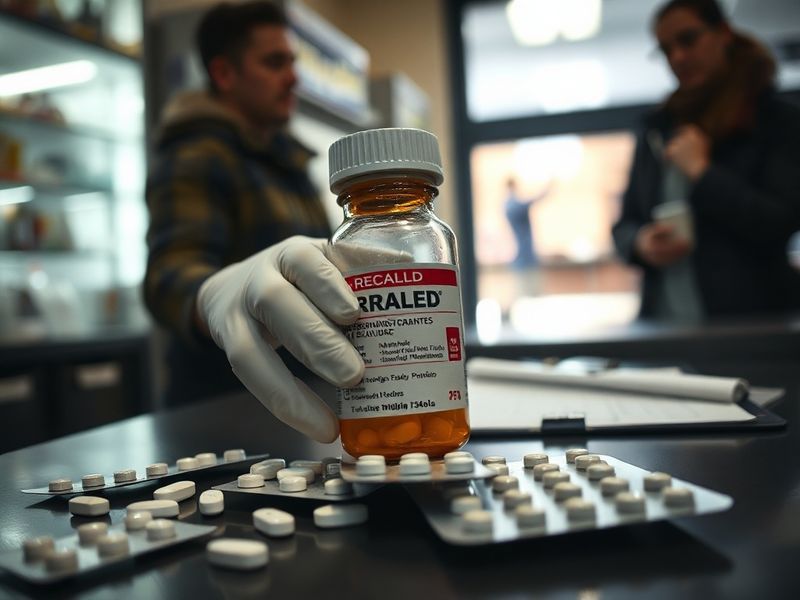
The recent wave of antidepressants recalls has sent ripples through global healthcare systems, leaving patients, doctors, and regulators scrambling for answers. These medications, often prescribed to millions worldwide for conditions like depression, anxiety, and PTSD, are now under scrutiny for potential quality control failures and safety risks. The recalls span multiple countries and involve several prominent pharmaceutical brands, raising critical questions about drug manufacturing standards and regulatory oversight.
At the heart of the issue is the reliability of these medications. Antidepressants are not merely pills; they represent a lifeline for individuals battling mental health challenges. When a recall occurs, it disrupts treatment plans, creates uncertainty, and in some cases, leaves patients without viable alternatives. The emotional and psychological toll of such disruptions cannot be overstated, particularly for those who depend on these drugs to function in daily life.
The Scope of the Problem: A Global Perspective
The recalls have not been isolated to one region. Instead, they reflect a systemic issue that transcends borders. In the United States, the FDA has issued multiple alerts regarding specific batches of antidepressants, including popular brands like Zoloft and Prozac. Meanwhile, in Europe, the European Medicines Agency (EMA) has flagged concerns over generic versions of these drugs, citing inconsistencies in active ingredient concentrations. In Asia, countries like India and Japan have also reported issues, with some manufacturers voluntarily halting production pending investigations.
What makes this situation particularly complex is the interconnected nature of the pharmaceutical supply chain. Many antidepressants are produced in bulk and distributed globally. A recall in one country can quickly ripple into shortages elsewhere, leaving healthcare providers scrambling to find substitutes. For patients, this means navigating a maze of insurance approvals, pharmacy delays, and potential changes in medication efficacy.
The recalls also highlight disparities in healthcare access. In countries with robust healthcare systems, patients may have alternatives or temporary solutions. However, in low-income nations, where mental health resources are already scarce, the impact of a recall can be devastating. Access to mental health care is fragile in many parts of the world, and disruptions like these threaten to undo progress made in recent years.
Why Are These Recalls Happening?
The reasons behind the recalls vary, but they generally fall into a few key categories. One of the most common issues is contamination. In some cases, foreign particles or chemicals have been found in the medication, posing potential health risks. For example, a recent recall of a generic version of bupropion in Canada was attributed to the presence of a mold contaminant in the packaging.
Another major concern is dosage inconsistencies. Regulatory agencies have flagged instances where the concentration of the active ingredient did not match what was listed on the label. This discrepancy can lead to underdosing, where the medication is ineffective, or overdosing, which may result in severe side effects. Such inconsistencies undermine patient trust in pharmaceutical products and create confusion among healthcare providers.
Manufacturing practices also play a role. Some recalls have been linked to violations of good manufacturing practices (GMP), which are standards set by regulatory bodies to ensure drug safety and efficacy. Issues such as improper sterilization, inadequate quality control, and failure to follow standard operating procedures have all contributed to the current crisis.
For patients, these recalls are more than just administrative hiccups—they are a breach of trust. Many individuals rely on these medications to manage their mental health, and when a recall occurs, it forces them to confront the fragility of their treatment plans. The emotional toll of switching medications or going without can be significant, particularly for those who have spent years finding a regimen that works for them.
Regulatory Responses and Industry Accountability
In response to the recalls, regulatory agencies have ramped up inspections and enforcement actions. The FDA, for instance, has increased its scrutiny of pharmaceutical manufacturers, particularly those producing generic antidepressants. The agency has also issued warning letters to companies found to be in violation of GMP standards, signaling a zero-tolerance approach to non-compliance.
However, critics argue that regulatory agencies are often playing catch-up. By the time a recall is issued, patients may have already been exposed to potential risks. There is also concern about the speed at which recalls are communicated to the public. In some cases, patients have reported learning about recalls through news reports rather than from their pharmacists or doctors, leaving them in the dark during a critical time.
The pharmaceutical industry, too, is under pressure to address these issues. Companies are investing in stricter quality control measures and modernizing their manufacturing processes. Some have voluntarily recalled products as a precautionary measure, demonstrating a commitment to patient safety. However, the industry’s response has been mixed, with some players taking proactive steps while others lag behind.
The recalls have also sparked discussions about the need for greater transparency. Patients deserve clear, accessible information about the medications they take, including potential risks and alternatives. Healthcare providers, meanwhile, require timely updates to ensure they can guide their patients effectively. Without these safeguards, the trust between patients, providers, and pharmaceutical companies will continue to erode.
What This Means for Patients and Healthcare Providers
For patients, the recalls have created a climate of uncertainty. Many are left wondering whether their medication is safe, whether they should continue taking it, or whether they can trust future prescriptions. The psychological impact of this uncertainty can be profound, particularly for individuals who are already vulnerable due to their mental health conditions.
Healthcare providers are also facing challenges. Doctors must balance the need to protect their patients with the reality of limited alternatives. Switching medications is not a simple process—it requires careful monitoring to avoid withdrawal symptoms or adverse reactions. In some cases, providers have had to prescribe alternative treatments on an emergency basis, which may not be as effective or well-tolerated as the original medication.
The recalls have also highlighted the importance of mental health advocacy. Organizations dedicated to mental health awareness are stepping up to provide resources and support to patients affected by the recalls. These groups are advocating for better communication from regulatory agencies and pharmaceutical companies, as well as greater access to mental health care during these disruptions.
For those affected, the key is to stay informed and proactive. Patients should consult their healthcare providers before making any changes to their medication. It’s also important to report any adverse reactions to regulatory agencies, as this information can help inform future recalls and safety measures.
Looking Ahead: The Future of Antidepressant Safety
The current wave of recalls is a wake-up call for the pharmaceutical industry and regulatory agencies. Moving forward, several steps can be taken to prevent similar disruptions in the future. First, there must be greater investment in manufacturing technology and quality control. Automated systems and real-time monitoring can help identify issues before they reach patients.
Second, regulatory agencies need to improve their communication strategies. Patients and healthcare providers should receive timely, clear information about recalls and safety alerts. This includes notifying pharmacies and doctors directly, as well as providing accessible resources online.
Third, there must be a focus on global collaboration. Pharmaceutical supply chains are interconnected, and a problem in one country can quickly become a global issue. Regulatory agencies, manufacturers, and healthcare providers must work together to ensure consistent standards and rapid response times.
Finally, patients must be empowered to advocate for their own health. This includes understanding their medications, knowing their rights as consumers, and seeking support when needed. Mental health organizations can play a critical role in providing education and resources to help patients navigate these challenges.
The recalls of antidepressants are more than just a series of administrative issues—they are a reflection of deeper systemic problems in the pharmaceutical industry. Addressing these challenges will require collaboration, transparency, and a commitment to patient safety. Until then, patients and providers must remain vigilant, informed, and proactive in managing their health.