Nestled in the rugged, snow-dusted landscape of Hokkaido, Asahiyama Zoo stands as a testament to Japan’s commitment to wildlife conservation and public education. Opened in 1967, this 14-hectare facility in Asahikawa has grown from a modest regional attraction into one of the country’s most visited zoos, drawing over a million visitors annually. Its reputation rests not only on its diverse animal collection but also on its innovative, visitor-centered design and its role in fostering cultural appreciation for biodiversity.
The zoo’s location in northern Japan shapes its identity. Hokkaido’s long, harsh winters and dramatic seasonal shifts create a natural laboratory where animals and visitors alike adapt to the rhythm of the land. Unlike many urban zoos, Asahiyama thrives in a region where nature is both powerful and fragile—a context that informs every aspect of its operations, from enclosure design to conservation messaging.
The Animals and Their Homes: A Blend of Science and Spectacle
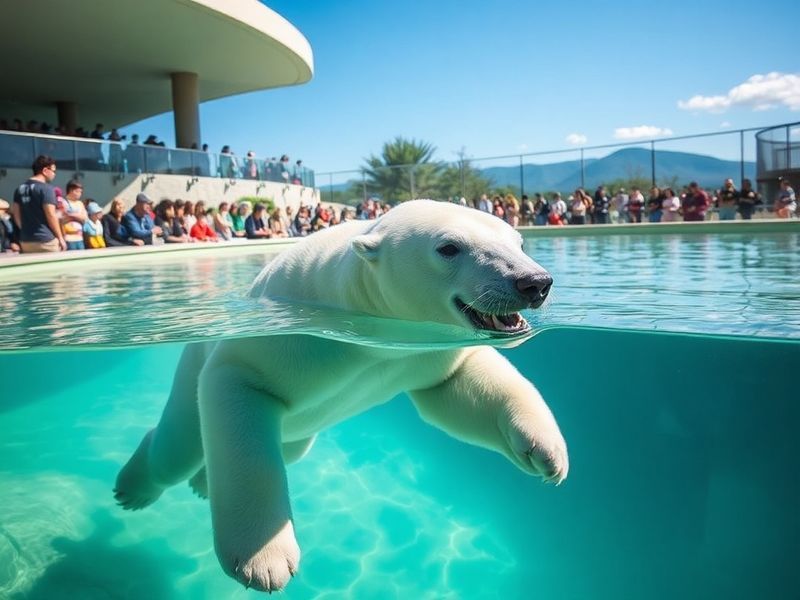
Asahiyama Zoo is perhaps best known for its polar bear enclosure, which has been meticulously engineered to replicate the Arctic environment. The “Polar Bear Corridor,” completed in 2017, features a 40-meter-long underwater tunnel that allows visitors to observe the bears swimming from multiple angles. This immersive design not only entertains but also educates, highlighting the animals’ natural behaviors in a way that static viewing platforms cannot.
The zoo’s signature species also include red-crowned cranes, a bird revered in Japanese culture as a symbol of longevity and fidelity. Asahayama’s breeding program for these endangered birds has contributed to regional conservation efforts, and their graceful dances during feeding times draw crowds year-round.
- Polar bears – Arctic ambassadors with a dedicated underwater viewing system
- Red-crowned cranes – Iconic birds central to Japanese folklore and conservation
- Amur tigers – Rare subspecies showcasing the zoo’s role in global breeding initiatives
- Penguins – A crowd favorite in the indoor “Penguin Kingdom,” where visitors walk through a climate-controlled habitat
- Snow monkeys – Hokkaido’s native macaques, observed in outdoor enclosures that reflect their natural habitat
The zoo’s layout is intentionally compact, encouraging visitors to move efficiently between exhibits. This design choice reflects a Japanese aesthetic principle of omotenashi—hospitality through thoughtful spatial organization. Unlike sprawling Western zoos, Asahiyama prioritizes proximity and engagement, ensuring that every visit feels intimate and purposeful.
Cultural Significance: More Than Just a Zoo
Asahiyama Zoo occupies a unique place in Japan’s cultural landscape. It is not merely a place to see animals but a venue where national values of harmony with nature and respect for wildlife are actively promoted. During the New Year holiday, the zoo hosts events centered on toshi-koshi (year-crossing) traditions, blending seasonal celebrations with educational outreach about endangered species.
The zoo also plays a role in local identity. Asahikawa, once a remote frontier town, has transformed into a hub of eco-tourism largely thanks to the zoo’s success. Its presence has spurred infrastructure development, including public transit links and cultural festivals that celebrate Hokkaido’s natural heritage. In this way, Asahiyama is both a product and a driver of regional pride.
Internationally, the zoo has gained attention through partnerships with global conservation networks. It participates in Species Survival Plans (SSPs) for polar bears and cranes, collaborating with institutions like the Association of Zoos & Aquariums in the United States. These connections underscore how a regional zoo can contribute to worldwide biodiversity efforts.
Seasonal Splendor: How Climate Shapes the Zoo Experience
The experience of visiting Asahiyama Zoo changes dramatically with the seasons, each offering a distinct atmosphere and set of activities. Winter, in particular, transforms the zoo into a magical, snow-covered wonderland. Visitors can observe animals like the snow monkeys and Amur tigers in their snowy enclosures, activities that have become symbolic of Hokkaido’s winter identity.
During the colder months, the zoo offers special events such as “Night Zoo” illuminations, where LED lights cast a soft glow over the snow, creating a surreal, almost cinematic environment. These initiatives not only attract winter tourists but also extend the zoo’s operational season, supporting local businesses during the off-peak months.
In contrast, summer brings a different rhythm. The polar bear and penguin exhibits become focal points as the animals remain active despite the warmer temperatures. Educational programs, including guided tours in English and Japanese, allow visitors to learn about climate change’s impact on Arctic species—a timely message delivered in a region where global warming is visibly altering ecosystems.
A Model for the Future: Conservation, Education, and Accessibility
Asahiyama Zoo’s enduring popularity is not accidental. It reflects decades of strategic planning focused on animal welfare, visitor engagement, and environmental education. The zoo has invested in modern veterinary facilities, including a dedicated animal hospital, and employs a team of specialists in animal behavior and conservation science.
Accessibility is another cornerstone of its design. The zoo is fully wheelchair-accessible, with paved paths, elevators, and tactile maps for visually impaired visitors. This inclusivity aligns with Japan’s broader cultural emphasis on barrier-free public spaces, ensuring that wildlife appreciation is a universal experience.
The zoo also embraces digital innovation. Interactive kiosks provide real-time information about animal health and conservation status, while its official app offers multilingual audio guides. These tools reflect a forward-thinking approach to public engagement, one that balances tradition with modernity.
Looking ahead, Asahiyama Zoo continues to expand its conservation footprint. Recent plans include a new facility for Amur leopards, one of the world’s rarest big cats, and partnerships with universities to conduct joint research on Hokkaido’s native flora and fauna. These initiatives position the zoo not just as a tourist destination but as a vital player in global wildlife preservation.
For travelers seeking a deeper connection to Japan’s natural and cultural landscape, Asahiyama Zoo offers more than just a day of entertainment. It is a living classroom, a conservation hub, and a symbol of how a community can celebrate its environment while protecting it for future generations.
Whether you’re drawn by the allure of polar bears, the elegance of cranes, or the quiet beauty of a Hokkaido winter, Asahiyama invites you to step beyond the ordinary and into a world where wildlife and wonder coexist.