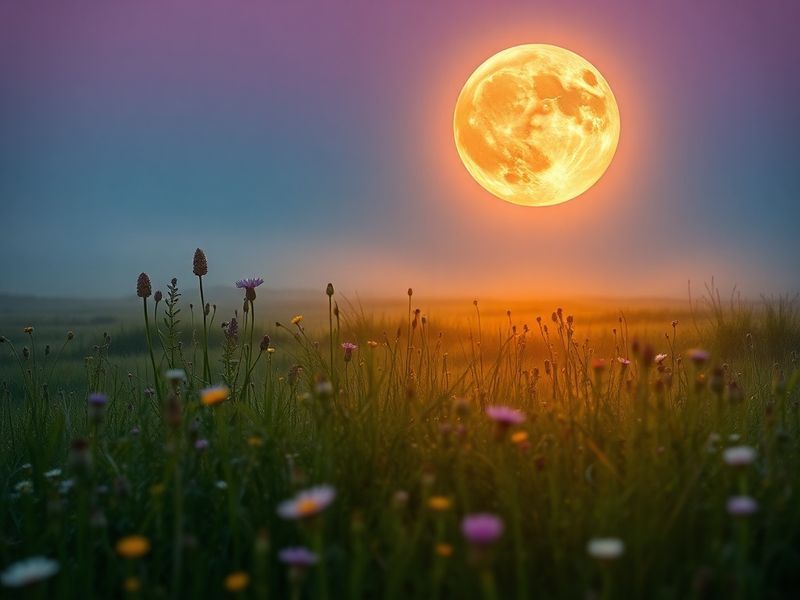
The Flower Moon, the full moon of May, stands out in the night sky not just for its luminous presence but for the traditions and scientific marvels it carries. Named by Indigenous peoples of North America to mark the blooming of spring flowers, this lunar event invites reflection on how humanity has long synchronized its rhythms with celestial cycles. Beyond its poetic name, the Flower Moon carries layers of cultural significance and observable astronomical phenomena that deserve closer examination.
The Origins and Cultural Significance of the Flower Moon
The term “Flower Moon” originates from the Algonquin tribes, who used lunar phases to track seasons. According to historical records from the Old Farmer’s Almanac and Smithsonian Institution archives, each full moon had a practical purpose: the Flower Moon signaled the time to gather blooming plants, prepare fields, and anticipate warmer weather. This naming tradition reflects a deep connection between nature and human activity, a relationship often overlooked in modern industrialized societies.
European settlers later adopted many Indigenous lunar names, blending cultural practices into a shared lexicon. The Flower Moon also aligns with other global traditions. In China, a similar spring moon is tied to the Dragon Boat Festival, while Buddhist traditions in Sri Lanka mark Vesak during a full moon in May, celebrating the birth, enlightenment, and death of the Buddha. These connections reveal how lunar cycles have historically shaped festivals, agriculture, and spiritual observances across civilizations.
Astronomical Features and Observational Highlights
From an astronomical standpoint, the Flower Moon is often accompanied by subtle yet fascinating phenomena. While not always a “supermoon,” it can appear slightly larger and brighter due to its proximity to Earth during certain orbital points. According to NASA’s lunar observation data, the average apparent size of a full moon varies by about 14% between its closest (perigee) and farthest (apogee) points. The Flower Moon frequently falls near this wider range, making it a prime opportunity for amateur astronomers and photographers.
Visibility is another key factor. Unlike solar eclipses, which require specific locations, the Flower Moon is visible to anyone with a clear night sky. This inclusivity has made lunar observations a universal human experience. Cities with high light pollution may miss some details, but rural areas and elevated locations offer unobstructed views of the moon’s craters and maria (dark plains formed by ancient volcanic activity).
The Flower Moon also serves as a marker for other celestial events. Its position in the sky often coincides with meteor showers or planetary alignments. In May 2023, for instance, the Flower Moon shared the night sky with the Eta Aquarid meteor shower, creating a rare dual spectacle. Such overlaps highlight the interconnectedness of lunar and planetary motions, a reminder of the solar system’s dynamic nature.
The Flower Moon in Modern Context: Science, Symbolism, and Sustainability
Today, the Flower Moon has evolved beyond its traditional role. It has become a symbol in environmental and sustainability movements, representing the delicate balance between human activity and natural cycles. Organizations like the World Wildlife Fund (WWF) have used full moon events to promote awareness of nocturnal ecosystems and the impact of artificial lighting on wildlife. The term “light pollution” has gained traction as researchers document its effects on species like moths, bats, and even migratory birds.
Science also benefits from lunar observations. Citizen science projects, such as NASA’s Globe at Night, encourage participants to measure night sky brightness during full moons. This data helps track changes in light pollution over time. Meanwhile, lunar geologists continue to study the moon’s surface, using modern telescopes and satellite imagery to uncover clues about Earth’s early history. The Flower Moon, in this context, becomes a gateway to understanding planetary evolution.
Culturally, the Flower Moon has inspired contemporary art, music, and literature. Musicians like Lana Del Rey have referenced lunar imagery in their work, while visual artists explore themes of transience and renewal through moonlit landscapes. Social media platforms amplify this trend, with hashtags like #FlowerMoon2024 generating millions of posts. This digital engagement reflects a renewed public fascination with celestial events, bridging ancient traditions and modern technology.
Key Takeaways: Why the Flower Moon Matters
The Flower Moon is more than a fleeting spectacle—it is a convergence of science, culture, and environmental awareness. Here are some essential points to consider:
- Cultural Heritage: The Flower Moon’s name reflects Indigenous knowledge and historical agricultural practices, emphasizing humanity’s connection to nature.
- Astronomical Accessibility: Unlike rare celestial events, the Flower Moon is visible to nearly everyone, making it a unifying experience.
- Scientific Value: It offers opportunities for citizen science, light pollution tracking, and lunar research.
- Modern Relevance: The Flower Moon has become a symbol in environmental and artistic movements, adapting to contemporary concerns.
- Celestial Alignment: It often coincides with other astronomical events, creating layered viewing experiences.
Looking Ahead: The Flower Moon in Future Years
The Flower Moon will continue to captivate observers for generations, but its significance may shift as technology and culture evolve. Space agencies like NASA and private companies such as SpaceX are planning new lunar missions, including crewed landings under the Artemis program. These endeavors could redefine humanity’s relationship with the moon, transforming it from a distant object of wonder into a potential outpost for scientific exploration.
Meanwhile, environmental challenges like climate change and urbanization threaten the natural rhythms that once defined lunar traditions. Light pollution, in particular, risks eroding the visibility of celestial events for future generations. Efforts to preserve dark skies, such as the International Dark-Sky Association’s certifications, highlight the urgency of protecting these experiences.
As we gaze at the Flower Moon in the years to come, we are reminded of the enduring interplay between the cosmos and human culture. It is a moment to reflect on how we measure time, the stories we tell about the night sky, and our responsibility to safeguard the natural world that inspires those stories. Whether through a telescope, a camera lens, or simply with the naked eye, the Flower Moon invites us to pause, observe, and connect with something far greater than ourselves.
For those interested in exploring more about celestial events and their cultural impacts, visit Dave’s Locker Culture section or dive into the Science category for deeper analysis.