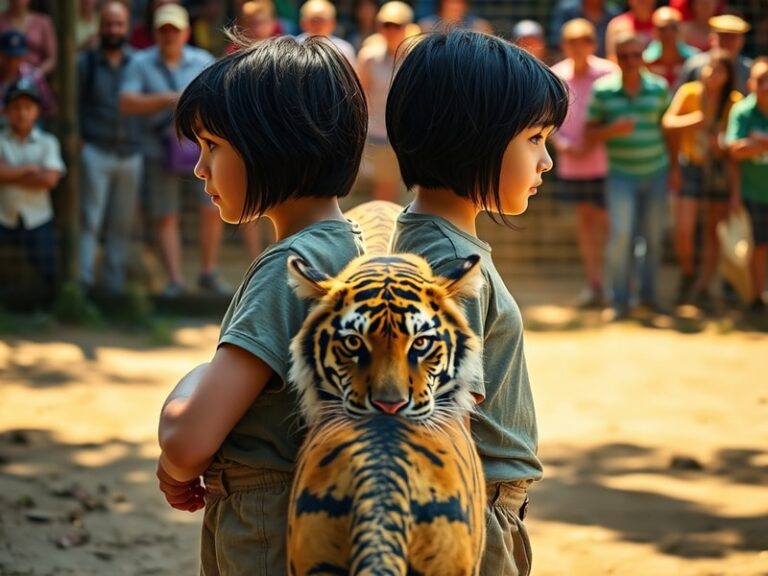
Half Man: The Ambiguous Figure Shaping Modern Myths and Identity
“`html
Half Man: The Ambiguous Figure Shaping Modern Myths
The concept of the “half man” stretches across centuries of human storytelling, philosophy, and even scientific speculation. This archetype—neither fully human nor entirely something else—serves as a mirror to our deepest anxieties, aspirations, and curiosities. From ancient folklore to contemporary pop culture, the half man occupies a liminal space, challenging our understanding of identity and existence.
What makes this figure so enduring? Why does it continue to appear in myths, literature, and modern media? To answer these questions, we need to examine its origins, its psychological resonance, and its evolving role in society.
The Historical Roots of the Half Man Archetype
The half man is not a modern invention. Ancient civilizations crafted tales of beings who straddled the line between human and non-human. In Mesopotamian mythology, the hero Gilgamesh was two-thirds god and one-third man, a duality that defined his struggles and triumphs. Greek mythology gave us centaurs—creatures with the upper body of a human and the lower body of a horse—embodying the tension between civilization and wild instinct.
Medieval bestiaries expanded this idea, depicting humanoid figures with animalistic features or supernatural traits. These beings often served as cautionary symbols, warning of the dangers of straying too far from humanity. The half man, in these contexts, was rarely a hero. Instead, it represented the consequences of hubris, forbidden knowledge, or moral corruption.
Even in religious texts, the half man appears. The Nephilim of the Bible, described as the offspring of “the sons of God” and the “daughters of men,” blur the boundaries of divine and mortal. Their existence raises unsettling questions about lineage, purity, and the limits of human nature.
The Psychological and Philosophical Appeal
The half man thrives in the realm of the uncanny. Sigmund Freud’s concept of the “uncanny” describes something that is simultaneously familiar and foreign, triggering a primal unease. The half man embodies this perfectly—its human features evoke recognition, but its deviations provoke discomfort. This duality makes it a powerful tool for exploring the human psyche.
Philosophically, the half man challenges the binary of human and non-human. What does it mean to be “fully” human? Is it biology, consciousness, or something more intangible? Modern transhumanist movements grapple with similar questions, as they seek to augment human capabilities through technology. The half man, whether in myth or reality, forces us to confront the fluidity of identity.
Consider the case of Robert Wadlow, the tallest man in recorded history. His condition, caused by an overactive pituitary gland, stretched the boundaries of human biology. Wadlow was undeniably human, yet his physical differences made him an outsider. His life story, marked by both admiration and isolation, reflects the duality of the half man archetype.
Key Psychological and Philosophical Themes
- Duality: The half man embodies contradictions—human yet not human, familiar yet alien. This duality forces us to question our own identities.
- Otherness: The half man is often cast as the “other,” a figure that society both fears and fascinates. This reflects broader anxieties about difference and inclusion.
- Transgression: The half man frequently represents a transgression of natural laws, whether through divine intervention, genetic mutation, or technological augmentation. This theme resonates in an era of rapid scientific advancement.
- Isolation: Many half man figures are isolated, either by choice or force. Their stories highlight the human need for connection and the pain of exclusion.
The Half Man in Modern Culture
Contemporary media has reimagined the half man in countless ways. Science fiction, in particular, has embraced the archetype as a vehicle for exploring technological and ethical dilemmas. Films like Blade Runner and Ex Machina ask whether artificially intelligent beings with human-like qualities can truly be considered human. Their protagonists—cyborgs, androids, and genetically engineered organisms—straddle the line between machine and man, challenging our definitions of personhood.
Video games have also delved into this territory. Titles like Detroit: Become Human and NieR: Automata feature characters who grapple with their own humanity. These narratives often focus on the emotional and ethical dimensions of existence, forcing players to confront their own biases about what it means to be alive.
Even in music, the half man appears. David Bowie’s Ziggy Stardust persona blurred the lines between human and alien, rock star and messiah. Bowie’s creation was a deliberate exploration of identity, fame, and the performative nature of self. It was a half man for the modern age—part human, part myth, entirely unforgettable.
The Broader Implications: Why the Half Man Matters
The persistence of the half man archetype is no accident. It reflects our ongoing struggle to define what it means to be human in an increasingly complex world. As technology blurs the lines between biology and machine, and as global migration reshapes cultural identities, the half man serves as a potent symbol of our anxieties and aspirations.
Consider the rise of biohacking and human augmentation. Projects like Neuralink aim to merge human consciousness with artificial intelligence, raising ethical questions about the future of humanity. If a person’s mind can be uploaded into a machine, are they still human? The half man is no longer just a myth—it’s a potential reality.
Similarly, the discourse around transhumanism and posthumanism forces us to reconsider the boundaries of identity. If we can enhance our bodies and minds beyond natural limits, what does it mean to be “fully” human? The half man, in all its ambiguity, is a precursor to these debates.
On a societal level, the half man archetype can also be a lens for examining issues of inclusion and exclusion. Figures like the half man—whether in myth or reality—challenge us to confront our biases and expand our definitions of community. They remind us that identity is not a fixed category but a fluid and evolving concept.
The Future of the Half Man
As we move further into the 21st century, the half man will likely continue to evolve. Advances in genetic engineering, artificial intelligence, and cybernetics will create new opportunities for exploring this archetype. We may soon encounter beings that are neither fully human nor fully machine, forcing us to redefine our understanding of existence.
In art and literature, the half man will remain a powerful symbol. It allows creators to explore themes of identity, ethics, and the human condition in ways that are both personal and universal. Whether through the lens of science fiction, philosophy, or psychology, the half man will continue to challenge us to think deeply about what it means to be human.
Ultimately, the half man is more than just a myth or a trope. It is a reflection of our collective imagination, our fears, and our hopes. In a world that is increasingly complex and interconnected, the half man reminds us that identity is not a fixed point but a journey—one that is as much about the questions we ask as the answers we find.
Conclusion
The half man is a figure that refuses to be pinned down. It is a myth, a symbol, a cautionary tale, and a source of inspiration. Its enduring appeal lies in its ambiguity, its ability to reflect our deepest concerns about identity, technology, and what it means to be human.
As we navigate an era of rapid change and uncertainty, the half man serves as a reminder that the boundaries of humanity are not set in stone. They are fluid, contested, and constantly evolving. Perhaps that is why this archetype continues to captivate us—because, in the end, we are all half men and half women, striving to define ourselves in a world that is always changing.
For those interested in exploring similar themes, visit Dave’s Locker Culture for more articles on myth, identity, and society. For a deeper dive into the intersection of technology and humanity, check out Dave’s Locker Technology.