How Drinks Shape Culture and Identity Worldwide
“`html
The Global Language of Drinks: More Than Just Refreshment
The world’s drinks tell stories older than written history. From ceremonial teas in Kyoto to the neon-lit cocktails of Tokyo, beverages are cultural artifacts that reveal how societies celebrate, mourn, connect, and survive. They are not merely liquids in a glass—they are vessels of tradition, innovation, and identity.
A Brief History: Drinks Through the Ages
The earliest known drink dates back 12,000 years to ancient China, where a fermented rice, honey, and fruit concoction was likely the first alcoholic beverage. By 3000 BCE, the Sumerians were brewing beer so revered it was used as currency. Meanwhile, in the Indus Valley, tea leaves were being steeped as early as 2700 BCE, eventually becoming a cornerstone of Chinese philosophy and medicine.
As trade routes expanded, so did the spread of drinks. Coffee, originating in Ethiopia, reached the Arab world by the 15th century and became the fuel of intellectual salons in Europe. Chocolate, once a bitter Mayan ritual drink, was sweetened by the Spanish and transformed into a luxury enjoyed from Versailles to Vienna. These drinks didn’t just quench thirst—they shaped empires, fueled revolutions, and defined social hierarchies.
The Role of Drinks in Ritual and Ceremony
Across cultures, drinks serve as sacred symbols. In Japan, the tea ceremony, or chanoyu, is a choreographed meditation on harmony and respect, where every gesture reflects Zen principles. The matcha powder whisked into froth is less about flavor and more about presence.
In Mexico, pulque, a fermented agave drink, was sacred to the Aztecs, used in offerings to gods like Mayahuel, the deity of maguey. Today, mezcal and tequila carry echoes of that ancient reverence, though now consumed in lively palapas and rooftop bars.
Even in secular contexts, drinks mark life’s milestones. Champagne toasts at weddings, hot cocoa on snowy nights, or a shot of arak in Lebanon to seal a business deal—these rituals stitch communities together. The drink itself becomes a character in the story, carrying emotional weight beyond its ingredients.
Regional Flavors: A World Map in a Glass
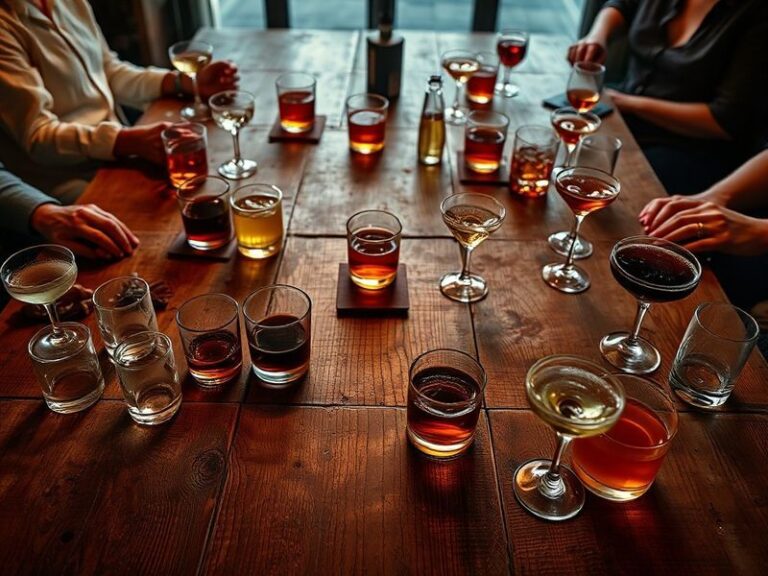
The diversity of global drinks reflects geography, climate, and local ingenuity. Consider the bold contrasts:
- Scandinavia: Aquavit, distilled from potatoes or grain and infused with caraway or dill, is a winter drink meant to warm the soul. Served ice-cold in tiny glasses, it’s a ritual during the dark months.
- Argentina: Yerba mate, a herbal tea brewed from dried leaves, is sipped through a metal straw called a bombilla. Sharing a mate gourd is a gesture of trust and friendship, a daily social contract.
- Vietnam: Cà phê sữa đá, or iced coffee with sweetened condensed milk, is a legacy of French colonialism. The strong Robusta beans brewed in a metal filter create a drink that’s both energizing and decadent.
- Ethiopia: Tej, a honey wine, is fermented in bulbous clay pots called tinne. Its golden hue and sweet effervescence make it a centerpiece at festivals and gatherings.
These drinks are not just refreshments; they are edible postcards, instant portals to another place and time. A sip of sake transports you to a wooden izakaya in Osaka. A glass of kombucha might remind you of a Brooklyn wellness studio. The global drink map is not static—it evolves with migration, climate change, and cultural fusion.
The Rise of Craft and the Third Wave
In the last two decades, a quiet revolution has taken place in how we drink. The craft movement, born in the microbreweries of Portland and the coffee roasters of Melbourne, has democratized quality and storytelling. No longer content with mass-produced lagers or instant coffee, drinkers now seek provenance, transparency, and artistry.
Craft beer has exploded from a niche hobby to a multi-billion-dollar industry. Breweries now grow their own hops, experiment with wild yeast strains, and age beer in whiskey barrels. Styles like New England IPAs and sour beers reflect a new aesthetic—hazy, tart, and unapologetically bold.
The coffee world has followed a parallel path. Third-wave coffee emphasizes single-origin beans, light roasts, and brewing methods like pour-over and AeroPress. Baristas are as much artisans as they are servers. Meanwhile, tea enthusiasts are reviving ancient traditions, with matcha ceremonies and gongfu cha becoming mainstream practices in the West.
Sustainability as a New Ingredient
As climate change threatens traditional growing regions, sustainability has become a non-negotiable ingredient in modern drinks. Coffee farmers in Central America face unpredictable rainfall. Hops growers in the Pacific Northwest battle drought. In response, producers are turning to regenerative agriculture, shade-grown crops, and carbon-neutral certifications.
Even vodka and gin brands are getting in on the act. Some distilleries now use locally sourced grains, while others repurpose agricultural waste—like potato peels or citrus pulp—into spirits. The message is clear: the drink of the future must be as kind to the planet as it is pleasing to the palate.
The Future of Drinks: Innovation Meets Tradition
The next frontier in drinks may lie in the fusion of science and tradition. Lab-grown ingredients, precision fermentation, and even 3D-printed cocktails are entering the scene. Companies like Wild Earth are creating animal-free dairy proteins for coffee creamers, while startups in Singapore are brewing beer from recycled CO₂ and water.
Yet, amid this innovation, tradition endures. The enduring popularity of sourdough starters passed down for generations mirrors how heirloom tea plants or ancient barley varieties are preserved. People crave continuity in a fast-changing world. A drink made from a recipe 200 years old carries a quiet authority, a link to those who came before.
As we look ahead, one thing is certain: drinks will continue to evolve, but their role as cultural connectors will remain unchanged. Whether it’s a steaming cup of chai in Mumbai, a chilled glass of ramune soda in Osaka, or a handcrafted cocktail in a Berlin speakeasy, the act of sharing a drink is a universal human gesture.
In the end, drinks are more than refreshment. They are memory, identity, rebellion, and comfort. They are the liquid language of humanity.