How Drinks Shape Culture, History, and Innovation Worldwide
“`html
From Coffee Rituals to Cocktail Culture: The Global Evolution of Drinks
The history of human civilization is, in many ways, the history of drinks. From the fermented beverages of ancient societies to the craft cocktails shaking up modern bars, what we drink has shaped economies, defined social rituals, and reflected cultural identities. This evolution tells a story not just of taste, but of innovation, trade, and human connection across continents.
Consider the journey of coffee. Originating in the highlands of Ethiopia, it spread through the Arab world by the 15th century, becoming central to Ottoman coffeehouse culture. By the 17th century, it had reached Europe, sparking both fascination and controversy—some called it the “bitter invention of Satan,” while others embraced it as a stimulant of intellectual exchange. Today, coffee isn’t just a morning ritual; it’s a $200 billion global industry, with third-wave coffee shops treating beans like fine wine, tracing their terroir and roast profiles.
The Ancient Roots: Fermentation and the Birth of Beverages
Long before the cappuccino machine or the cocktail shaker, humans discovered fermentation—a process that turned surplus grains and fruits into storable, intoxicating liquids. The earliest evidence of fermented drinks dates back to 7000 BCE in China, where pottery shards reveal traces of a mixed fermented beverage made from rice, honey, and fruit. In Mesopotamia, the Sumerians documented beer recipes on clay tablets by 4000 BCE, while the Egyptians brewed beer as a daily staple, even paying wages in it.
Wine, too, has ancient origins. Archaeologists have found 8,000-year-old wine residues in Georgia, where clay vessels called qvevri were used to ferment grapes in the ground. In Persia, wine was not just a drink but a symbol of sophistication, with the poet Omar Khayyam writing, “A jug of wine, a loaf of bread, and thou beside me singing in the wilderness.” Meanwhile, in the Americas, indigenous cultures fermented corn into chicha, a ritual drink consumed during ceremonies and communal gatherings.
The Role of Drinks in Cultural Identity
Drinks often serve as markers of cultural heritage. In Japan, tea isn’t merely a beverage; it’s a spiritual practice. The Japanese tea ceremony, or chanoyu, is a choreographed ritual that embodies harmony, respect, purity, and tranquility. Matcha, the powdered green tea used in the ceremony, is celebrated for its umami flavor and health benefits, but its significance lies in its role as a cultural artifact.
In India, chai transcends its simple ingredients—black tea, milk, sugar, and spices like cardamom and ginger. It is a symbol of hospitality, a daily ritual, and a social equalizer, served to guests and strangers alike. The way chai is prepared varies by region, from the spiced masala chai of the north to the lighter, less sweet versions in the south. Each cup tells a story of local customs and communal bonds.
Similarly, in Argentina, mate is more than a drink; it’s a social institution. Drunk from a shared hollow gourd using a metal straw called a bombilla, mate is passed among friends and family, fostering connection and conversation. The ritual of preparing and sharing mate is so ingrained in Argentine culture that it has been recognized by UNESCO as an Intangible Cultural Heritage.
Colonialism, Trade, and the Globalization of Drinks
The age of exploration transformed the world of drinks forever. European colonizers encountered new ingredients and beverages that would reshape global consumption patterns. Sugar, once a luxury in Europe, became a staple after its cultivation in the Caribbean and Brazil fueled the transatlantic slave trade. The demand for sugar led to the mass production of rum, which became a cornerstone of the triangular trade between Europe, Africa, and the Americas.
Coffee, too, became a colonial commodity. The Dutch smuggled coffee plants from Yemen to Java in the 17th century, establishing plantations that would later spread to the Americas. By the 18th century, coffee had become a cornerstone of the British Empire’s economy, with plantations in the Caribbean and later in India and Ceylon. The labor systems that sustained these plantations were brutal, often relying on enslaved people or indentured laborers.
Meanwhile, tea became a symbol of British imperial power. After the British East India Company monopolized the Chinese tea trade in the 19th century, it turned to India and Sri Lanka to cultivate tea on a massive scale. The result was the birth of brands like Lipton and Twinings, which popularized tea as a daily drink across the British Empire and beyond.
The Rise of the Cocktail: From Prohibition to Craft Culture
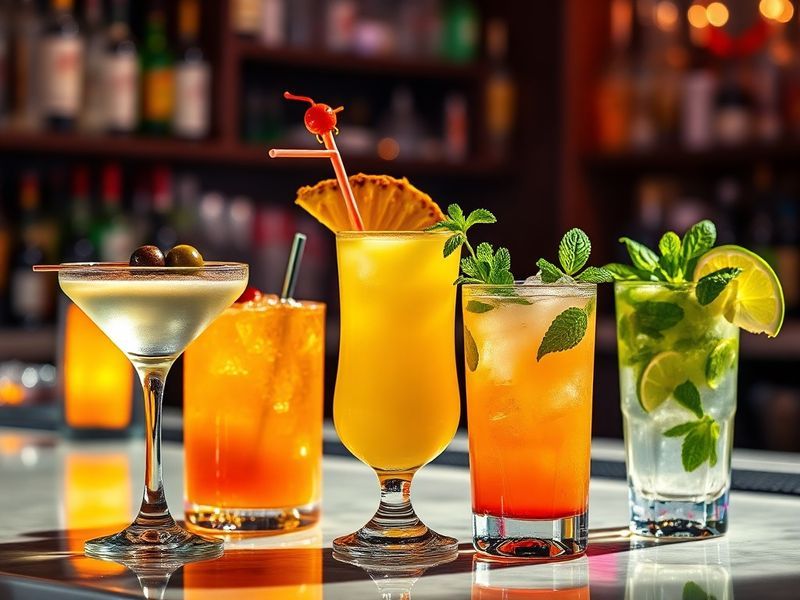
The cocktail is a distinctly American invention, emerging in the early 19th century as a way to mask the harsh flavors of early spirits with sugar, bitters, and citrus. By the 1860s, the term “cocktail” referred to a specific mixture of spirits, sugar, water, and bitters. The golden age of cocktails, however, came during the Roaring Twenties, when Prohibition in the United States drove drinking underground and bartenders became innovators, crafting elaborate mixed drinks in speakeasies.
After Prohibition ended, cocktails fell out of favor, replaced by beer and wine as the drinks of choice. But by the 21st century, a cocktail renaissance had begun. The modern craft cocktail movement emphasizes fresh ingredients, house-made infusions, and artisanal techniques. Bars like New York’s Entertainment District venues and London’s experimental speakeasies now treat cocktails as culinary experiences, with menus that read like wine lists.
This revival has also sparked a global exchange of techniques and flavors. Japanese bartenders, for example, have pioneered the use of umami-rich ingredients like soy sauce and miso in cocktails, while Mexican mixologists incorporate local spirits like raicilla and mezcal into their creations. The result is a fusion of traditions that reflects the interconnectedness of today’s world.
The Modern Drinkscape: Health, Sustainability, and Innovation
Today’s drink culture is defined by three key trends: health consciousness, sustainability, and technological innovation. Consumers are increasingly seeking beverages that align with their wellness goals, leading to a surge in plant-based milks, adaptogenic tonics, and low-alcohol options. The rise of functional beverages—drinks infused with ingredients like turmeric, collagen, or CBD—reflects a growing desire for drinks that do more than hydrate or intoxicate.
Sustainability is another driving force. The coffee industry, for instance, is grappling with the impacts of climate change, which threatens coffee-growing regions with rising temperatures and unpredictable weather. In response, initiatives like Fair Trade and Direct Trade have emerged to ensure farmers receive fair wages while promoting eco-friendly farming practices. Similarly, the spirits industry is exploring ways to reduce its carbon footprint, from carbon-neutral distilleries to packaging made from recycled materials.
Technology is also reshaping how we drink. Smart bottles that track hydration levels, apps that recommend drinks based on mood or diet, and even 3D-printed cocktails are becoming more common. In Japan, vending machines dispense everything from hot ramen broth to sake, showcasing how technology can make beverages more accessible.
What’s Next for the World of Drinks?
As we look to the future, several trends are poised to redefine the drinkscape. One is the continued rise of non-alcoholic beverages. The “sober curious” movement has led to a booming market for alcohol-free spirits, craft sodas, and mocktails that don’t sacrifice flavor or sophistication. Brands like Seedlip and Lyre’s are leading the charge, offering complex, botanical-based alternatives to traditional cocktails.
Another trend is the exploration of indigenous and ancient beverages. In Mexico, mezcal is gaining global recognition, while in Peru, the traditional fermented corn drink chicha morada is being rediscovered. These drinks offer not just unique flavors, but a connection to cultural histories that have been overlooked for centuries.
Finally, the line between food and drink is blurring. Fermentation techniques once reserved for beverages are now being applied to foods, and vice versa. The rise of kombucha, kefir, and jun—fermented teas—highlights how drinks can be both nourishing and probiotic-rich. Meanwhile, savory drinks like bone broth and vegetable-based broths are being marketed as health elixirs.
The world of drinks is far more than a collection of flavors and ingredients. It is a tapestry woven with threads of history, culture, economics, and innovation. Whether it’s the morning coffee ritual that kickstarts a billion careers, the shared mate gourd that strengthens a community, or the craft cocktail that sparks a conversation, drinks continue to shape human experiences in profound ways. As we raise our glasses—whether to toast, to hydrate, or to savor a moment—we’re participating in a legacy that spans millennia.