Rachel Kerr’s Disappearance in Morocco: A Timeline of Unanswered Questions
The disappearance of Rachel Kerr, a 28-year-old British traveler, in Morocco’s Atlas Mountains in late 2023 has left investigators, her family, and the global community grappling for answers. What began as a solo adventure through North Africa’s rugged landscapes quickly turned into an international mystery, drawing comparisons to other high-profile missing persons cases in remote regions. While Moroccan authorities have conducted extensive searches, the case remains unsolved, raising concerns about safety protocols for solo travelers and the challenges of cross-border investigations.
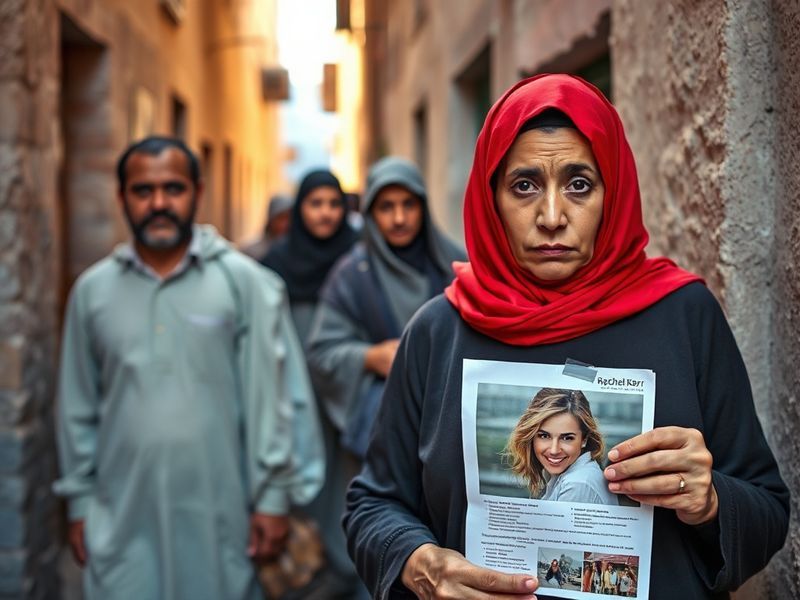
Kerr, a former competitive swimmer with a passion for off-the-beaten-path travel, documented her journey on social media, sharing photos of Berber villages and mountain trails. Her last verified location was near the town of Imilchil, known for its annual moussem (festival) and dramatic highland scenery. Friends and family grew concerned when her posts stopped abruptly on October 12, 2023. A week later, her backpack and phone were found abandoned near a hiking trail, but Kerr herself was nowhere in sight.
The Search Efforts: A Race Against Time and Terrain
Moroccan police, aided by local volunteers and international search teams, scoured the area for weeks. The terrain posed significant challenges: steep cliffs, dense cedar forests, and unpredictable weather conditions. Authorities initially speculated that Kerr might have wandered off-course or encountered an accident, but no definitive evidence emerged. Search dogs, drones, and thermal imaging were deployed, yet the investigation hit dead ends.
One complicating factor was the lack of a unified response. Kerr’s family hired private investigators in the UK, while Moroccan officials handled the ground search. Communication gaps between agencies delayed progress. By December 2023, Moroccan authorities declared the search “paused” due to harsh winter conditions, leaving the case in limbo until spring.
Cultural Context: Solo Travel in Morocco’s High Atlas
Morocco attracts thousands of solo travelers annually, drawn to its vibrant culture, affordable living, and natural beauty. However, the region’s remoteness also presents risks. Unlike urban centers like Marrakech or Casablanca, the Atlas Mountains lack consistent cell service and emergency services. Many travelers rely on local guides, but Kerr had opted to explore independently.
Local Berber communities, who often assist lost hikers, expressed frustration over the delayed response. “We help visitors when we can,” said one village elder. “But without clear coordination, time is lost.” This case has reignited debates about whether Morocco should implement stricter safety measures for hikers in remote areas.
Global Reactions and Lessons for Travelers
The mystery of Rachel Kerr’s disappearance has resonated worldwide, sparking discussions about solo travel safety. Online forums and news outlets have highlighted similar cases, such as the 2018 disappearance of German hiker Julia Wendel in the Atlas Mountains. These incidents underscore the need for better travel advisories and emergency preparedness.
For those planning trips to Morocco or other remote destinations, experts recommend:
- Registering travel plans with local embassies or consulates.
- Carrying satellite communicators (e.g., Garmin inReach) for areas with no cell service.
- Hiring licensed local guides for high-risk trails.
- Sharing real-time location updates with trusted contacts.
Kerr’s case also raises ethical questions about media coverage. While her story gained traction on social platforms, some critics argue that sensationalism can hinder investigations. Others praise the global outpouring of support, which kept pressure on authorities to continue the search.
What Happens Next?
As of mid-2024, the case remains open but inactive. Moroccan officials cite insufficient evidence for reopening the investigation, though Kerr’s family has vowed to keep searching. Private groups, including British-based organizations, continue to analyze satellite imagery and conduct interviews with locals who may have encountered her.
The lack of closure has left many wondering: Was Rachel Kerr’s disappearance an accident, a deliberate act, or something else entirely? Without new leads, the truth may never surface. Yet her story serves as a reminder of the fragility of solo travel—and the enduring power of hope.
Conclusion: Rachel Kerr’s disappearance in Morocco is more than a missing persons case—it’s a cautionary tale about the risks of uncharted journeys and the gaps in global travel safety. While the search has stalled, the questions linger, urging travelers to prioritize preparedness and authorities to rethink crisis response in remote regions.