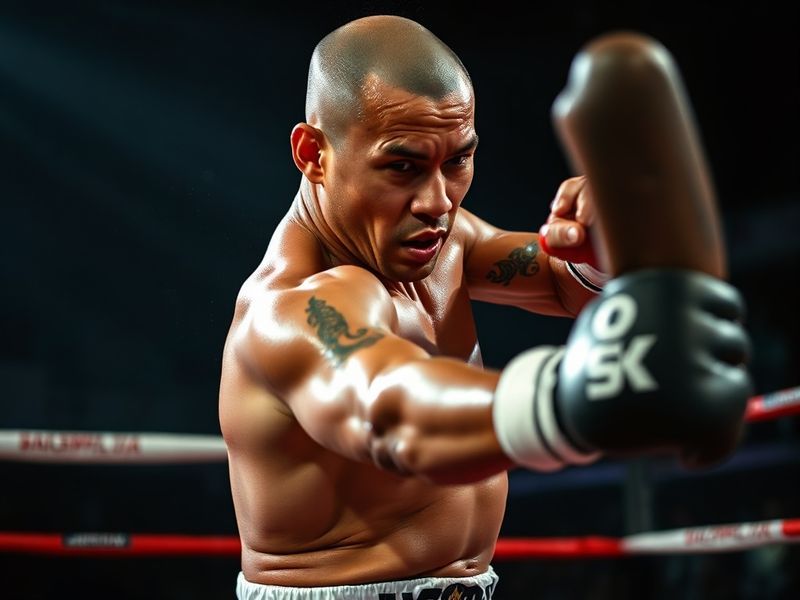
Rodtang: The Rise of a Muay Thai Phenomenon
Rodtang Jitmuangnon, known as the “Iron Man” of Muay Thai, has become a global symbol of relentless aggression and technical brilliance in combat sports. Born on July 23, 1997, in Nakhon Pathom, Thailand, Rodtang’s journey from a small-town boy to a world champion is a story of discipline, adaptability, and unyielding spirit. His fighting style—characterized by explosive knee strikes, relentless pressure, and a near-unbreakable chin—has captivated audiences worldwide, transcending Muay Thai to influence broader combat sports culture.
Muay Thai, Thailand’s national sport, has long been revered for its brutal efficiency and cultural significance. The sport’s global expansion in recent decades has introduced millions to its techniques, but few fighters have embodied its essence as vividly as Rodtang. His ability to blend traditional Muay Boran with modern fight strategies has redefined what it means to be a Nak Muay (Muay Thai fighter), earning him legions of fans from Bangkok to Los Angeles.
The Fighting Style That Defined a Generation
Rodtang’s fighting style is a fusion of raw power and tactical precision. Standing at just 5’4” and typically competing at 105-115 pounds, his physical frame is often dwarfed by opponents. Yet, his ability to close the distance quickly, deliver devastating knees to the body, and withstand punishment has made him nearly unbeatable in his prime. His signature move—the “Rodtang Knee”—has become synonymous with his relentless pressure, often leaving opponents gasping for air.
Analysts often break down his approach into three key components:
- Pressure and Volume: Rodtang’s fight strategy revolves around overwhelming opponents with constant forward movement. He rarely lets up, crowding the cage or ring to limit his adversaries’ options.
- Body Knee Dominance: His knees to the midsection are a primary weapon, targeting the liver and solar plexus to sap stamina from his foes.
- Adaptability: While his style is aggressive, Rodtang has shown the ability to adjust mid-fight, switching between clinch work, low kicks, and punishing elbows to keep opponents guessing.
This style has drawn comparisons to legendary Muay Thai fighters like Samart Payakaroon and Dieselnoi Chor Thanasukarn, whose technical mastery and dominance in their eras left indelible marks on the sport. Rodtang’s rise, however, has been amplified by the digital age, where highlights of his fights circulate globally within hours, fueling his international reputation.
A Global Ambassador for Muay Thai
Rodtang’s influence extends far beyond Thailand’s borders. While Muay Thai has long been practiced worldwide, fighters like Rodtang have helped popularize the sport in regions where it was once niche. His appearances in international promotions such as ONE Championship have introduced his style to audiences in North America, Europe, and Australia, where combat sports fans previously focused more on boxing or MMA.
In the West, Muay Thai has often been overshadowed by its cousin, kickboxing, or integrated into MMA training regimens. Rodtang’s success has shifted perceptions, proving that traditional Muay Thai can thrive at the highest levels of global competition. His fights in Sports leagues like ONE Championship have drawn millions of viewers, with his 2019 bout against Petchdam Petchyindee Academy becoming one of the most-watched Muay Thai matches in history.
Beyond the ring, Rodtang has become a cultural icon. His tattoos—including a portrait of his late father on his chest—symbolize his deep connection to Thai heritage and the sacrifices that shaped his career. In interviews, he often speaks about the importance of family and tradition, resonating with fans who see him as more than just a fighter but as a representative of Thai identity.
The Business of Being Rodtang
Rodtang’s success has also made him a savvy entrepreneur. His brand extends beyond fighting, encompassing merchandise, sponsorships, and even a role as a mentor for younger fighters. Brands like Fairtex and Yokkao have capitalized on his popularity, while his social media presence—where he shares training clips and fight preparations—has amassed millions of followers across platforms like Instagram and YouTube.
His financial trajectory reflects the growing commercialization of Muay Thai. Fighters who once struggled to make ends meet can now leverage their fame into lucrative careers. Rodtang’s earnings from fights, sponsorships, and appearances have reportedly placed him among the highest-earning Muay Thai athletes in history, a far cry from the days when Nak Muays relied solely on purses from local stadiums like Rajadamnern or Lumpinee.
Yet, this commercial success has not come without scrutiny. Some purists argue that the sport’s traditional values are being diluted by the demands of global entertainment. Rodtang himself has faced criticism for prioritizing spectacle over technical purity, particularly when he incorporates unorthodox moves like spinning elbows or flashy counters. However, his ability to win over critics with his performances suggests that his approach aligns with modern audience tastes.
The Future of Rodtang and Muay Thai
As Rodtang continues to compete, questions about his legacy and the future of Muay Thai loom large. At 27 years old, he remains in his prime, but the physical toll of his fighting style raises concerns about longevity. Fighters who rely on relentless pressure often face burnout or injuries, and Rodtang’s body bears the scars of a career fought at the highest level.
His next steps could redefine his career. Many speculate about a potential move to boxing or a crossover into MMA, though Rodtang has expressed a desire to remain in Muay Thai. His rivalry with Superlek Kiatmuu9—a younger, equally explosive fighter—has already produced some of the most exciting matches in recent years, hinting at a new era for the sport.
For Muay Thai, Rodtang’s impact is undeniable. He has helped elevate the sport’s global profile, inspired a new generation of fighters, and shown that traditional martial arts can thrive in the modern combat sports landscape. His story is a testament to the power of authenticity—whether in the ring or in the digital world.
Conclusion
Rodtang Jitmuangnon is more than a fighter; he is a cultural bridge between Thailand’s rich martial arts heritage and the global stage. His relentless style, unapologetic aggression, and connection to his roots have made him a defining figure in Muay Thai’s modern era. As the sport continues to evolve, Rodtang’s influence will likely persist, shaping how Muay Thai is perceived and practiced worldwide. For fans of combat sports, his journey offers a reminder that greatness often comes not from conforming to expectations but from embracing one’s unique identity.