Drinks are more than mere refreshment—they are vessels of culture, science, and social connection. From the earliest fermented beverages consumed in Neolithic villages to today’s artisanal coffee shops and speakeasy cocktail bars, what we drink tells a story of human evolution, innovation, and identity. This article explores the rich tapestry woven by drinks across history, health, and hospitality.
The global drink industry is worth over $1.5 trillion annually, encompassing everything from life-sustaining water to decadent cocktails and functional wellness elixirs. Behind every sip lies a complex interplay of chemistry, agriculture, and human desire. Whether enjoyed alone or shared among friends, drinks shape moments, memories, and markets.
The Historical Roots of Drinking Culture
The history of drinks stretches back more than 10,000 years. Archaeological evidence from China’s Yellow River Valley suggests that people were brewing fermented beverages from rice, honey, and fruit as early as 7000 BCE. These early drinks were not just nutritional but held spiritual significance, often used in rituals to honor ancestors and deities.
In ancient Egypt, beer and wine became central to daily life and religion. The Code of Hammurabi, one of the earliest legal texts, even regulated taverns and drinking houses. Meanwhile, tea cultivation began in China during the Shang Dynasty (1600–1046 BCE), evolving from medicinal tonic to a daily social ritual by the Tang Dynasty (618–907 CE).
Coffee’s rise in the 15th century in Yemen and its spread through the Ottoman Empire transformed global social structures. Coffeehouses became centers of intellectual exchange, earning the nickname “penny universities” in 17th-century London, where people paid a penny to enter and engage in debate.
These historical threads reveal a consistent truth: drinks are not just commodities, but catalysts for community, commerce, and culture.
How Drinks Shape Health and Wellness
Today’s consumers are increasingly mindful of what they drink, not just how it tastes. Hydration science confirms that water remains the body’s most essential nutrient, with even mild dehydration impairing cognitive and physical performance. Yet the market now offers a dizzying array of alternatives—electrolyte-infused waters, adaptogenic lattes, and cold-pressed juices—all marketed as health optimizers.
Fermented drinks like kombucha and kefir have surged in popularity due to their probiotic benefits, supporting gut health and immune function. Research published in Nutrients (2021) highlights that regular consumption of fermented beverages can improve microbiome diversity, which is linked to lower inflammation and better metabolic health.
On the opposite end of the spectrum, concerns about sugary drinks persist. A 2023 study in JAMA found that high intake of sugar-sweetened beverages is associated with a 17% increased risk of cardiovascular disease. This has led to public health campaigns and taxes in several countries, reshaping beverage formulations and consumer choices.
Meanwhile, functional beverages—those enhanced with vitamins, nootropics, or CBD—are redefining the category. Brands like Olipop and Proper Wild are targeting millennials and Gen Z with low-sugar, high-fiber options that promise digestive health and sustained energy without the crash of traditional energy drinks.
Popular Categories of Health-Focused Drinks
- Adaptogenic Tonics: Herbal blends with ashwagandha, rhodiola, or reishi, marketed for stress relief.
- Electrolyte Waters: Enhanced with magnesium, potassium, and sodium for hydration beyond plain water.
- Probiotic Drinks: Fermented beverages like kombucha and water kefir that support gut health.
- Plant-Based Milks: Oat, almond, and pea milk alternatives fortified with calcium and vitamin D.
- CBD-Infused Beverages: Non-psychoactive drinks offering relaxation and anti-inflammatory benefits.
As consumer awareness grows, so does demand for transparency. Labels now often include sourcing details, sugar content, and functional ingredients—reflecting a shift toward informed consumption.
The Craft of Mixology: Elevating Drinks to an Art Form
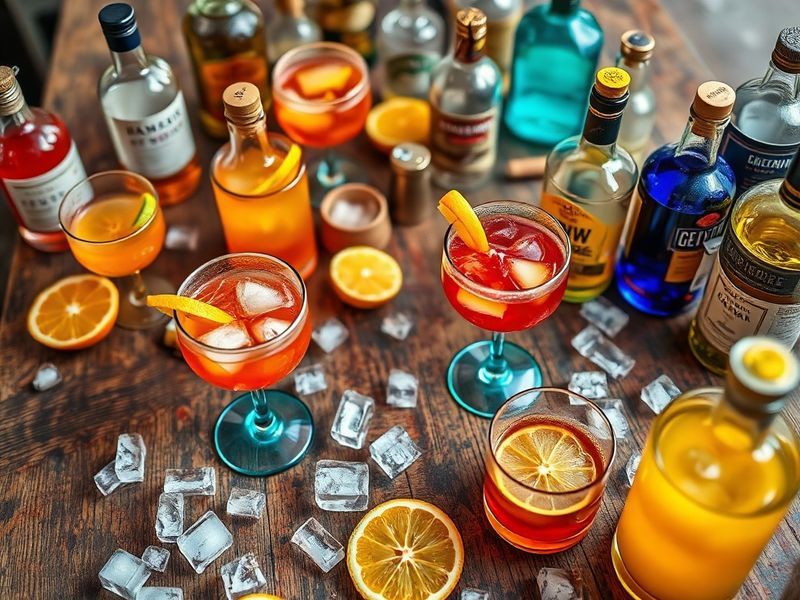
Modern mixology has transformed cocktail culture from simple mixing to a respected culinary discipline. Gone are the days of pre-batched margaritas and vodka sodas. Today’s bartenders are trained in flavor pairing, historical techniques, and even molecular mixology—using tools like rotary evaporators and centrifuge machines to extract essences and create foams.
In cities like New York, London, and Tokyo, award-winning bars like Attaboy and Deadshot now serve drinks priced between $20 and $30, justified by the quality of ingredients and the precision of technique. A well-crafted Negroni, for instance, isn’t just three parts gin, two parts Campari, and one part sweet vermouth—it’s a balance of bitterness, sweetness, and aromatic depth, aged to perfection and served over a single large ice cube to dilute slowly.
The rise of “zero-proof” cocktails reflects both health trends and inclusivity. Brands like Lyre’s and Three Spirit offer sophisticated alcohol-free alternatives that mimic the complexity of classic cocktails, allowing non-drinkers to partake in the ritual of toasting without compromise.
Sustainability is also reshaping mixology. Many bars now use house-made shrubs, infused syrups from seasonal fruit, and biodegradable straws. Some even grow their own herbs and edible flowers, reducing carbon footprints and adding freshness to each drink.
The Social Fabric of Sharing a Drink
Few human experiences are as universal as sharing a drink. Whether it’s a morning coffee with a colleague, a celebratory champagne toast, or a quiet evening tea, beverages anchor social rituals across cultures. In Japan, the tea ceremony is a meditative practice that embodies harmony, respect, and purity. In Italy, espresso is a daily social connector, often enjoyed standing at a bar with neighbors.
Alcohol, in particular, has long played a role in rites of passage—from the Jewish tradition of wine at Passover to the Irish “first pint” at 18, symbolizing adulthood. Yet today, social drinking is being redefined. Gen Z, in particular, is less drawn to heavy drinking culture, favoring mindful consumption and alcohol-free alternatives. According to a 2024 survey by Morning Consult, 40% of Gen Z respondents reported drinking less than previous generations, with many citing health and mental clarity as reasons.
This shift is reflected in the rise of “sober curious” movements and sober bars, such as Sans Bar in Austin and Listen Bar in New York. These venues offer creative non-alcoholic cocktails and host events that emphasize connection without intoxication.
Even in digital spaces, drinks foster connection. Virtual wine tastings, coffee brewing livestreams, and cocktail-making tutorials on platforms like YouTube and TikTok have turned home mixology into a shared experience, uniting strangers through a shared passion.
Drinks as Cultural Ambassadors
- Chai in India: Spiced milk tea symbolizing hospitality and warmth, often served to guests as a gesture of welcome.
- Mate in Argentina: A communal herbal tea passed around in social circles, embodying friendship and tradition.
- Sake in Japan: Rice wine central to Shinto rituals and festivals, symbolizing purity and celebration.
- Pisco in Peru: Grape brandy used in the national cocktail, Pisco Sour, representing national pride and artisanal craft.
The act of sharing a drink transcends language and borders, offering a universal language of connection.
Conclusion: The Future of Drinks
From ancient rituals to modern laboratories, drinks continue to evolve in response to science, culture, and consumer values. The industry is at a crossroads—balancing tradition with innovation, indulgence with wellness, and global trends with local identity.
As climate change affects crop yields and ingredient availability, sustainability will only grow in importance. Expect to see more regenerative farming practices, upcycled ingredients, and closed-loop packaging in the beverage sector. Meanwhile, technology will continue to democratize mixology, with AI-powered recipe generators and app-based flavor profiling making craft drinks accessible at home.
One thing remains constant: the profound human need to gather, reflect, and refresh—one sip at a time. Whether it’s a steaming cup of matcha at dawn or a carefully crafted cocktail under neon lights, drinks will always be more than what’s in the glass. They are liquid memories, shared stories, and silent witnesses to the passage of time.
So the next time you raise a glass—whatever it contains—take a moment to appreciate the centuries of tradition, science, and social connection it represents.
And if you’re looking to explore more about the world of drinks, dive into our curated guides on Food & Drink and Trending for deeper insights and recommendations.