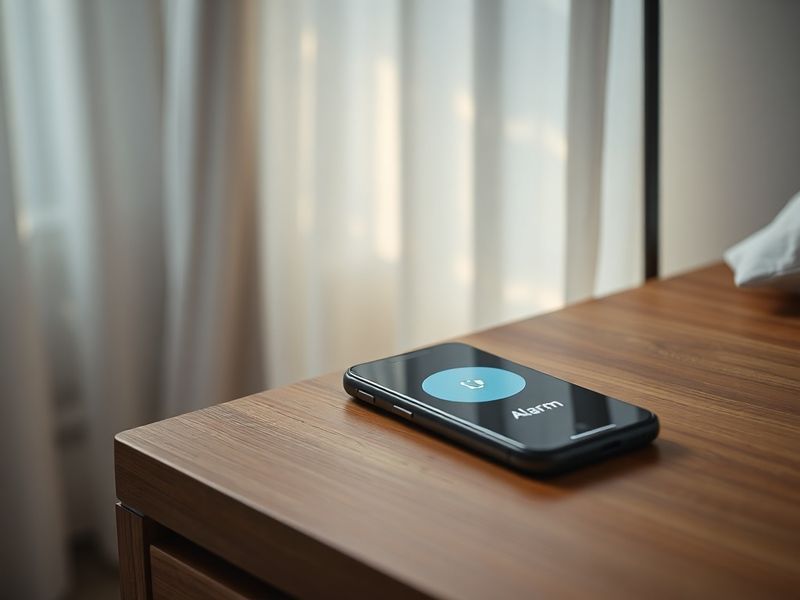
From Tokyo to Toronto, the Apple Alarm has become more than a notification—it’s a cultural touchstone. In an era where digital interactions shape daily routines, this unassuming feature has quietly woven itself into the fabric of global smartphone use. Its simplicity belies its significance, offering a window into how technology adapts to diverse lifestyles while maintaining a consistent identity.
The Apple Alarm isn’t just an alarm clock. It’s a ritual, a punctuation mark in the day’s rhythm, signaling wake-up times, meeting alerts, and reminders that structure modern life. Its ubiquity across continents speaks to Apple’s design philosophy: universal accessibility paired with intuitive functionality. But what makes this feature resonate so deeply in different cultures? To understand its global appeal, we must examine its design, adaptability, and the cultural contexts in which it thrives.
The Design Philosophy Behind Apple Alarm’s Universal Appeal
Apple’s approach to the Alarm feature reflects a commitment to minimalism and user-centric design. The interface is clean, uncluttered, and immediately recognizable, regardless of language or region. This consistency is intentional. Apple prioritizes a uniform experience, ensuring that users in Berlin, Buenos Aires, or Bangkok interact with the same intuitive logic.
The visual language is another key element. The alarm icon—a simple clock face—is instantly decipherable, transcending linguistic barriers. Sound options, from gentle chimes to rhythmic vibrations, cater to diverse sensory preferences. This adaptability allows the Apple Alarm to serve as both a gentle nudge for early risers and a jarring wake-up for those who thrive on urgency.
Accessibility features further extend its reach. Customizable snooze durations, volume controls, and even bedtime reminders ensure the feature accommodates a wide range of needs. In a world where smartphones are almost extensions of the self, the Apple Alarm adapts to the user rather than forcing the user to adapt to it.
Cultural Adaptations: How Different Regions Use the Apple Alarm
The Apple Alarm’s functionality remains consistent, but its role varies dramatically across cultures. In Japan, where punctuality is a cultural cornerstone, the alarm is often set with military precision. Train schedules, work shifts, and even school routines demand exact timing, making the Apple Alarm an essential tool for maintaining order.
In contrast, Mediterranean cultures often treat the alarm with more flexibility. In Spain or Italy, where late-night socializing is common, the Apple Alarm might be used more as a gentle nudge than a strict enforcer. The snooze function becomes a way to extend the night’s festivities without fully abandoning structure.
In Scandinavia, where work-life balance is highly valued, the Apple Alarm often aligns with wellness routines. Users pair it with bedtime reminders to ensure adequate rest, reflecting a holistic approach to health. Meanwhile, in fast-paced urban centers like New York or Mumbai, the alarm is a lifeline—coordinating multiple time zones, meetings, and personal commitments with ruthless efficiency.
These variations highlight a fascinating paradox: the Apple Alarm is both a global constant and a locally customized tool. Its design remains unchanged, but its application evolves with cultural priorities.
The Psychological and Social Impact of Always-On Alarms
Despite its utility, the Apple Alarm isn’t without controversy. Psychologists warn that over-reliance on digital alarms can disrupt natural sleep patterns, particularly when users ignore their body’s cues in favor of rigid schedules. The snooze function, while convenient, can also encourage procrastination, turning a productivity tool into a source of delay.
Socially, the Apple Alarm has reshaped collective behavior. In offices worldwide, the hum of multiple alarms at 9 AM is a familiar soundtrack. In schools, synchronized wake-up times create a sense of communal routine. Even in households, shared alarms for family members highlight the device’s role as a central organizer of domestic life.
Yet, this ubiquity has led to unexpected consequences. Some users report feeling tethered to their devices, unable to disconnect even during rest. The Apple Alarm, once a simple utility, now symbolizes the tension between convenience and dependence in the digital age.
What’s Next for the Apple Alarm? Innovations and Challenges
As technology evolves, so too does the Apple Alarm. Recent updates have introduced features like sleep tracking, which integrates the alarm with broader health metrics. AI-driven suggestions now recommend optimal wake-up times based on sleep cycles, blending traditional functionality with cutting-edge science.
However, challenges remain. Privacy concerns about data collection—particularly with sleep tracking—have prompted scrutiny. Competitors like Google and Samsung continue to refine their own alarm systems, each vying for dominance in this unassuming yet critical feature.
For Apple, the path forward may lie in deeper customization. Imagine alarms that adapt to cultural holidays, adjusting schedules for festivals like Diwali or Hanukkah. Or features that sync with local transit systems, ensuring users never miss a train or bus. The potential for innovation is vast, but so is the risk of overcomplicating a feature that thrives on simplicity.
Why the Apple Alarm Matters in a Connected World
The Apple Alarm’s global reach is a testament to Apple’s design prowess and its ability to create products that feel both personal and universal. In an era where technology often divides, this unassuming feature unites. It’s a reminder that even the smallest elements of our digital lives can have outsized cultural impact.
Whether it’s gently waking a student in Seoul, ensuring a CEO in London arrives on time, or helping a parent in São Paulo manage a busy household, the Apple Alarm does more than mark the hours. It shapes routines, reinforces discipline, and occasionally, lets us sleep just five more minutes.
As smartphones continue to evolve, the Apple Alarm will likely adapt alongside them. But one thing is certain: in a world that never stops moving, it will remain a silent, steady companion—guiding us through the hours, one chime at a time.
For those who rely on it daily, the Apple Alarm is more than a feature. It’s a ritual. And in the grand tapestry of modern life, rituals are the threads that hold everything together.
Explore more about how technology intersects with daily life on Tech Trends or dive into cultural analyses on Global Perspectives.