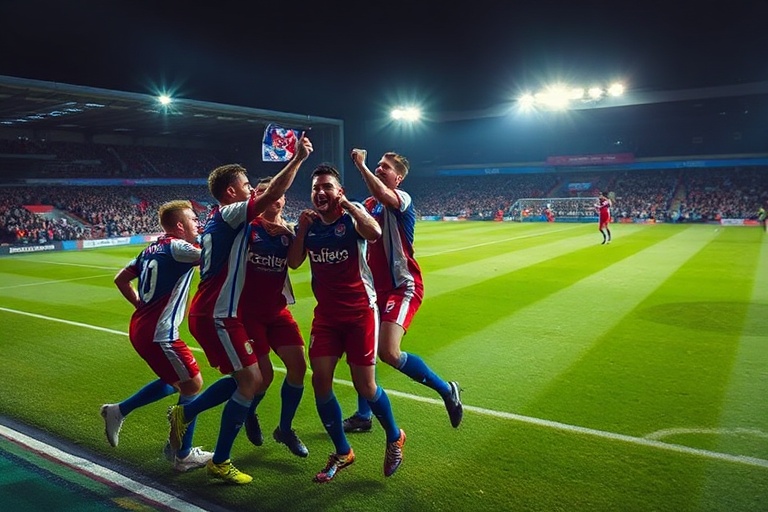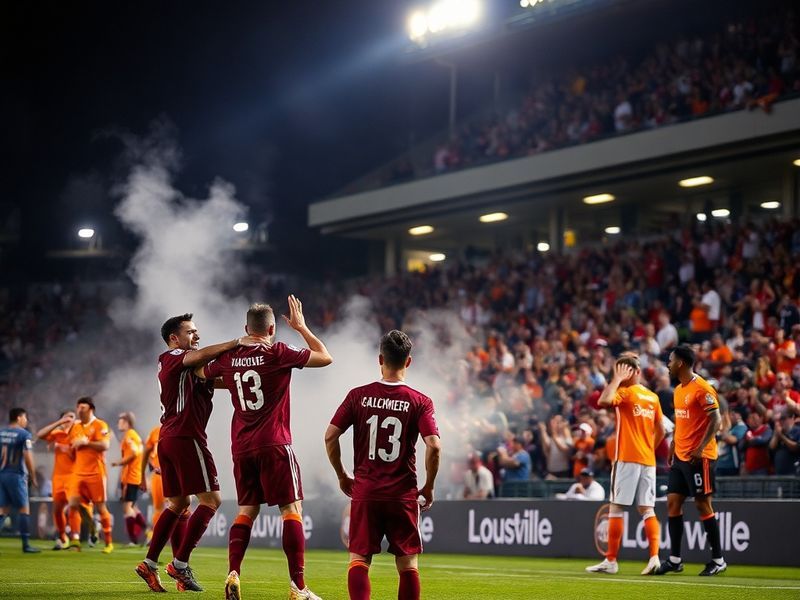
On a humid Tuesday evening at Lynn Family Stadium, Louisville City FC and Houston Dynamo faced off in a high-stakes U.S. Open Cup quarterfinal match that showcased contrasting styles of play. The underdogs from Louisville delivered a performance that left fans and pundits alike questioning whether the Dynamo’s MLS pedigree would be enough to advance.
The match began with Houston controlling possession, as expected from a team featuring multiple Designated Players. However, it was Louisville’s disciplined defensive structure and quick transitions that repeatedly threatened the Dynamo goal. By the final whistle, the scoreboard read 2-1 in favor of Houston, but the scoreline didn’t fully reflect the intensity and tactical nuances of the game.
The Tactical Duel: Pressing vs. Possession
Houston entered the match as heavy favorites, boasting a squad with more than double the average MLS salary budget. Their approach reflected that financial advantage, with goalkeeper Steve Clark seeing plenty of action as Louisville pressed high up the pitch. The Dynamo’s backline, marshaled by captain Adilson Malanda, struggled to play out from the back under pressure, often resorting to long balls that Louisville’s midfielders easily intercepted.
Louisville’s game plan relied on two key elements: compactness in defense and rapid counterattacks. Coach Danny Cruz emphasized midfield control through the tireless running of midfielders Cameron Lancaster and Brian Ownby. Their ability to win second balls and transition quickly into attack kept Houston’s defense on edge throughout the 90 minutes.
Houston’s substitute, Héctor Herrera, provided a glimpse of the Dynamo’s potential late in the game. His arrival shifted the momentum, and his through ball nearly leveled the score before Louisville’s defense held firm. The tactical battle revealed both teams’ strengths and vulnerabilities, setting the stage for a potential rematch in the league season.
Key Moments That Defined the Match
The game turned on a series of pivotal moments, each of which could have swung the match in either direction. Below are the key incidents that shaped the outcome:
- 7th Minute (Louisville Goal): Ownby dispossessed a Houston defender on the right flank before cutting inside and unleashing a curling shot into the far corner. The finish caught Clark off guard and gave Louisville an early lead.
- 22nd Minute (Houston Equalizer): A defensive miscommunication between Louisville’s center-backs allowed Houston’s Darwin Quintero to slip through and slot home past Ben Lundgaard. The goal exposed Louisville’s vulnerability in transition.
- 63rd Minute (Louisville’s Second Goal): A quick free kick caught Houston napping, and Lancaster pounced on a loose ball to fire home his side’s second goal. The Dynamo’s lack of urgency in set-piece situations was a recurring issue.
- 78th Minute (Near-Equalizer):
Herrera’s through ball set up Fafà Picault, but his shot was blocked by a sliding defender. The chance highlighted Houston’s late surge and Louisville’s defensive resilience.
These moments underscored the importance of concentration and tactical discipline, particularly for a lower-division side like Louisville competing against an MLS opponent. While Houston’s individual talent ultimately prevailed, Louisville’s organization and fighting spirit made them a team to watch in future tournaments.
Broader Implications for Both Clubs
The result carries significant implications beyond the U.S. Open Cup. For Louisville City FC, reaching the semifinals of a major tournament validates their status as one of the most consistent teams in the USL Championship. Their performance against an MLS side may also strengthen their case for future CONCACAF club competition berths, should they continue to excel in domestic cups.
Houston’s defeat, while disappointing, offers valuable lessons. The Dynamo’s struggles against high-pressing teams mirror broader challenges faced by expansion franchises still finding their identity. Manager Ben Olsen will need to address defensive vulnerabilities and midfield creativity if Houston hopes to climb the MLS standings.
For the U.S. Open Cup itself, the match reinforced the tournament’s role as a proving ground for underdogs. While MLS teams often dominate headlines, lower-division clubs continue to prove they belong among the nation’s elite. Louisville’s run in the competition, including a potential semifinal clash with Sporting Kansas City or LAFC, could further energize fan interest in the tournament’s early rounds.
What’s Next for Both Teams?
With the U.S. Open Cup semifinal matchups set, Louisville City FC will face either Sporting Kansas City or LAFC, depending on the outcome of their upcoming league match. A win in that game could set up a showdown with another MLS heavyweight, offering Louisville a chance to etch their name into cup history.
Houston, meanwhile, will turn their attention back to MLS play, where they currently sit in the bottom half of the Western Conference. A strong finish to the regular season could still secure them a playoff spot, but the loss to Louisville may prompt Olsen to rethink his tactical approach.
The contrast between the two teams—one a plucky underdog, the other a struggling giant—highlights the unpredictability of cup football. Whether in league play or tournaments, soccer’s beauty often lies in its ability to defy expectations. For Louisville, this match was a statement. For Houston, it was a reminder that talent alone isn’t always enough.
As the season progresses, both clubs will look to build on this experience. One team will carry momentum into future challenges; the other will seek redemption. In a sport where narratives shift as quickly as the weather, this match served as a compelling chapter in the ongoing story of American soccer.
Read more sports news on Dave’s Locker or explore deeper tactical analysis to understand the broader trends shaping the game.