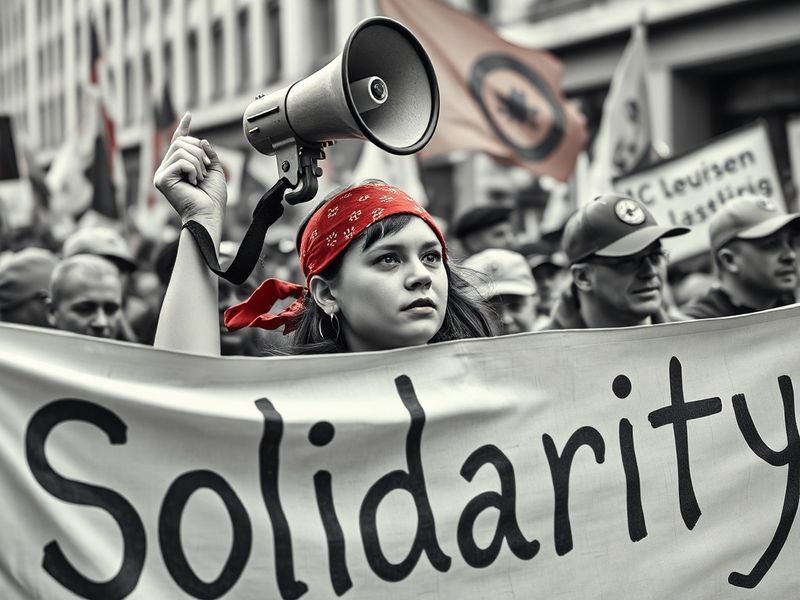
May Day Through the Ages: From Ancient Rituals to Modern Protests
May Day, observed on the first of May, carries layers of meaning that stretch back thousands of years. Its roots intertwine ancient spring festivals with the modern labor movement, creating a day of dual celebration. The origins trace to the Celtic festival of Beltane, a Gaelic tradition marking the midpoint between the spring equinox and summer solstice. Communities would light bonfires and dance around maypoles to welcome fertility and warmer days.
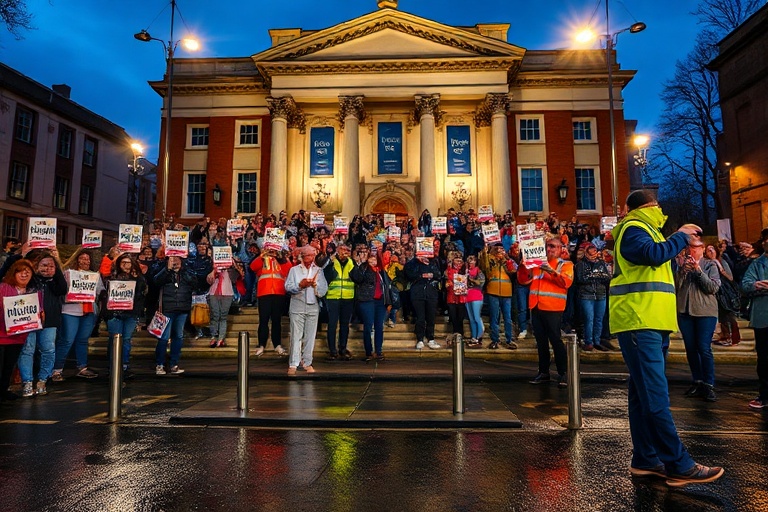
As Christianity spread across Europe, these pagan traditions were often repurposed. The date became associated with the feast of Saint Joseph the Worker in the Catholic Church, though secular celebrations persisted. By the 19th century, May Day evolved again, this time into an international symbol of workers’ rights. The Haymarket affair of 1886 in Chicago—a violent confrontation between labor protesters and police—cemented May 1st as International Workers’ Day in many countries. Today, the holiday reflects both cultural heritage and social progress.
The Maypole Dance: A Symbol of Community and Renewal
The maypole remains one of the most recognizable symbols of May Day. Its origins are debated, but the tradition likely emerged in Germanic and Scandinavian cultures before spreading across Europe. A tall pole decorated with ribbons and flowers becomes the centerpiece of village gatherings, where dancers weave intricate patterns by wrapping and unwrapping the ribbons around the pole.
This ritual isn’t merely decorative; it embodies themes of unity and cyclical renewal. The intertwining ribbons represent the coming together of the community, while the pole itself symbolizes the axis of the world in many mythologies. In some interpretations, the dance mimics the movement of the sun or the growth of crops. Modern celebrations often adapt the tradition for schools and public events, though its deeper significance is sometimes overlooked in favor of its visual appeal.
Labor Day vs. May Day: A Tale of Two Holidays
The distinction between May Day and Labor Day in the United States highlights how holidays evolve differently across cultures. While much of the world celebrates International Workers’ Day on May 1st, the U.S. observes Labor Day in September. This divergence stems from historical and political factors.
The U.S. chose to distance itself from May Day’s socialist associations in the late 19th century. President Grover Cleveland signed Labor Day into law in 1894, positioning it as a less politically charged alternative. Meanwhile, countries like Germany, France, and Russia embraced May Day as a public holiday tied to workers’ rights and left-leaning movements. The contrast reveals how holidays can serve as mirrors of national identity and political values.
Global Traditions: How Different Countries Celebrate May Day
May Day’s observance varies widely, reflecting local customs and historical contexts. In the United Kingdom, the bank holiday on the first Monday of May often includes morris dancing—a traditional English folk dance performed in villages. Spain and Portugal celebrate with Fiesta del Trabajo, featuring parades and political speeches that underscore labor rights. Meanwhile, Scandinavian countries like Sweden and Finland embrace the day as a spring festival, with children making flower crowns and families enjoying outdoor picnics.
- Germany: Known as Tag der Arbeit, it’s a day for political demonstrations, particularly by trade unions and left-wing groups. Berlin’s demonstrations often draw hundreds of thousands.
- Italy: Celebrates with Calendimaggio, a medieval festival in Assisi where locals reenact historical events and perform traditional music.
- India: Observes May Day as Antarrashtriya Shramik Diwas, with rallies organized by labor unions across major cities.
- Mexico: The day is tied to Día del Trabajo, marked by marches and cultural events advocating for workers’ welfare.
- Finland: Embraces the holiday as Vappu, a lively student celebration featuring champagne, donuts, and the donning of white caps.
These diverse celebrations underscore May Day’s adaptability. Whether as a protest platform or a festive occasion, the holiday remains a testament to humanity’s enduring connection to labor, nature, and community.
May Day in Pop Culture: From Folklore to Modern Media
May Day’s influence extends beyond traditional celebrations into literature, music, and film. Shakespeare’s A Midsummer Night’s Dream draws on Beltane imagery, with fairies and magical mischief evoking the holiday’s mystical roots. In modern times, the date has been used to signal rebellion or transformation. For instance, the 1998 sci-fi film Dark City uses May 1st as a pivotal moment in its plot, tying it to themes of identity and control.
Music has also embraced May Day’s symbolism. The English folk-rock band Steeleye Span released a song titled Gone to Germany in 1980, referencing the holiday’s Germanic traditions. More recently, indie bands like The Decemberists have referenced May Day in their lyrics, blending historical and contemporary themes. Even in video games, the holiday appears as a backdrop for storytelling. Titles like The Witcher 3: Wild Hunt incorporate May Day festivities as part of their immersive world-building.
The Commercialization of May Day: A Double-Edged Sword
Like many holidays, May Day has faced commercialization in the 21st century. Florists and gift shops market May Day baskets filled with candy and flowers, a modern echo of the ancient tradition of leaving small gifts at neighbors’ doors. Retailers capitalize on the spring season, promoting outdoor furniture and gardening tools as perfect May Day purchases. While these adaptations make the holiday more accessible, they can dilute its original significance.
Critics argue that the commercialization of May Day risks overshadowing its deeper meanings. For labor activists, the day’s political roots are paramount. Trade unions often use the occasion to highlight ongoing struggles, such as fair wages or safe working conditions. Meanwhile, environmentalists point to the holiday’s ties to nature, advocating for sustainable practices as part of the spring celebration. The tension between commerce and culture remains a defining feature of modern May Day observances.
Why May Day Still Matters Today
In an era of rapid globalization and technological advancement, May Day serves as a reminder of the human element behind economic systems. It challenges us to consider the value of labor, the importance of community, and the cyclical nature of life. The holiday’s dual identity—as both a spring festival and a day of protest—reflects the complexity of human societies.
For younger generations, May Day offers an opportunity to reconnect with traditions that predate modern capitalism. Schools and community groups often organize maypole dances or flower crown workshops, introducing children to the holiday’s cultural heritage. At the same time, the labor movement continues to use May Day as a platform for advocacy, addressing issues like gig economy rights and workplace diversity.
Ultimately, May Day’s enduring relevance lies in its ability to adapt while retaining its core messages. Whether celebrated with a quiet picnic in a park or a boisterous protest in a city square, the holiday invites reflection on what it means to work, to belong, and to thrive. As societies evolve, May Day reminds us to honor both our past and our collective future.
For more on cultural traditions, explore our Culture section. To dive into labor history, check out our Politics archives.