In an era dominated by digital distractions and constant connectivity, the timeless tradition of fishing continues to thrive as a beloved pastime. The phrase “Ted gone fishing“—often used as a playful euphemism for someone taking a break or disappearing for a while—has taken on new meaning in recent years. No longer just a quirky idiom, fishing has evolved into a cultural touchstone, blending nostalgia with modern relevance. This article explores the enduring appeal of fishing, its unexpected role in mental well-being, and how it has adapted to the digital age.
The Unexpected Comeback of a Classic Hobby
Fishing has seen a resurgence in popularity, particularly among younger generations who are rediscovering analog activities. According to a 2023 report from the U.S. Fish and Wildlife Service, participation in recreational fishing grew by 7% between 2019 and 2022, reversing a decades-long decline. This trend isn’t just about nostalgia; it reflects a broader shift toward experiences that offer tangible, tactile satisfaction in an increasingly virtual world.
For many, fishing represents more than just catching fish. It’s about the rhythm of the water, the patience required to wait for a bite, and the simplicity of being outdoors. This meditative quality has made it a go-to activity for those seeking escape from the relentless pace of modern life. The rise of “slow living” movements has further fueled this interest, positioning fishing as a form of resistance against the cult of productivity.
Communities have also played a key role in this revival. Local fishing clubs and online forums have sprung up, offering both beginners and seasoned anglers a space to share tips, stories, and locations. Platforms like Dave’s Locker have become hubs for discussing everything from the best bait for bass to the most scenic fly-fishing spots in the country.
Fishing as a Mental Health Sanctuary
Beyond its recreational value, fishing has gained recognition for its mental health benefits. Studies have shown that spending time near water can reduce stress, lower cortisol levels, and improve overall mood. The act of fishing itself—a blend of focus, patience, and anticipation—has been compared to mindfulness meditation. A 2022 study published in the International Journal of Environmental Research and Public Health found that anglers reported significantly lower levels of anxiety and depression compared to the general population.
Therapists and wellness coaches have begun incorporating fishing into treatment plans for patients struggling with burnout or PTSD. The repetitive motions of casting, the quiet of a lakeside morning, and the satisfaction of reeling in a catch create a unique environment for reflection and healing. For veterans, in particular, fishing programs have become a form of therapy, helping them reconnect with nature and each other.
This therapeutic aspect has also made fishing a popular activity for families. Parents looking to unplug their children from screens often turn to fishing as a way to bond while teaching patience and perseverance. The shared experience of waiting for a catch—or celebrating a successful one—creates memories that digital interactions simply can’t replicate.
How Technology Has Transformed Fishing
While fishing is often seen as a low-tech activity, modern innovations have significantly enhanced the experience. From high-tech fish finders to GPS-enabled boats, technology has made fishing more accessible and efficient for enthusiasts of all skill levels. Brands like Garmin and Lowrance have developed devices that map underwater terrain, track fish movements, and even predict weather patterns, giving anglers an edge they never had before.
Social media has also played a surprising role in the fishing community. Platforms like Instagram and TikTok are filled with fishing content, from epic catch videos to tutorials on tying the perfect knot. Influencers like @FishingWithJake and @TheHappyAngler have amassed thousands of followers by sharing their adventures, tips, and gear reviews. This digital exposure has introduced fishing to new audiences, particularly younger demographics who might not have considered it otherwise.
However, not all technological advancements have been universally welcomed. Purists argue that the essence of fishing lies in its simplicity and disconnect from modern life. They worry that over-reliance on gadgets can detract from the raw, unfiltered experience of being in nature. The debate continues: Is technology enhancing fishing, or is it diluting its soul?
The Economic and Environmental Impact of Fishing
Fishing isn’t just a personal hobby; it’s an economic driver with far-reaching implications. According to the Outdoor Industry Association, recreational fishing contributes over $100 billion annually to the U.S. economy, supporting jobs in manufacturing, tourism, and conservation. Local bait shops, fishing guides, and lodges thrive on the steady stream of anglers who travel near and far for the perfect spot.
Yet, the industry also faces challenges, particularly around sustainability. Overfishing, habitat destruction, and climate change threaten fish populations and the ecosystems they depend on. Conservation efforts have become a priority for many anglers, who recognize that their hobby depends on healthy waters. Organizations like Trout Unlimited and the Bonefish & Tarpon Trust work tirelessly to protect habitats and advocate for responsible fishing practices.
Anglers themselves are increasingly adopting catch-and-release practices, using barbless hooks and minimizing handling time to ensure fish survive. Some even participate in citizen science projects, reporting data on fish populations to help researchers track trends and inform conservation policies. This growing awareness reflects a broader cultural shift toward environmental stewardship.
A Day in the Life of an Angler
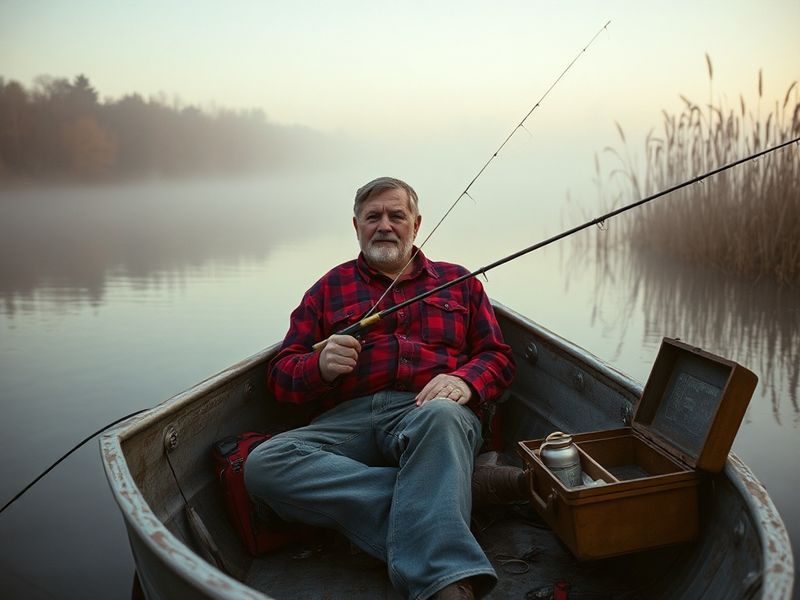
To better understand the allure of fishing, consider a typical day on the water. For many, it starts before dawn, with a thermos of coffee and a well-worn rod in hand. The early hours offer the best chance for a successful catch, as fish are most active when the water is cool. The journey to the fishing spot—whether it’s a secluded lake, a winding river, or the open ocean—is often as rewarding as the destination itself. The rhythm of the road, the changing landscapes, and the anticipation of what lies ahead create a sense of adventure.
Once at the spot, the angler settles in, casting their line with practiced ease. The first hour might pass without a bite, but that’s part of the experience. It’s not about instant gratification; it’s about the process. Conversations with fellow anglers, the occasional wildlife sighting, and the simple joy of being outdoors fill the time. When a fish finally takes the bait, the thrill is immediate and visceral—a reminder of nature’s power and unpredictability.
For Ted, whether he’s a fictional character or a real-life enthusiast, fishing represents more than just a pastime. It’s a way to reset, to connect with something deeper, and to escape the noise of the modern world. In a society that often glorifies busyness, fishing offers a quiet rebellion: the art of doing nothing, and doing it well.
Why Fishing Endures in a Digital World
In a culture obsessed with instant gratification, fishing stands out as an activity that demands patience and presence. It’s a reminder that some of life’s greatest rewards come not from speed or efficiency, but from slowing down and savoring the moment. Whether it’s the thrill of the catch, the peace of the surroundings, or the camaraderie among anglers, fishing offers something irreplaceable.
As we navigate an increasingly complex world, the simplicity of Ted gone fishing might just be the escape we all need. It’s a testament to the enduring power of nature, tradition, and the quiet moments that shape us. So the next time you hear someone say they’re “gone fishing,” remember: it’s not just about the fish. It’s about the journey, the stillness, and the chance to reconnect with what truly matters.
For those inspired to try fishing for themselves, the first step is simple: grab a rod, find a body of water, and cast a line. The rest will follow.