The Cairo Derby between Zamalek and Al Ahly isn’t just a football match. It’s a cultural institution, a historical rivalry, and a spectacle that transcends sport. Played in front of packed stadiums and watched by millions across Egypt and beyond, this fixture represents much more than points in a league table. It embodies regional pride, generational pride, and the very soul of Egyptian football.
The two clubs have dominated Egyptian football for over a century, but their rivalry extends into boardrooms, living rooms, and even political discussions. This isn’t merely a sporting contest; it’s a clash of identities where Zamalek often represents the wealthy elite of Zamalek district, while Al Ahly is traditionally seen as the club of the working class and the broader Arab world.
The History Behind the Rivalry
Established in 1911, Al Ahly Sporting Club was founded by nationalist students resisting British colonial rule. Their early years were marked by defiance and community-building. Zamalek, originally named “Qasr El Nil,” was founded in 1911 as well but officially renamed in 1941. While Al Ahly emerged from political activism, Zamalek grew as an elite club with royal connections, reflecting Egypt’s social stratification during the monarchy era.
The first official match between the two sides took place in 1948. Since then, the fixture has been played over 150 times in various competitions, including the Egyptian Premier League, Egypt Cup, and CAF Champions League. Al Ahly holds a historical edge in head-to-head records, but the psychological edge often swings depending on recent form and fan sentiment.
Key moments in this rivalry include:
- 1976 Egypt Cup final: Zamalek won 2-1 in a tense match that required a replay after the first game ended 1-1.
- 2016 CAF Champions League final: Al Ahly defeated Zamalek in a dramatic two-legged final, sparking celebrations across Cairo.
- 2021 league meeting: A 1-1 draw at Al Ahly’s Borg El Arab Stadium was marred by crowd trouble and postponed celebrations.
What Makes the Cairo Derby Unique
Unlike many football rivalries that are rooted in geography or history, the Zamalek vs Al Ahly fixture is uniquely defined by social identity. Al Ahly fans, known as “Ahlawy,” often come from working-class backgrounds across Egypt, while Zamalek’s supporters, the “Blue Shirts,” are frequently associated with Cairo’s affluent Zamalek district and expatriate communities.
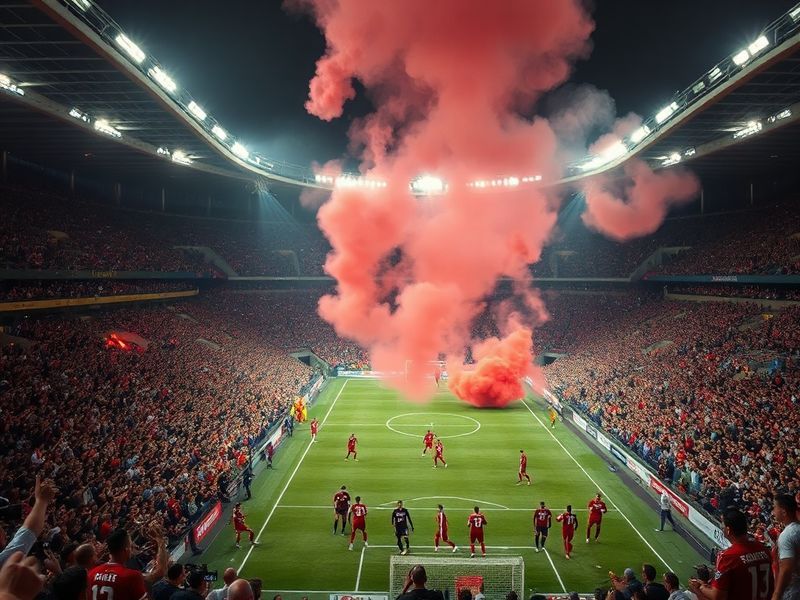
The fan culture surrounding these matches is intense. Choreographies, drumming, and chanting fill stadiums long before kickoff. Flags, banners, and pyrotechnics create an atmosphere that rivals some of Europe’s most famous derbies. The songs sung by both sets of fans often reference social issues, national pride, and historical grievances, making each derby not just a sporting event but a cultural statement.
Security is always a major concern. Matches are typically played behind closed doors or with heavy police presence due to past incidents of violence. The Egyptian Football Association has repeatedly adjusted regulations to manage the risk, yet the passion of the fans remains undiminished.
The Broader Impact on Egyptian Football
This rivalry doesn’t exist in a vacuum. It shapes Egyptian football at every level. The dominance of these two clubs in domestic competitions has led to debates about competitive balance. Al Ahly has won the league 42 times, while Zamalek has claimed it 14 times—numbers that reflect their historical strength but also raise questions about the sustainability of the league’s competitiveness.
The rivalry has also influenced youth development. Many young footballers in Cairo grow up dreaming of playing for one of these clubs. The pressure to perform in the derby can either accelerate careers or end them prematurely, depending on form and media scrutiny.
Financially, the derby is a goldmine. Sponsorship deals, broadcasting rights, and merchandise sales surge during derby weeks. But the financial disparity between the two clubs—Al Ahly often has greater resources due to larger fan bases and commercial deals—has led to accusations of imbalance in league competition.
On a broader scale, the Zamalek vs Al Ahly rivalry reflects Egypt’s social and political landscape. During the Arab Spring in 2011, both clubs temporarily suspended activities as a sign of national mourning. After the 2013 political upheaval, football stadiums were closed for years, and derby matches were among the first to return once restrictions eased. This shows how deeply football is intertwined with Egypt’s national identity.
Looking Ahead: What’s Next for the Rivalry
As Egyptian football evolves, so does this rivalry. Both clubs are investing in youth academies and technology to improve performance. Al Ahly has expanded its commercial reach across Africa, while Zamalek has focused on rebuilding its squad with young talent and strategic signings.
The CAF Champions League remains a key battleground. With African football growing in global prominence, victories in continental competitions carry more weight than ever. Both clubs see continental success as a way to assert dominance beyond Egypt’s borders.
Fan engagement is also changing. Social media has given rise to new forms of rivalry—online banter, memes, and digital campaigns now complement the physical spectacle. Yet, the core of the derby remains unchanged: pride, passion, and history.
As long as Egyptian football exists, the Zamalek vs Al Ahly derby will remain its beating heart. It’s more than a game. It’s a weekly reminder of who we are, where we come from, and what we aspire to become.
For now, the next chapter is unwritten. But one thing is certain: when the two teams step onto the pitch, all of Egypt watches—and waits.
For more insights into Egyptian football and how rivalries shape the sport, visit our Sports and Analysis sections.