Cambridge: How a Historic City Became a Global Innovation Hub
Cambridge: A City Where History and Innovation Collide
Few places on Earth blend academic prestige with modern dynamism as seamlessly as Cambridge, England. This city of spires and startups has evolved from a medieval market town into a global powerhouse of education, science, and culture. Its cobbled streets and cutting-edge laboratories tell a story of continuity and change, where the past is preserved in stone and the future is written in code.
The University of Cambridge, founded in 1209, anchors the city’s identity. With 31 colleges under its umbrella, the institution has produced luminaries like Isaac Newton, Stephen Hawking, and Francis Bacon. Yet Cambridge’s influence extends far beyond its historic colleges. The city has become a magnet for innovation, particularly in technology and biotech, earning it the nickname “Silicon Fen.” This blend of tradition and progress makes Cambridge a microcosm of how ancient institutions can adapt to meet modern challenges.
The Academic Heartbeat of the World
The university’s reputation precedes it. Consistently ranked among the top three universities globally, Cambridge attracts scholars, researchers, and students from every corner of the planet. Its admissions process is notoriously rigorous, with acceptance rates often below 20% for undergraduate programs. The university’s commitment to excellence is matched only by its willingness to push boundaries. From the discovery of the structure of DNA to breakthroughs in artificial intelligence, Cambridge remains at the forefront of intellectual exploration.
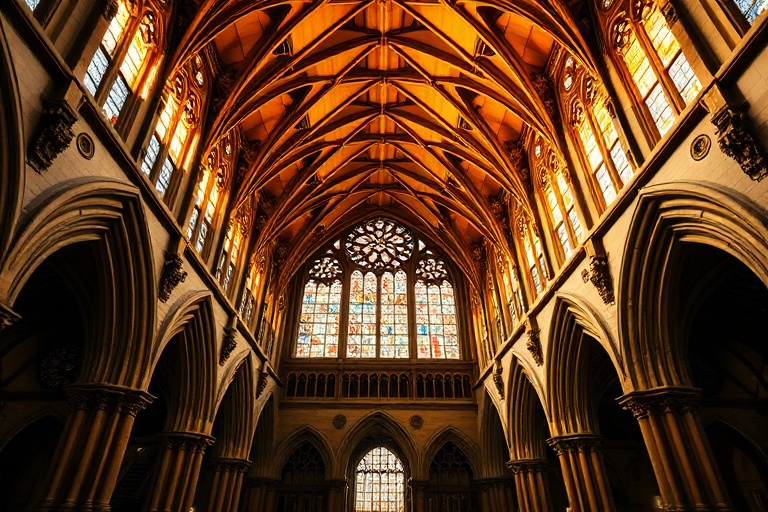
But the university’s impact isn’t confined to its laboratories or lecture halls. Cambridge’s colleges serve as miniature intellectual communities, each with its own traditions, architecture, and areas of expertise. King’s College, with its iconic chapel, is synonymous with choral music, while Trinity College boasts an alumni list that reads like a who’s-who of British history. The colleges also play a pivotal role in the city’s social fabric, hosting concerts, debates, and public lectures that draw locals and visitors alike.
Beyond the University Gates: Cambridge’s Cultural Tapestry
While the university dominates Cambridge’s skyline, the city thrives as a cultural hub independent of its academic reputation. The Fitzwilliam Museum, one of the finest art and antiquities museums in the UK, houses everything from ancient Egyptian artifacts to works by Titian and Monet. The Cambridge Corn Exchange, a former Victorian market hall, now hosts everything from classical concerts to stand-up comedy, proving the city’s versatility as an entertainment venue.
The city’s literary legacy is equally impressive. Cambridge has been home to poets like Lord Byron and novelists like Zadie Smith, who set part of her novel White Teeth in the city. The Cambridge Literary Festival draws authors and readers from around the world, fostering a community where storytelling and scholarship intersect. Even the city’s pubs have literary pedigrees; The Eagle, a historic pub near the university, was where Francis Crick and James Watson announced their discovery of DNA’s structure.
Innovation in the Shadow of Spires
Cambridge’s transformation into a tech hub didn’t happen overnight. The city’s transformation began in the 1970s when a group of computer scientists and entrepreneurs, many with ties to the university, started experimenting with new technologies. Today, the Cambridge Science Park is one of the most successful business parks in Europe, home to over 100 companies specializing in fields like biotech, clean energy, and AI. Companies like ARM Holdings, which designs the processors found in most smartphones, have roots in Cambridge and continue to shape global technology.
This innovation ecosystem is supported by a collaborative culture that bridges academia and industry. The Cambridge Cluster, often called the “Cambridge Phenomenon,” is a testament to how universities can drive economic growth. Startups incubated in university labs often find support from venture capital firms and government grants, creating a virtuous cycle of research and commercialization. The city’s startup scene is diverse, ranging from deep-tech ventures to social enterprises addressing global challenges like climate change and healthcare access.
The city’s commitment to sustainability further underscores its forward-thinking ethos. Cambridge has pledged to become carbon-neutral by 2030, a goal supported by initiatives like the Cambridge Zero initiative. This project brings together researchers, policymakers, and businesses to develop solutions for a sustainable future. From electric vehicle charging stations to community energy projects, the city is taking tangible steps to reduce its environmental footprint.
A Global Crossroads with Local Charm
Cambridge’s international appeal is undeniable. The city attracts tourists eager to walk in the footsteps of Newton and Darwin, but it also draws professionals seeking to work in its thriving tech sector. The influx of international students and workers has created a cosmopolitan atmosphere, with restaurants serving everything from Cambodian cuisine to Colombian coffee. The city’s diverse population is reflected in its festivals, which celebrate everything from Caribbean culture to Japanese anime.
Yet, for all its global connections, Cambridge retains a distinctly local character. The Cambridge Market Square, operating since the 13th century, is a bustling hub where farmers sell fresh produce alongside artisans offering handmade crafts. The city’s markets are a reminder that, despite its global reputation, Cambridge is first and foremost a place where people live, work, and interact. This balance between the local and the global is perhaps what makes Cambridge so compelling—a city that feels both timeless and on the cutting edge.
Challenges and Opportunities on the Horizon
Despite its many strengths, Cambridge faces challenges. The city’s rapid growth has put pressure on housing, with demand far outstripping supply. Rising property prices have priced out many long-term residents, transforming parts of the city into enclaves for the affluent. The university’s expansion has also sparked debates about the impact on the city’s infrastructure, from traffic congestion to strain on public services.
Brexit has added another layer of complexity. While the university remains a magnet for international talent, the UK’s departure from the EU has introduced uncertainties around funding, visas, and collaboration. The pandemic further disrupted Cambridge’s rhythm, forcing the university to adapt to remote learning and forcing tech companies to rethink their operations. Yet, these challenges have also spurred innovation. The university’s rapid response to COVID-19, including vaccine research, demonstrated its ability to pivot and lead during crises.
The Future of Cambridge: A Blueprint for Other Cities?
Cambridge’s ability to navigate these challenges will shape its future. The city’s leaders are exploring solutions like affordable housing initiatives and sustainable urban planning to ensure that growth doesn’t come at the expense of livability. The university, too, is rethinking its role in the community, with initiatives aimed at increasing access for students from less privileged backgrounds.
The city’s story offers lessons for other urban centers grappling with the tension between tradition and progress. Cambridge proves that history and innovation aren’t mutually exclusive; they can coexist and even reinforce each other. As the world becomes increasingly interconnected, Cambridge’s model of blending academic excellence with entrepreneurial spirit may serve as a blueprint for cities aiming to thrive in the 21st century.
Whether you’re a student walking through King’s College Chapel, a tech entrepreneur networking in a co-working space, or a traveler soaking in the city’s history, Cambridge offers something for everyone. It’s a place where the past is always present, but the future is always within reach.