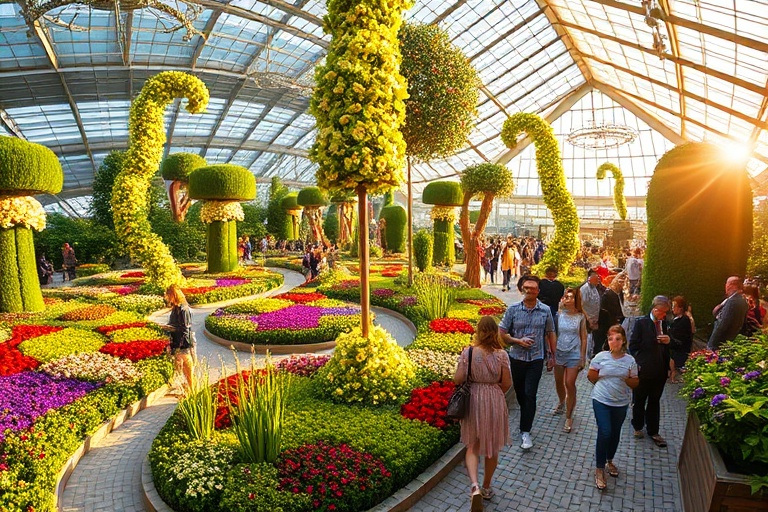
Chelsea Flower Show 2026: Trends, Sustainability & What to Expect
The Royal Horticultural Society (RHS) has announced that the 2026 Chelsea Flower Show will take place from May 19 to 23, marking another year of horticultural innovation and artistic expression on the grounds of the Royal Hospital Chelsea. As one of the most prestigious garden design events in the world, the show continues to push boundaries in sustainability, technology, and aesthetic creativity. With preparations already underway, anticipation is building for what promises to be a landmark edition.
Why the Chelsea Flower Show Remains a Global Benchmark
Since its inception in 1913, the Chelsea Flower Show has grown from a modest gardening exhibition into a cultural institution that attracts over 160,000 visitors annually. Its reputation stems not only from the sheer artistry of its show gardens but also from its role as a testing ground for new ideas in horticulture and landscape design. The event is a convergence of tradition and modernity, where centuries-old gardening techniques meet cutting-edge environmental science.
In recent years, the show has increasingly focused on sustainability, reflecting broader societal shifts toward eco-conscious living. The 2026 edition is expected to emphasize drought-resistant planting, carbon-negative landscapes, and the integration of biodiversity corridors into residential and urban designs. This evolution aligns with the RHS’s “Greening Grey Britain” initiative, which aims to increase green spaces in cities across the UK.
A Glimpse at the Show’s Signature Features
The Chelsea Flower Show is renowned for several distinct elements that define its identity:
- Show Gardens: Large-scale, professionally designed gardens that often push the limits of creativity and engineering. These are judged and frequently inspire trends in private and public landscaping.
- Artisan Gardens: Smaller, handcrafted spaces that highlight artisanal skill and storytelling through plants and materials.
- Floral Marquee: A sprawling exhibition of rare and exotic plants, often featuring blooms that have never been seen in cultivation before.
- Talks and Workshops: Educational sessions led by leading horticulturists, designers, and environmentalists, offering insights into everything from permaculture to digital garden planning tools.
For those planning to attend, the 2026 show will likely offer new interactive experiences, including augmented reality (AR) tours that allow visitors to visualize plant growth over time or simulate the effects of climate change on garden ecosystems. Such innovations are not just for entertainment—they serve as educational tools, helping the public understand the urgent need for sustainable gardening practices.
Sustainability Takes Center Stage: The 2026 Focus Areas
Sustainability is no longer a peripheral concern at Chelsea; it has become a core theme. The RHS has made clear that the 2026 show will prioritize gardens that demonstrate measurable ecological benefits. This includes:
- Carbon Sequestration: Gardens designed to absorb more carbon dioxide than they emit, often through dense planting schemes and the use of biochar in soil.
- Water Conservation: Innovative irrigation systems, such as drip-fed hydroponics and rainwater harvesting, that reduce water waste in an era of increasing droughts.
- Native Plant Integration: The use of locally adapted species that support pollinators and reduce the need for chemical inputs.
- Upcycled Materials: Structures built from reclaimed wood, recycled plastics, and even mycelium-based composites that decompose harmlessly after the show.
One of the most anticipated gardens in 2026 is expected to be a collaboration between landscape architects and marine biologists, showcasing a coastal “blue garden” that mimics tidal ecosystems. This reflects a growing trend in garden design: the blurring of lines between terrestrial and aquatic habitats to promote biodiversity.
Such themes resonate deeply in a post-pandemic world where outdoor spaces have taken on renewed importance. The pandemic accelerated interest in private gardens, allotments, and community green spaces, and Chelsea 2026 is poised to reflect that cultural shift. The show’s influence extends beyond the event itself, shaping everything from suburban garden trends to municipal urban planning policies.
Broader Implications: How Chelsea Shapes the Future of Gardening
The Chelsea Flower Show has long been more than an exhibition—it is a bellwether for the horticultural industry. Designs and materials showcased at Chelsea often trickle down into mainstream gardening within a year or two, influencing everything from seed catalogs to high-street garden center offerings. The 2026 show is expected to accelerate several key trends:
- Technology Integration: Smart gardening tools, from soil sensors that monitor pH levels to AI-driven plant identification apps, are becoming standard. The show will likely feature a dedicated “tech garden” demonstrating these tools in action.
- Edible Landscaping: The blending of ornamental and edible plants is gaining traction as homeowners seek both beauty and functionality. Expect to see more fruit-bearing hedges, herb spirals, and vegetable-integrated borders.
- Mental Health and Wellbeing: Gardens designed for therapeutic purposes—such as sensory pathways, quiet meditation nooks, and spaces for horticultural therapy—are becoming more common.
The show’s emphasis on mental health aligns with a broader recognition of the role that nature plays in human wellbeing. Studies have shown that even small doses of gardening can reduce cortisol levels and improve mood. Chelsea 2026 may well introduce “wellbeing gardens” that are open for quiet reflection, a far cry from the competitive show gardens of past decades.
Another significant trend is the rise of “rewilding gardens,” where human intervention is minimal, and nature is allowed to take the lead. These gardens often feature native grasses, wildflowers, and unmown areas that support declining insect populations. While controversial among traditionalists, such designs are gaining traction as climate change forces a reevaluation of what a “perfect” garden should look like.
Planning for Chelsea 2026: Tips for Attendees and Participants
Whether you’re a seasoned exhibitor, a first-time visitor, or an industry professional, preparing for Chelsea requires strategy. Here are key considerations for making the most of the 2026 show:
- Early Bird Access: Tickets for the first two days are often sold out months in advance. Register early to secure entry, especially if you’re interested in the trade days.
- Networking Opportunities: The show is a hub for designers, suppliers, and enthusiasts. Attend evening receptions and panel discussions to connect with industry leaders. The Entertainment section on Dave’s Locker regularly covers design and lifestyle events that complement Chelsea’s themes.
- Sustainable Travel: With London’s transport system under strain, consider arriving early or using park-and-ride services. Some hotels offer shuttle buses to the venue.
- Budget for Extras: Beyond ticket prices, factor in costs for food, plants, and exclusive merchandise. The floral marquee and artisan gardens often feature limited-edition plants that sell out quickly.
- Post-Show Follow-Up: Many exhibitors and designers use the show as a launchpad for new products or services. Follow up with contacts you make to explore collaborations or purchase unique plants.
For those unable to attend in person, the RHS typically livestreams key events and offers virtual tours. The 2026 show may also introduce more immersive digital experiences, allowing global audiences to engage with the event remotely.
A Final Thought: The Enduring Legacy of Chelsea
The Chelsea Flower Show endures because it evolves. It balances tradition with innovation, art with science, and beauty with purpose. In an era of environmental crisis, the show’s focus on sustainability is not just timely—it is necessary. The gardens of 2026 will likely reflect a world grappling with climate change, biodiversity loss, and the search for meaning in our relationship with nature.
Yet, at its heart, Chelsea remains a celebration. A celebration of color, of growth, of human ingenuity in harmony with the natural world. As we look ahead to next May, one thing is certain: the 2026 Chelsea Flower Show will not only reflect the state of gardening today but will also shape its future for generations to come.