How Funerals Reflect Culture: Traditions, Trends, and Global Perspectives
Funerals are one of humanity’s most universal experiences—yet they unfold in vastly different ways across the globe. These ceremonies serve not just as farewells, but as reflections of cultural identity, spiritual belief, and social values. From the vibrant processions of New Orleans jazz funerals to the quiet meditation of Tibetan sky burials, the rituals surrounding death offer a profound window into how societies grapple with loss, memory, and the afterlife.
While modern trends push toward secularization and personalization, traditional practices persist, sometimes blending old customs with new expressions of grief. Understanding these diverse funeral traditions reveals much about the people who uphold them—and how they adapt in an increasingly interconnected world.
The Role of Funerals in Different Societies
Funerals are not merely events; they are communal acts that reinforce social bonds and transmit cultural values. In many societies, the funeral is the final chapter in a person’s social narrative, ensuring their memory lives on through storytelling, ritual, and shared experience.
For example, in Ghana, elaborate fantasy coffins shaped like animals, cars, or even airplanes are crafted to reflect the deceased’s life or aspirations. These vibrant, personalized coffins turn the funeral into a celebration rather than a somber occasion. The practice stems from the belief that death is not an end but a transition into another form of existence. Similarly, in Madagascar, the Famadihana—or “turning of the bones”—involves exhuming ancestors, wrapping them in fresh cloth, and dancing with them. This ritual, though rare today, underscores a belief in ongoing familial connection beyond death.
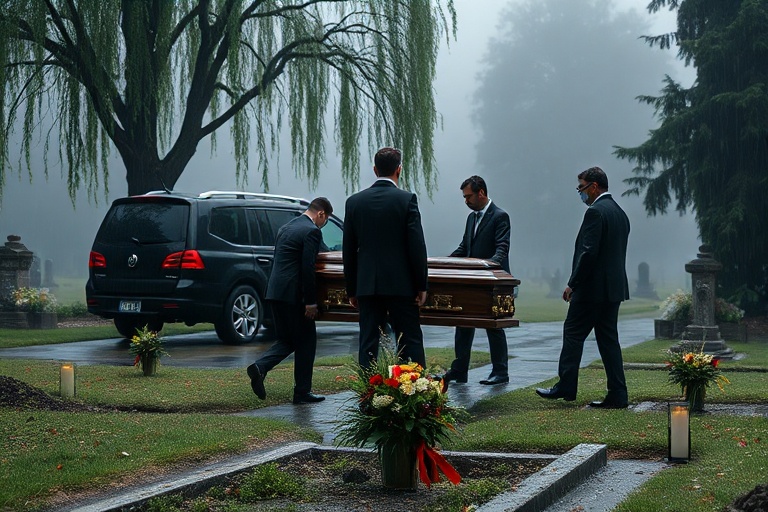
In contrast, Western traditions often emphasize individualism and memorialization. In the United States and much of Europe, funerals have increasingly shifted from religious services to personalized celebrations of life, complete with photo displays, favorite music, and even themed gatherings. This reflects a broader cultural trend toward emphasizing personal identity even in death.
Rituals That Guide the Journey
Many funeral traditions are designed to guide the deceased—and the living—through the transition from life to death. These rituals often follow a structured sequence, each step serving a symbolic or practical purpose.
In Islam, the janazah (funeral prayer) is typically held within 24 hours of death, emphasizing swift burial and collective prayer for the deceased’s soul. The body is washed, shrouded in white, and buried without a coffin, directly in the earth, facing Mecca. This simplicity reflects a belief in equality before God and the transient nature of life.
In Hindu tradition, cremation is the preferred method, with the ashes often scattered in the Ganges River—a sacred act believed to purify the soul and aid its journey toward moksha (liberation from the cycle of rebirth). The 13-day mourning period, known as thirteen days, includes daily rituals performed by family members to honor the deceased and guide their spirit.
Meanwhile, in Japan, Buddhist funerals often include the kotsuage, where family members use special chopsticks to transfer the deceased’s bones into an urn. This ritual, known as “bone-picking,” is both practical and symbolic, representing the care and respect owed to the dead. The practice also underscores the Japanese concept of omotenashi—the spirit of selfless hospitality—extended even to the deceased.
Modern Shifts and the Rise of Personalized Funerals
As societies become more secular and individualistic, traditional funeral customs are increasingly being reimagined. Many families now opt for “celebrations of life” rather than somber ceremonies, incorporating elements that reflect the personality of the deceased—whether through favorite colors, hobbies, or even unconventional venues like parks, beaches, or sports stadiums.
Green burials are another growing trend, particularly in environmentally conscious communities. These funerals forgo embalming chemicals and use biodegradable caskets or shrouds, allowing the body to decompose naturally and return to the earth. The concept appeals to those who wish to minimize their ecological footprint even in death.
Technology is also reshaping funeral practices. Livestreamed funerals allow distant family members to participate, while virtual memorials and online guestbooks provide new ways to share memories. Some startups even offer “digital afterlife” services, where AI-generated chatbots mimic the deceased’s voice or personality to interact with loved ones—a controversial but increasingly discussed option.
Yet, despite these innovations, many cultures remain deeply rooted in tradition. In South Korea, for instance, Confucian funeral rites are still widely observed, with multi-day ceremonies that include elaborate ancestor worship. Similarly, in Jewish tradition, the shiva—a seven-day mourning period—is observed with strict customs, including covering mirrors and sitting on low stools to symbolize grief.
Cultural Clashes and Ethical Dilemmas
Globalization has led to encounters between vastly different funeral traditions, sometimes sparking tension or misunderstanding. For example, a family practicing a traditional sky burial in Tibet may face resistance from authorities who view the practice as unhygienic or illegal. Similarly, the use of drones to scatter ashes in remote locations has raised concerns among conservationists and indigenous communities who see such actions as disrespectful to sacred land.
Another ethical dilemma arises in cases where a person’s religious or cultural background conflicts with their stated wishes. For instance, a person raised in a secular family but with distant Jewish ancestry may request a traditional Jewish funeral, only to face resistance from a rabbi who questions the authenticity of their connection. These situations highlight the tension between personal identity and communal tradition.
Even within cultures, views on death and funerals are evolving. In China, where ancestor worship has been practiced for millennia, younger generations are increasingly opting for simpler, Western-style funerals. Some families now choose cremation over burial due to rising land costs, despite traditional beliefs that favor burial as a way to honor ancestors.
What Funerals Tell Us About Life and Legacy
Funerals are more than just farewells—they are mirrors held up to society, reflecting our deepest values, fears, and hopes. They reveal how we confront mortality, how we define community, and how we seek meaning in the face of loss.
In some cultures, funerals are raucous affairs filled with music and laughter, celebrating a life well-lived. In others, they are solemn and reflective, emphasizing the gravity of death. Some traditions prioritize the needs of the living, while others focus on guiding the deceased into the afterlife. These differences underscore a fundamental truth: while death is universal, the way we mourn is deeply personal—and deeply cultural.
As the world becomes more interconnected, funeral practices are likely to continue evolving. Hybrid ceremonies that blend traditions from different cultures may become more common, especially in multicultural societies. Meanwhile, environmental concerns and technological advancements will push the boundaries of what a funeral can be.
Yet, no matter how funerals change, their core purpose remains the same: to honor the dead, comfort the living, and affirm the bonds that connect us all. In this way, funerals are not just about endings—they are also about the enduring nature of human connection.
For those interested in exploring related cultural practices, consider reading about global traditions or the evolving role of technology in modern rituals.