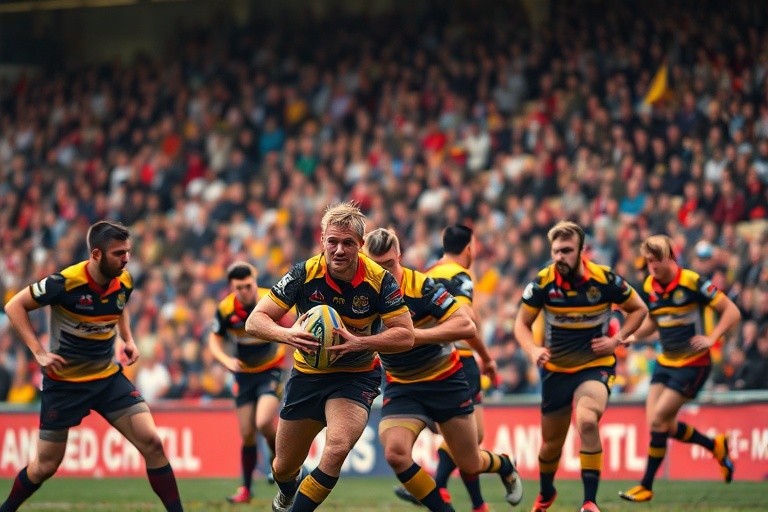
Hull Kingston Rovers: History, Community, and Modern Ambitions
Founded in 1882, Hull Kingston Rovers has long been one of rugby league’s most storied clubs. Based in East Hull, the Robins have carved out a unique identity in the sport, blending tradition with ambition. While often overshadowed by their city rivals, Hull FC, Rovers have built a reputation for resilience, community spirit, and a commitment to developing local talent.
The club’s name reflects its origins in the Kingston upon Hull parish of Drypool, a working-class area that shaped the club’s ethos. From early scratch matches on waste ground to competing in the top flight of English rugby league, Hull KR’s journey is one of perseverance. Today, the club plays its home games at the purpose-built Sewell Group Craven Park Stadium, a venue that stands as a symbol of modern progress while honoring its rich past.
The Club’s Founding and Early Years
Hull Kingston Rovers was established in 1882 by a group of young men from the Drypool area, many of whom worked in the local dockyards. The club initially played under rugby union rules before switching to rugby league in 1895 when the Northern Rugby Football Union broke away from the RFU. This move placed Hull KR at the forefront of the professional game’s early development.
In its early decades, the club competed in regional leagues and developed a fierce rivalry with Hull FC, a fixture that became known as the Hull Derby. These matches drew large crowds and fostered deep community pride. By the 1920s and 1930s, Hull KR had established itself as a consistent force in the Northern Rugby League, regularly finishing in the top half of the table and producing several England internationals.
Key Milestones in the Early Era
- 1895: Joined the newly formed Northern Rugby Football Union, transitioning to rugby league.
- 1921: Reached the Challenge Cup final, losing to local rivals Hull FC.
- 1930s: Regular top-half finishes in the league and strong cup runs.
- 1945: Won the Wartime Emergency League, a rare highlight during World War II.
The post-war era saw the club face financial and on-field challenges, but Rovers remained a community institution. The 1950s and 60s were marked by fluctuating fortunes, though the club continued to nurture talent from the local area, a tradition that remains central to its identity.
Modern Revival and Craven Park’s Role
The 21st century has brought significant change to Hull Kingston Rovers. After years in the lower leagues, the club experienced a resurgence in the late 2000s and early 2010s. In 2007, Rovers secured promotion to the Super League, returning to the top tier of English rugby league after a decade away. This achievement was the result of strong leadership under chairman Neil Hudgell and a clear strategy focused on youth development and financial prudence.
In 2013, Hull KR moved from the ageing Craven Park ground to a new stadium on the same site, rebranded as the Sewell Group Craven Park Stadium. The new 12,225-capacity venue features modern facilities while retaining the name and spirit of the old ground. The redevelopment was a turning point, enhancing the matchday experience and attracting larger crowds.
Under the guidance of head coaches such as Tim Sheens and Chris Chester, the club has aimed to build a competitive Super League side. While trophies have been elusive, Rovers have become known for their entertaining style of play and a strong academy system that has produced players like Ben Crooks and Kieran Gill, both of whom have gone on to represent England.
Notable Players and Coaches Since 2000
- Tim Sheens (2012–2015): Led the club back to Super League and implemented a long-term development plan.
- Chris Chester (2016–2020): A former Hull FC player who brought tactical innovation to the Robins.
- Ben Crooks: Academy graduate turned England international, a symbol of the club’s youth policy.
- Mitch Garbutt: One of the most consistent players in recent Super League seasons.
The club’s commitment to developing local talent has paid dividends. Hull KR’s academy is now considered one of the best in the country, regularly producing first-team players and attracting attention from larger clubs. This grassroots approach has strengthened the club’s connection with the community and ensured a steady pipeline of talent.
Community Engagement and Cultural Impact
Hull Kingston Rovers is more than just a sports team; it is a cornerstone of the East Hull community. The club runs numerous initiatives aimed at improving health, education, and social cohesion. Programs like “Rovers in the Community” target schools, youth clubs, and vulnerable groups, using rugby league as a tool for positive change.
The Robins’ mascot, Rob the Robin, and the club’s family-friendly matchdays have made Craven Park a welcoming venue for all ages. Season ticket sales have risen steadily, reflecting growing local pride. The club’s social media presence has also expanded, with behind-the-scenes content, player interviews, and community stories helping to build a broader fanbase.
Rugby league in Hull is deeply tied to working-class identity, and Hull KR embodies this ethos. The club’s anthem, “The Hull KR Song,” sung by fans before big games, is a testament to its cultural significance. Despite financial constraints compared to clubs with private ownership, Rovers have maintained a clear identity—one rooted in authenticity and community.
Community Programs Led by Hull KR
- Rugby League Cares: Partnerships with mental health and addiction support services.
- School Visits: Coaches deliver rugby sessions and anti-bullying workshops in local primary schools.
- Disability Rugby League: Inclusive sessions for children and adults with disabilities.
- Apprenticeship Scheme: Offers vocational training alongside rugby development.
The club’s efforts have not gone unnoticed. In 2020, Hull KR was named Community Club of the Year by the Rugby Football League, a recognition of its impact beyond the pitch. This commitment to social responsibility has helped the club secure funding and partnerships that support its long-term growth.
Challenges and Future Aspirations
Despite its progress, Hull Kingston Rovers faces persistent challenges. Financial constraints are a reality for clubs without wealthy benefactors. Super League’s competitive landscape, dominated by franchises like Wigan Warriors and Leeds Rhinos, makes consistent success difficult for smaller clubs. Moreover, the club has experienced relegations in recent years, including a drop to the Championship in 2021, highlighting the volatility of top-flight rugby league.
Yet, there are reasons for optimism. The club’s academy continues to thrive, with several young players breaking into the first team. The return to Super League in 2023, achieved under head coach Tony Smith, demonstrated the club’s capacity to bounce back. Off the field, Hull KR has secured sponsorship deals and community partnerships that provide stability.
The future of Hull Kingston Rovers hinges on balancing ambition with sustainability. The club’s leadership has emphasized controlled spending and smart recruitment, avoiding the pitfalls of overstretching financially. With a new generation of local talent emerging and a stadium that meets modern standards, the Robins are well-positioned to build a brighter future.
Strategic Goals for the Next Five Years
- Youth Development: Increase the number of academy players progressing to the first team.
- Financial Stability: Grow commercial revenue through sponsorships and matchday income.
- On-Field Progress: Aim for a consistent top-six finish in Super League by 2028.
- Community Expansion: Double participation in local rugby league programs.
For a club with such a rich history, Hull Kingston Rovers’ greatest strength may be its ability to adapt without losing its soul. In an era where many sporting institutions prioritize global expansion, Hull KR remains a proudly local club—one that reflects the character and resilience of East Hull. Its story is far from over, and for fans old and new, the Robins continue to represent hope, tradition, and the enduring power of community.
As the club moves forward, its challenge will be to turn potential into achievement, all while staying true to the values that have defined it for over 140 years. In that balance lies the future of Hull Kingston Rovers.