Mint, the latest streaming sensation, has quietly carved its niche in the crowded television landscape by offering a blend of psychological intrigue and relatable modern dilemmas. Premiering in late 2023, the series follows the life of Lila Mint, a young woman navigating the complexities of identity, ambition, and human connection in a hyper-connected world. Created by rising star Ava Chen and produced by Silver Screen Collective, Mint stands out for its sharp writing, compelling performances, and an aesthetic that feels both contemporary and timeless.
The show’s eight-episode first season unfolds like a carefully plotted puzzle, with each installment peeling back layers of Lila’s life—her career struggles, fractured relationships, and the eerie recurrence of a mysterious symbol tied to her past. Unlike many psychological dramas that lean heavily on shock value, Mint prioritizes subtlety, allowing tension to simmer beneath the surface of everyday conversations and quiet moments. Critics have praised its slow-burn approach, noting how it mirrors the way real-life anxieties often linger in the background of our routines.
The Premise: Identity in a Fragmented World
At its core, Mint explores the fragmentation of personal identity in an era dominated by digital personas and societal expectations. Lila Mint, played with nuanced depth by newcomer Priya Kapoor, is a marketing strategist in her late twenties who feels increasingly disconnected from her own life. The show opens with her waking up from a nightmare about a childhood memory she can’t quite recall—a recurring dream that becomes the thread tying her present to an unresolved past.
What makes Lila’s journey compelling is her refusal to be pigeonholed. She’s neither a victim nor a hero, but a flawed, evolving woman whose mistakes and missteps feel painfully human. The supporting cast reflects this realism: her best friend, a cynical but fiercely loyal journalist, and her aloof but caring brother each serve as mirrors to her own contradictions. Their interactions are raw, often laced with humor that cuts through the show’s heavier themes.
The series also introduces a mysterious online forum where users discuss cryptic symbols and shared dreams. This digital element isn’t just window dressing; it becomes a character in itself, blurring the line between reality and online echo chambers. By the season’s midpoint, the forum’s anonymous users start to feel like a collective unconscious, their posts eerily predicting Lila’s next move.
Visual Style and Atmosphere: A Minimalist Masterpiece
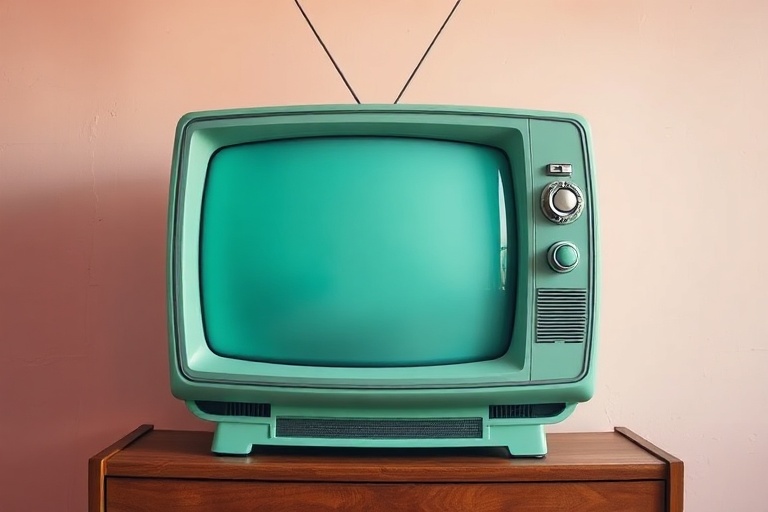
Mint’s visual identity is as deliberate as its narrative. Shot primarily in muted tones—beiges, soft grays, and occasional bursts of mint green—the show’s cinematography reinforces its themes of emotional detachment and hidden vitality. Director Leo Tran opted for static shots and tight close-ups, a choice that amplifies the sense of Lila being trapped in her own headspace. Even the cityscapes, bustling yet sterile, feel like extensions of her internal monologue.
The use of lighting is particularly noteworthy. Indoor scenes bathed in artificial light often contrast with outdoor moments drenched in natural, diffused sunlight—symbolizing Lila’s struggle to find authenticity amid artifice. The show’s title sequence, a hypnotic animation of shifting geometric shapes, has already inspired memes and fan theories, further cementing its place in pop culture.
Fashion also plays a subtle but significant role. Lila’s wardrobe evolves alongside her emotional state: early on, she’s dressed in corporate blacks and grays, but as she begins to unravel, her clothing becomes more eclectic, incorporating vintage pieces and unexpected colors. This visual shift mirrors her journey toward self-acceptance, though the show wisely avoids making it a neat resolution.
Critical Reception and Audience Divide
Reception to Mint has been polarizing, a fact that seems to energize rather than deter its creators. Critics at major outlets like The New Yorker and Vulture have hailed it as “a masterclass in restrained storytelling,” praising its refusal to provide easy answers. Others, however, have criticized its pacing, arguing that the slow reveal of the central mystery feels more meandering than deliberate.
The show’s online fandom is equally divided. On Reddit, threads dissect everything from the symbolism of recurring numbers to the real-world inspirations behind the online forum’s lore. Meanwhile, TikTok users have latched onto the show’s quieter moments, creating viral clips set to eerie ambient music. One particularly popular video juxtaposes Lila’s monologue about loneliness with clips of crowded city streets, garnering over 2 million views.
Despite the divide, Mint has undeniably sparked conversation about mental health representation on screen. Unlike traditional thrillers that treat psychological depth as secondary to plot, this series places emotional authenticity at its center. Fans have shared personal stories of relating to Lila’s experiences, from imposter syndrome to the pressure to curate a perfect online persona. This connection suggests that Mint’s greatest strength may lie not in its mystery, but in its humanity.
What’s Next for the Mint Universe?
With a second season already greenlit and set to premiere in 2025, the future of Mint looks as uncertain as its protagonist. Creator Ava Chen has hinted that the next installment will expand beyond Lila’s perspective, introducing new characters whose stories intersect with hers in unexpected ways. One confirmed addition is a spin-off centered on the online forum’s most enigmatic member, a user known only as “Echo.”
The show’s rising popularity has also caught the attention of brands and advertisers, though Chen has remained tight-lipped about potential partnerships. When asked about commercialization, she stated, “We want Mint to stay true to its roots. If we can inspire a conversation about digital well-being, that’s more valuable than any product placement.” This stance has earned her praise from mental health advocates, who see the show as a rare example of media that prioritizes substance over spectacle.
For now, fans are left to theorize about the season one finale, which ends on a deliberately ambiguous note. Was the mysterious symbol a metaphor for Lila’s fractured psyche? Or does it hint at something more supernatural? Chen has neither confirmed nor denied supernatural elements, stating only that “the real mystery is how we perceive ourselves.”
One thing is certain: Mint has carved out a space for itself in a television landscape often dominated by either escapism or shock value. By focusing on the quiet desperation and small victories of everyday life, it offers a refreshing alternative to the extremes of modern storytelling.
Whether it continues to captivate audiences may depend on how well it balances its central mystery with the emotional truths that made its first season resonate. If it succeeds, Mint could redefine what it means to be a psychological drama in the streaming age. If it stumbles, it will at least do so on its own terms.
Where to Watch and What to Watch Next
Mint is available exclusively on Dave’s Locker’s Entertainment Hub, where you can stream all eight episodes of season one. If you’re looking for similar shows that blend mystery with emotional depth, consider these titles:
- The OA – A surreal exploration of identity and connection
- Fleabag – Sharp, darkly comedic takes on modern womanhood
- The Sinner – Psychological crime drama with layered storytelling
- Sharp Objects – Southern Gothic mystery with deep character study
Each of these series, like Mint, proves that television’s most gripping stories often come from the messy, unfiltered corners of human experience.