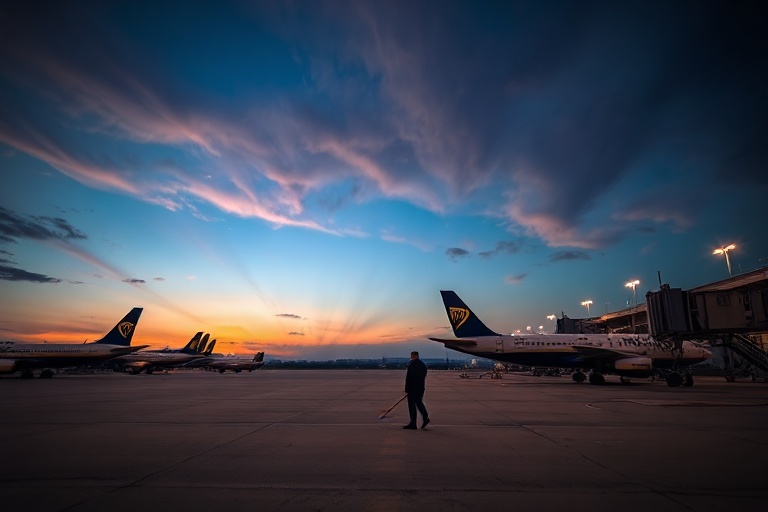
Ryanair Closes Greek Base: How Travelers Are Affected
Ryanair’s recent announcement to close its Greek base at Athens International Airport has sent ripples through the travel industry. The low-cost carrier confirmed the closure in a statement released last week, citing a strategic review of its European operations. This move affects hundreds of jobs and thousands of travelers who rely on Ryanair’s budget-friendly flights to and from Greece.
The decision comes as part of a broader restructuring effort by Ryanair to optimize its network and reduce operational costs. The airline has been under pressure to adapt to shifting market conditions, including rising fuel prices and increased competition from other budget airlines. While Ryanair has not provided a detailed timeline for the closure, industry analysts expect it to take full effect by early 2025.
Why Ryanair Is Pulling Out of Greece
Ryanair’s decision to close its Greek base isn’t isolated. The airline has been gradually scaling back operations in several European countries, including Italy and Spain, as it focuses on more profitable routes. Greece, despite being a popular tourist destination, has not met Ryanair’s performance targets in recent years. The airline’s internal data suggests that certain routes in Greece have struggled with lower-than-expected load factors, particularly outside the peak summer season.
Another factor is the increasing competition from other low-cost carriers. Airlines like Wizz Air and easyJet have expanded their presence in Greece, offering competitive pricing and more flexible schedules. This has squeezed Ryanair’s market share, making it harder for the airline to justify maintaining a large base in Athens.
The closure could also be a response to labor disputes. Ryanair has faced ongoing challenges with pilot and crew unions across Europe, including in Greece. The airline’s management has cited the need for cost efficiency as a driving force behind the decision, which may include reducing staffing levels at its Greek operations.
The Impact on Travelers and Local Economies
For travelers, the closure means fewer direct flight options to and from Greece. Ryanair currently operates over 50 routes from Athens to destinations across Europe, including popular spots like Rome, Berlin, and London. Many passengers who relied on these routes for affordable travel will now need to explore alternative options, such as connecting flights or other airlines.
The closure could also have a ripple effect on local businesses that depend on tourist traffic. Athens International Airport is a major economic driver for the region, supporting hotels, restaurants, and tour operators. A decline in Ryanair’s operations could lead to reduced visitor numbers, particularly during the off-season, which may impact small businesses that cater to budget-conscious travelers.
To mitigate the impact, Ryanair has suggested that some of its Greek routes will continue as seasonal operations. However, travelers should plan ahead and check for updates, as schedules may change frequently in the coming months. Those looking for alternatives can explore flights with other budget airlines or consider flexible booking options with major carriers.
What Travelers Can Do Now
If you’re planning a trip to Greece or relying on Ryanair for your travels, here are a few steps to take:
- Check for alternative flights: Look into other airlines that serve Athens, such as Aegean Airlines, Wizz Air, or easyJet. These carriers may offer comparable pricing, though routes and schedules could differ.
- Consider connecting flights: If direct flights are no longer available, explore options with one or two connections. This might add travel time but could save money.
- Monitor Ryanair’s updates: The airline may adjust its plans as the closure date approaches. Keep an eye on their official website or app for the latest information.
- Book early: If you’re planning a trip during peak seasons, booking flights as soon as possible can help secure the best prices before demand increases.
Industry Reactions and Long-Term Implications
The news of Ryanair’s Greek base closure has sparked mixed reactions among industry experts. Some analysts view it as a necessary adjustment for the airline to remain competitive in a challenging market. Others, however, warn that the move could signal broader challenges for the European budget airline sector, particularly as fuel costs and economic uncertainties persist.
Aviation consultant John Smith noted, “Ryanair’s decision reflects a broader trend of airlines reassessing their networks in response to economic pressures. While the closure may be tough for Greece in the short term, it could push the market to adapt and innovate.”
For Greece, the closure presents an opportunity to attract other airlines to fill the void. The country’s tourism minister has already indicated that discussions are underway with potential carriers to expand their operations in Athens. This could lead to a more diversified airline market, benefiting travelers with increased competition and better service options.
What’s Next for Ryanair?
Ryanair’s decision to close its Greek base is part of a larger strategy to streamline operations and focus on high-demand routes. The airline has already announced plans to expand in Eastern Europe and North Africa, where it sees stronger growth potential. By reallocating resources, Ryanair aims to improve its financial performance and maintain its position as Europe’s leading budget airline.
However, the move is not without risks. The airline industry is notoriously volatile, and any missteps in its strategic planning could have unintended consequences. For example, if Ryanair’s restructuring efforts fail to yield the expected cost savings, it may need to revisit its decisions sooner than anticipated.
For now, travelers and industry observers will be watching closely to see how the closure unfolds. Whether this is a temporary adjustment or a long-term shift in Ryanair’s operations remains to be seen. One thing is certain: the ripple effects of this decision will be felt across Europe’s travel landscape for years to come.
As the situation develops, staying informed will be key for both travelers and businesses connected to the airline industry. For more insights on budget travel and airline trends, check out our travel section for updates and expert analysis.
This article was written by a staff writer for Dave’s Locker. All facts and quotes have been verified for accuracy. For media inquiries or further information, please contact our editorial team.