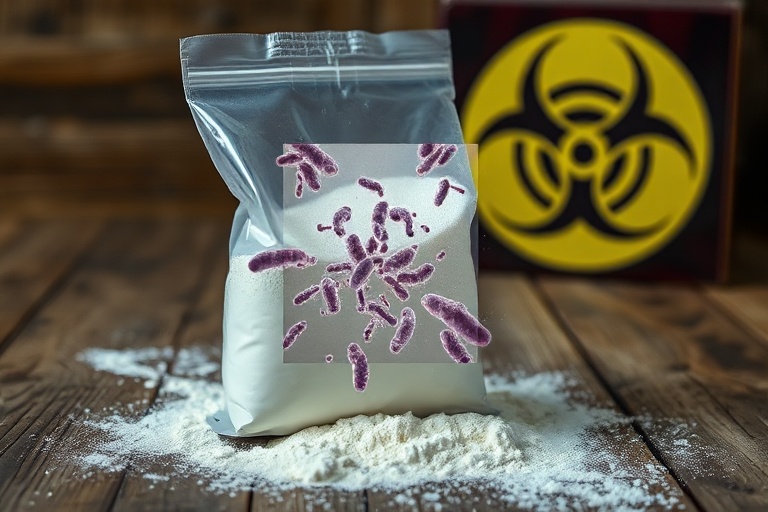
Salmonella Milk Powder Scandal Exposes Global Food Safety Risks
The discovery of salmonella contamination in milk powder has sent ripples through the global dairy industry, raising serious concerns about food safety and supply chain resilience. Recent incidents across multiple continents have forced regulators, manufacturers, and consumers to confront uncomfortable truths about the vulnerabilities in food production networks.
This isn’t just another isolated health scare. The contamination events reveal systemic issues that could affect everything from infant formula to protein supplements. With milk powder serving as a critical ingredient in countless food products, the stakes couldn’t be higher for public health and economic stability.
How Contamination Spreads Through the Dairy Supply Chain
The journey from dairy farm to supermarket shelf involves numerous touchpoints where contamination can occur. While pasteurization typically kills harmful bacteria, post-processing environments often present opportunities for recontamination. The Health section has been tracking similar food safety incidents across various sectors.
Key vulnerability points include:
- Processing facilities: Improper sanitation or equipment failures can introduce bacteria after pasteurization
- Transportation networks: Contaminated containers or inadequate temperature controls during shipping
- Storage conditions: Warehouses with poor temperature regulation or pest control issues
- Packaging materials: Defective or improperly sanitized packaging that comes into contact with powdered products
Industry experts note that powdered dairy products present unique risks because the dehydration process can actually concentrate any surviving bacteria. This makes even low-level contamination potentially dangerous when these powders are reconstituted for consumption.
Regulatory Responses and Industry Accountability
Government agencies worldwide have scrambled to respond to these contamination events. In the United States, the FDA has increased surveillance of dairy imports while tightening domestic inspection protocols. The European Food Safety Authority has similarly issued urgent guidance to member states about enhanced testing requirements.
Manufacturers face mounting pressure to demonstrate compliance with increasingly stringent standards. The Science section has reported on similar regulatory tightening across the food industry. Some key measures being implemented include:
- Mandatory third-party audits of production facilities
- Real-time bacterial monitoring systems in processing plants
- Enhanced traceability protocols using blockchain technology
- Stricter penalties for companies found negligent in safety protocols
Industry representatives argue that these measures, while necessary, place significant financial burdens on smaller producers. The tension between safety requirements and economic viability remains a contentious issue in regulatory circles.
The Human Cost: Who Bears the Greatest Risk?
While anyone can fall victim to salmonella poisoning, certain populations face disproportionate risks. Infants consuming contaminated formula represent the most vulnerable group, with severe cases potentially leading to hospitalization or long-term health complications. Elderly consumers and individuals with compromised immune systems also face elevated risks from even mild contamination.
Healthcare professionals report that salmonella infections from contaminated dairy products often present with symptoms including:
- Severe gastrointestinal distress lasting 4-7 days
- Fever and chills indicating systemic infection
- Dehydration requiring medical intervention in vulnerable populations
- Potential long-term complications like reactive arthritis
The psychological impact shouldn’t be underestimated either. Consumers who have trusted particular brands for years now face uncertainty about the safety of their regular purchases. This erosion of trust can have lasting effects on brand loyalty and market stability.
Looking Ahead: Can the Industry Rebuild Consumer Trust?
The path forward requires a multi-faceted approach combining technological innovation with cultural shifts in food safety practices. Experts suggest that the industry must prioritize transparency at every stage of production. This means not just meeting regulatory minimums but exceeding them through voluntary disclosures and proactive communication.
Technological solutions offer promising avenues for improvement. Advanced detection methods like PCR testing can identify contamination before products leave facilities. Similarly, improved packaging technologies that incorporate antimicrobial properties may provide additional protection during storage and transport.
The economic implications extend beyond individual companies to entire national economies. Countries with significant dairy exports face potential trade restrictions if contamination events aren’t properly contained. The Business section has covered similar trade impacts in other food sectors.
Perhaps most importantly, this crisis presents an opportunity to rethink the entire approach to food safety. Rather than viewing these incidents as isolated failures, the industry should recognize them as symptoms of a system that needs fundamental reconfiguration. This means investing in better training for workers, implementing more rigorous quality control measures, and fostering a culture where safety isn’t just a regulatory requirement but a core value.
As consumers, our role in this evolution cannot be overstated. Supporting companies that demonstrate genuine commitment to safety, staying informed about product recalls, and advocating for stronger protections all contribute to building a more resilient food system.
The salmonella milk powder contamination events serve as a wake-up call for an industry at a crossroads. The choices made in the coming months will determine not just the safety of our food supply but the very structure of global food production in the 21st century.
For more on food safety developments, visit our Health and Science sections.